
Essential Tips for First Time NASCAR Fans
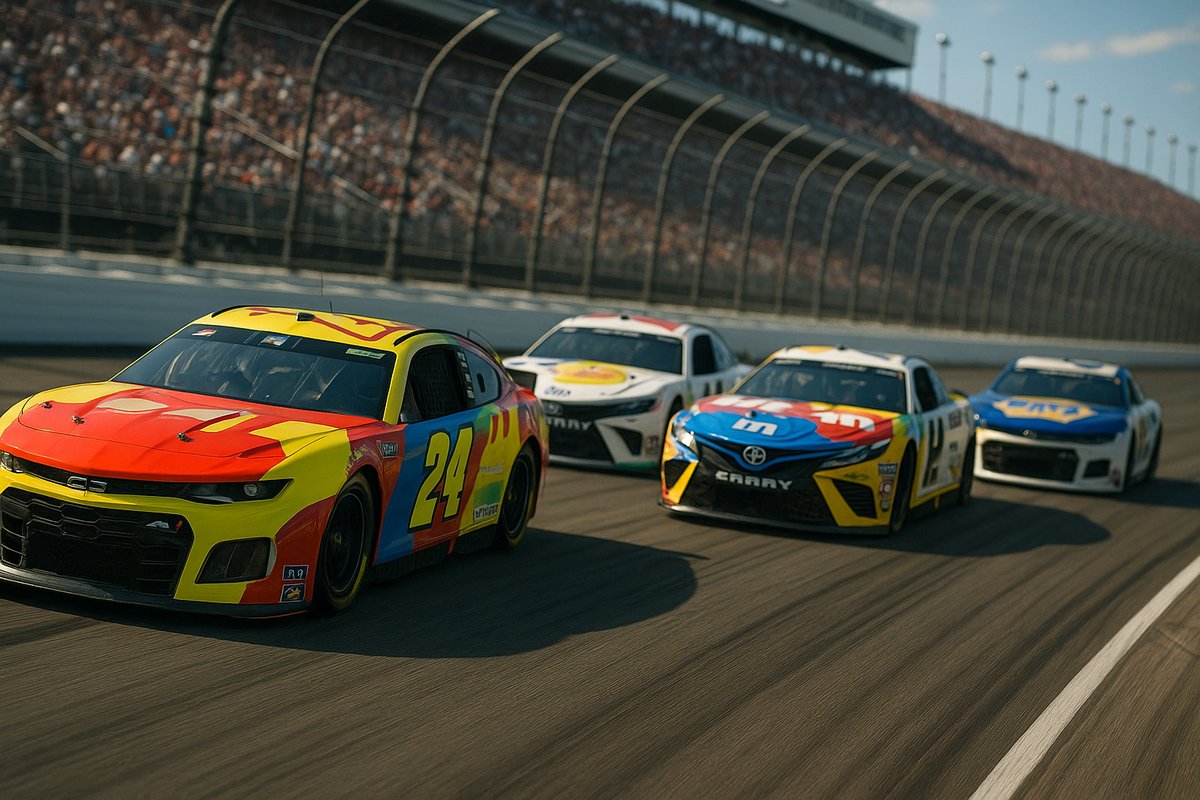
Growing up in Charlotte, NASCAR wasn’t a hobby — it was life, and my grandfather watched this track get built right here in our backyard. Attending your first NASCAR event can be an exhilarating experience, but without the right preparation, it might also feel overwhelming. These essential tips for first time NASCAR fans will help newcomers navigate the high-speed action of the Cup Series, understand race day logistics, and make the most of every lap from green flag to checkered flag.
Before heading to the track, first time NASCAR fans should grasp the core elements of the sport. NASCAR features three national touring series, but the NASCAR Cup Series stands as the premier division with 36 points-paying races each season. Races typically span 400 to 600 miles and are divided into three stages that award bonus points to the top ten finishers in each stage.
The modern playoff format includes 16 drivers who battle through three elimination rounds before the championship finale at Phoenix Raceway. Drivers like Kyle Larson, Denny Hamlin, and William Byron accumulate points based on finishing position and laps led. Familiarizing yourself with this system transforms random on-track battles into strategic storytelling. My grandfather always said the points chase is like following a family feud that lasts all season long.
Understanding the playoff structure becomes essential as the season progresses. The 16 drivers who qualify for the playoffs are determined by wins and points accumulated during the regular season. Once the playoffs begin in September, the field is gradually trimmed — first to 12 drivers after three races, then to 8 after three more races, and finally to the top 4 for the championship-deciding finale. This creates incredible drama and intensity as drivers fight tooth and nail to remain in contention. First-time fans attending a playoff race will witness racing at its absolute most competitive and thrilling.
Superspeedways such as Daytona and Talladega emphasize pack racing and drafting, while short tracks like Bristol and Martinsville reward aggressive door-to-door contact. Intermediate tracks including Charlotte and Kansas blend high speeds with handling precision. Studying track guides before your visit helps you anticipate where overtakes are most likely. I still get chills thinking about the roar at Talladega, where the draft can sling you forward like a slingshot.
Each track type demands different vehicle setups and driving strategies, which is why you’ll notice teams make substantial adjustments when traveling from one venue to the next. A car perfectly tuned for the flat, high-banked turns at Daytona will perform completely differently on the tight, flat surface of Bristol Motor Speedway. This variety keeps the sport fresh throughout the season and rewards teams with well-rounded engineering departments and versatile driver lineups.
Road courses like Sonoma and Road America add another dimension to the Cup Series schedule, featuring traditional left and right turns rather than the usual counterclockwise ovals. These races showcase different skills and produce some of the most unpredictable finishes of the year. Chase Elliott has become synonymous with road-course excellence, but watching underdogs score strong finishes on pavement road courses demonstrates just how nuanced the sport truly is.
Successful first time NASCAR fans treat race day like a full-day outdoor event. Arrive early for pre-race festivities that include driver introductions, the national anthem, and a flyover. Tailgating is a beloved tradition; many fans set up grills and games in the infield or parking lots hours before engines fire. Down in Charlotte we used to fire up the grill before the sun was even up, just like my daddy did.
Getting to the track early also gives you time to explore the infield and grandstand areas. Many tracks feature driver meet-and-greets, autograph sessions, and interactive displays where you can learn more about the sport. The Fan Zone experience at various tracks often includes simulators, merchandise vendors, and educational stations explaining pit crew roles and car aerodynamics. Take advantage of these opportunities — they’ll enrich your understanding of what goes into preparing a 200-mph racing machine.
Comfortable clothing, sunscreen, ear protection, and a small cooler are essentials. While most tracks allow clear bags, always check the specific venue policy. Binoculars let you follow pit stops and spot Cup Series stars up close, and a portable phone charger keeps you connected to live timing and scoring apps. A wide-brimmed hat and sunglasses are crucial for extended outdoor time, as the sun reflecting off the track surface intensifies its effects.
Ear protection deserves special emphasis — a V8 engine operating at maximum RPM produces over 120 decibels of sound. Even brief exposure without protection can damage hearing. Most tracks sell affordable foam earplugs at concession stands, but bringing your own ensures you have them when needed. Many seasoned fans wear custom-molded earplugs or noise-canceling headsets that allow them to hear conversations while still protecting their hearing.
Download the official NASCAR app for real-time updates on cautions, stage endings, and driver radio chatter. Study the track map in advance so you know where to find restrooms, concessions, and merchandise haulers featuring your favorite driver’s gear. The app’s pit-by-pit timing feature lets you see exactly how drivers are performing in real-time, which is invaluable for following strategy decisions and understanding why a driver might pit earlier or later than expected.
Once the race begins, focus on more than just the lead car. Watch for tire wear, fuel strategy, and how weather can dramatically change track conditions. Many first time NASCAR fans discover they enjoy following specific driver rivalries or manufacturer battles between Chevrolet, Ford, and Toyota teams. Growing up trackside, I learned quick that the real story unfolds in the strategy, not just the lead.
Pit strategy often determines race outcomes more than raw speed. A crew chief might call for an extra early pit stop to gain track position, or they might gamble and stay out longer to gain fuel mileage. These decisions create fascinating storylines that unfold over the course of the race. Watch how cautions yellow flags reset fuel strategies and create opportunities for underdogs to gain positions. The best NASCAR races feature multiple lead changes caused by different pit stop strategies playing out.
Keep an eye on drivers like Chase Elliott, known for his consistent road-course prowess, or Tyler Reddick, whose aggressive style often produces highlight-reel passes. Following pre-race press conferences and post-race interviews deepens your appreciation for the personalities behind the helmets. Driver social media accounts also provide behind-the-scenes content that helps fans connect with their favorite racers on a more personal level.
After the event, review detailed race results and stage points on NASCAR.com. Comparing your observations with official timing data sharpens your understanding of strategy and sets you up for informed discussions with fellow fans. The NASCAR.com website provides extensive post-race analysis, including pit stop times, fuel mileage efficiency, and pit crew performance metrics. Understanding these granular details transforms casual observation into genuine expertise.
The NASCAR Cup Series completed 36 races in the 2024 season across 25 different tracks. Average race speeds at superspeedways regularly exceed 180 mph. Each Cup Series team fields a 7-person pit crew that can change four tires and refuel in under 12 seconds. Over 2 million fans attend NASCAR events annually, making it one of America’s most popular spectator sports. The longest race on the schedule, the Coca-Cola 600 at Charlotte, lasts approximately four hours. That one always hits different when you’re from around here.
A single Cup Series team’s annual budget can exceed $20 million, with top teams spending considerably more. This investment covers engineering, aerodynamic development, driver salaries, pit crew training, and transportation. Understanding the scope of these operations helps fans appreciate the incredible feats of engineering and athleticism witnessed each Sunday. Every pit stop you watch represents months of practice and coordination among specialists dedicated to gaining mere fractions of a second.
Many first-time fans also benefit from understanding the role of team ownership and sponsorship. NASCAR is fundamentally a business, and corporate partnerships fuel the sport. Driver helmet designs often honor sponsors, and car liveries change throughout the season based on sponsorship agreements. This ecosystem supports hundreds of jobs and keeps racing competitive at the highest level.
With these essential tips for first time NASCAR fans, you are now equipped to enjoy the sights, sounds, and strategy of Cup Series racing. Arrive prepared, stay engaged with live data, and embrace the passionate community that surrounds every event. Your first NASCAR race will quickly turn into a tradition you look forward to year after year.