
How to Master NASCAR Fantasy League Strategies
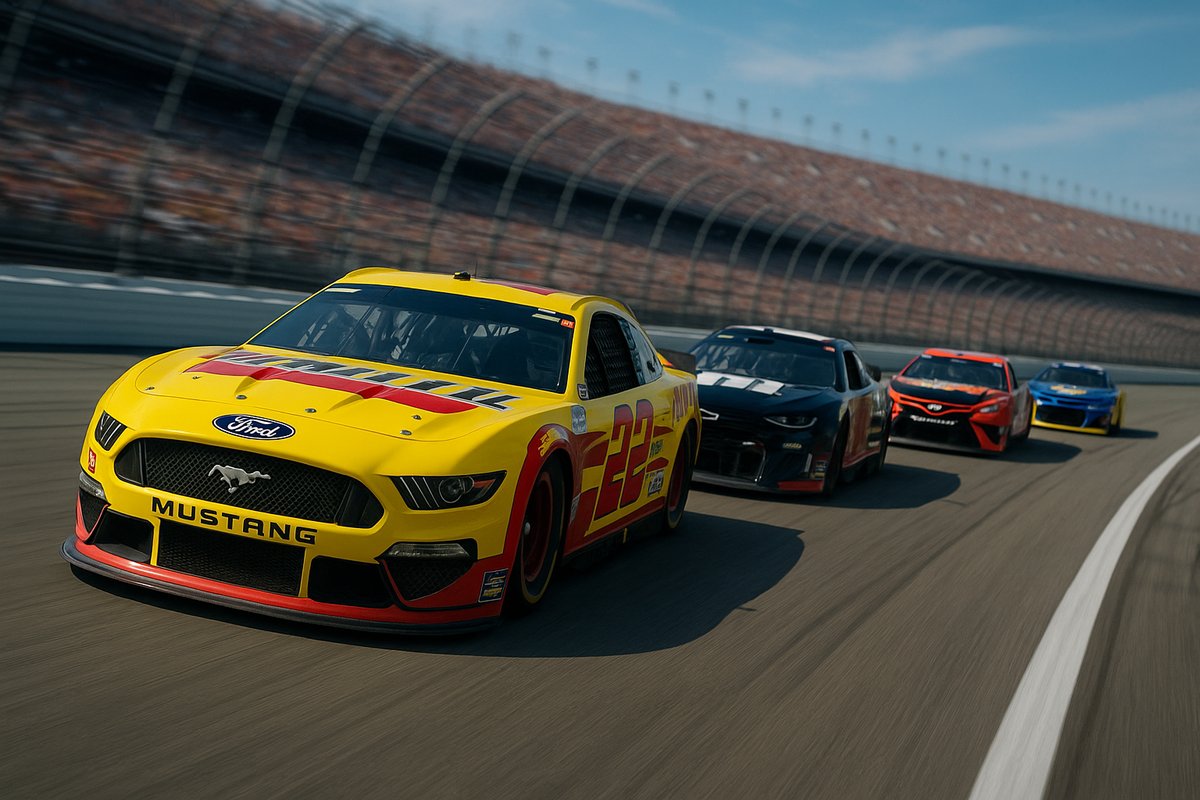
Growing up in Charlotte, NASCAR wasn’t a hobby — it was life, with the roar of engines echoing from the trackside where my daddy and granddaddy taught me everything from pack racing at Daytona to the high banks at Talladega. My grandfather watched this track get built and always said the real magic happens when you mix deep knowledge of these Cup Series drivers with smart strategy. That’s why mastering NASCAR Fantasy League Strategies matters if you want to run the table in your league, blending driver profiles, recent results, and track guides to build a winner.
Before you chase those big points, get a handle on the league formats out there. Most setups run season-long or weekly head-to-head, and each one calls for its own approach. Season-long rewards steady hands like Kyle Larson and Denny Hamlin, while weekly battles light up on superspeedways such as Daytona International Speedway where one explosive run can flip the standings. Dig into past race results to spot patterns — drivers strong on those big tracks rack up stage wins and laps led. Throw in solid track guides to factor in weather or tire wear that can change everything in a hurry.
Understanding your league’s scoring system is absolutely critical before draft day rolls around. Some leagues reward finishing position heavily, while others give equal weight to stage points, laps led, and bonus categories like fastest lap or pole position. Take time to calculate the actual point value of different outcomes — if stage wins are worth more in your league, you’ll want to target drivers known for strong starts and mid-race surges rather than just those who dominate finishes. This single adjustment can swing your season by dozens of points and separate championship contenders from the middle of the pack.
Building a balanced roster starts with scouting reliable Cup Series driver profiles. Pair high-upside guys like Tyler Reddick with veterans such as Martin Truex Jr. to keep risk in check. Check qualifying data and practice speeds every weekend to tweak your lineup right before the green flag. Don’t overlook the importance of fuel strategy either — drivers who manage fuel consumption well can stretch their pit stop intervals, potentially gaining laps on competitors and picking up bonus points for laps led that might otherwise go to rivals.
The draft itself deserves strategic consideration beyond just picking the fastest drivers. Early in the season, prioritize consistency and recent form, but as you move into the latter rounds, grab drivers with favorable schedules coming up. A driver with moderate recent performance facing three straight races at tracks where they historically excel might outperform a recent hot-hand who’s about to hit a string of unfavorable venues. This forward-looking approach separates casual fantasy players from serious competitors who think two steps ahead.
Analyzing consistency metrics is where the real edge comes from. Look past raw speed at average finishes, stage points, and playoff status. Recent results at Charlotte Motor Speedway show how drivers handle those intermediate tracks where strategy and handling decide who takes home the points. Keep an eye on NASCAR racing news for injuries or team shakeups that might boost a driver coming back hungry. Pay attention to which drivers perform well in both clean air and dirty air situations — this matters tremendously in pack racing scenarios where track position can make or break your weekly score.
The relationship between qualifying position and fantasy points shouldn’t be overlooked either. Drivers who consistently qualify up front have better track position throughout the race, translating to more laps led opportunities and better finishing positions. However, qualifying doesn’t always correlate with fantasy success, especially on tracks where overtaking is possible. Study which drivers excel at moving through the field versus those who depend on starting position — this knowledge helps you evaluate whether a poor qualifying session is a red flag or a potential opportunity for a great comeback run.
Don’t sleep on emerging talents either. Watch rising stars like Christopher Bell for breakout runs, especially on road courses such as Watkins Glen where their aggressive style can rack up bonus points. Pair that with historical results to spot when a young gun might surprise everybody. Younger drivers often bring fresh energy and equipment improvements that can produce unexpected strong performances. However, they can also be inconsistent, so pair these high-ceiling picks with proven performers to balance your risk exposure throughout your roster.
Team dynamics play a larger role in fantasy success than many casual players realize. Drivers on top teams with strong pit crews, crew chiefs with winning track records, and abundant resources typically outperform comparable talent on struggling teams. When evaluating drivers, spend time understanding their organizational structure — a good driver on a championship-level team often beats a great driver on a mediocre team over a full season. Track how teams perform across different track types, as some organizations have clear strengths at superspeedways while others dominate on short tracks or road courses.
Track guides give you the advantage at places like Talladega, where drafting and restrictor plates reward pack-racing skill, or short tracks like Bristol that demand precise handling. Adjust your lineup each week using these guides plus fresh race results to grab stage bonuses and position gains. Weather forecasts deserve careful attention too — rain, wind, and temperature can dramatically affect how cars perform and which driver tendencies will matter most. A driver who struggles in hot conditions faces a disadvantage at summer races in the Southwest, while those who handle cooler temperatures well shine during spring and fall events.
Stage strategy represents a frequently underutilized edge in fantasy leagues. Drivers who excel at winning stage points create multiple scoring opportunities throughout a single race rather than betting everything on a final-lap finish. Study which drivers consistently finish strong in stages one and two — this consistency can pad your weekly scores significantly. Some drivers are known for aggressive stage-ending runs that net bonus points, while others prefer conservative fuel and tire management that positions them better for stage three and the final finish.
As playoffs roll in, shift toward drivers who shine on championship tracks — history shows consistent performers at Phoenix Raceway often lock down fantasy titles. Mix real-time NASCAR news with track-specific intel and you’ve got a real shot. The final ten races of the season demand a different approach than regular-season weeks. Target drivers with playoff experience who’ve performed well under pressure and on the specific tracks hosting playoff races. Contract negotiations and team changes between regular season and playoffs can shuffle the deck significantly, so stay plugged into official NASCAR announcements.
Here are the key numbers that back it all up: Drivers averaging top-10 finishes at intermediate tracks add 15-20% more fantasy points per race on average. Superspeedway events like Daytona create the biggest swings, with up to 40% of rosters changing week to week. Road course specialists beat expectations by 25% in points during those races. Playoff drivers grab stage wins 35% more often than the rest across the final ten events. And steady use of track guides lifts your league standing by an average of 12 positions in season-long formats.
Managing your waiver wire actively between races separates winners from also-rans in most formats. Don’t just set lineups and forget them — monitor driver injuries, team announcements, and unexpected performance swings. A backup driver getting thrust into a Cup ride unexpectedly might offer incredible value if their team is competitive. Similarly, veteran drivers returning from injury might post strong early performances as they shake off rust, creating trade opportunities with league mates who overreact to recent inconsistency.
By pulling together Cup Series driver profiles, race result breakdowns, and targeted track guides, you can push your NASCAR Fantasy League Strategies all the way to a championship. Stay locked into the latest NASCAR racing news so you can adjust on the fly and keep that roster competitive from Charlotte to Daytona and beyond. With steady research and quick moves, fantasy glory is right there for the taking if you’re willing to put in the work.
Before setting your fantasy lineup, check the current nascar starting lineup so you know exactly where each driver starts.