
Understanding NASCAR Pit Stop Procedures
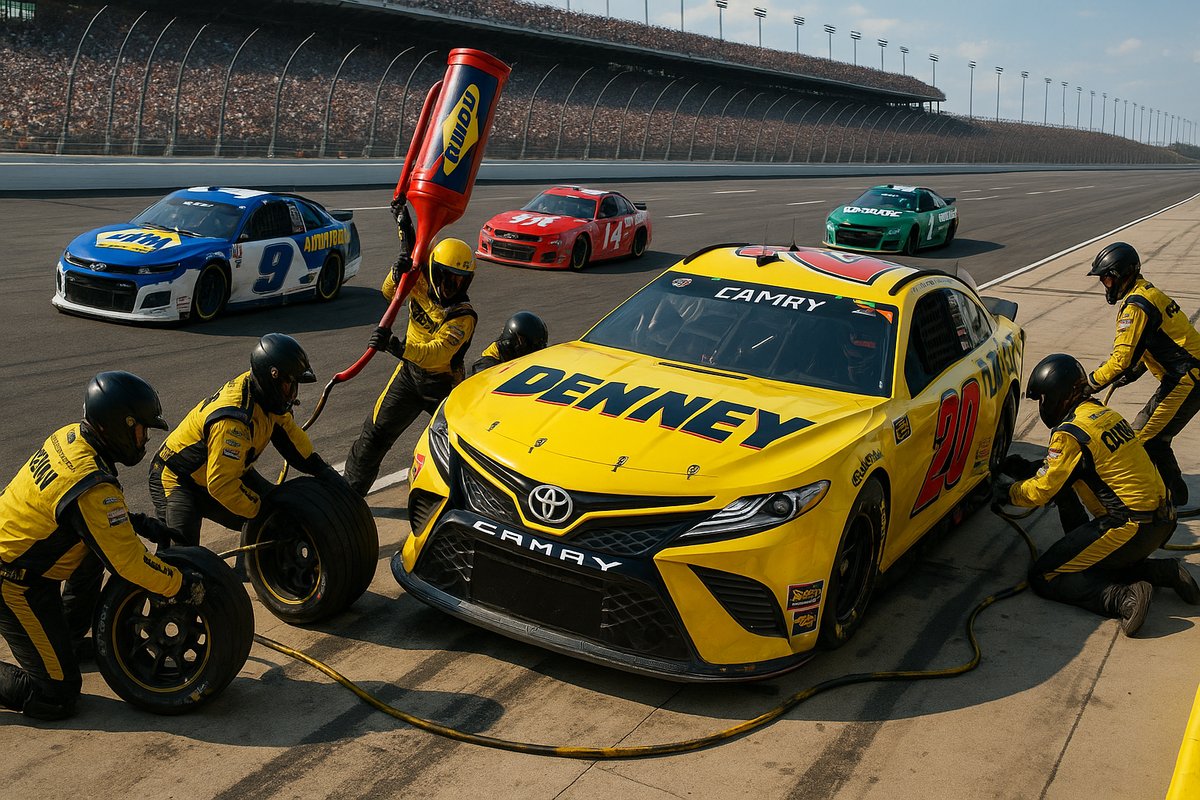
From the pit lane perspective, mastering NASCAR pit stop procedures is less about raw speed and more about protecting multi-million-dollar sponsor investments while maximizing points and track position in the Cup Series. A flawless stop can deliver the kind of visibility that keeps primary partners happy, whereas a costly mistake ripples straight through championship odds and team budgets alike.
NASCAR pit stop procedures begin the moment a driver signals for entry into pit road, typically under caution or during green-flag stops. Crew members must adhere to strict NASCAR rules governing speed limits on pit road, usually 35 to 55 mph depending on the track. The process starts with the car stopping precisely in its designated pit box, where the jackman lifts the vehicle to allow tire changes. Fuel is added simultaneously through a specialized can that holds up to 18 gallons, ensuring the car returns to competition with minimal time loss. These procedures are practiced relentlessly by teams to shave off every possible tenth of a second.
During a standard NASCAR pit stop in the Cup Series, four tires are changed using pneumatic wrenches that loosen and tighten lug nuts in seconds. The rear tires are often the priority due to wear patterns on tracks like Charlotte or Talladega. Communication between the driver and crew chief via radio is vital, as adjustments to tire pressure or wedge settings can be made on the fly. Understanding these NASCAR pit stop procedures reveals why teams invest heavily in simulation training and equipment upgrades.
What teams don’t tell fans is how much sponsor funding flows into those training simulators and specialized tools; the same logos that appear on the car also underwrite the hydraulic lifts and fire-retardant gear that keep stops safe and repeatable.
Each NASCAR pit crew consists of highly trained athletes who execute precise tasks under pressure. The tire changers, typically two per side, handle the front and rear wheels, while the jackman manages the hydraulic lift that raises the car in under two seconds. Fuelers carry heavy cans weighing over 70 pounds when full, and the catch-can man prevents overflow during refueling. In Cup Series events, these roles directly impact race results, as seen in dramatic comebacks by drivers like Kyle Larson at road courses where efficient stops gained track position.
Safety is paramount in NASCAR pit stop procedures. Crew members wear fire-retardant suits, helmets, and gloves to protect against potential hazards like fuel spills or loose lug nuts. Over-the-wall violations can result in penalties that hurt a driver’s championship hopes. Teams analyze video footage post-race to refine techniques, contributing to evolving strategies that define modern NASCAR racing news cycles.
Pit strategy in NASCAR involves calculating fuel mileage, tire wear, and track conditions to decide when to stop. At superspeedways like Daytona, two-tire stops might be favored to gain positions quickly, while short tracks demand four-tire changes for optimal handling. Understanding NASCAR pit stop procedures helps explain why some Cup Series drivers excel at managing these decisions, turning potential setbacks into advantages on race day. From the pit lane perspective, those calls are never purely sporting—they weigh TV time, sponsor activation windows, and the long-term cost of a lost position in the standings.
Timing is everything, with elite teams completing stops in 11 to 13 seconds. Green-flag stops require precise coordination to avoid traffic, and weather can force adjustments at tracks like Watkins Glen. Data analytics now play a larger role, allowing crew chiefs to predict when competitors will pit and optimize their own NASCAR pit stop procedures accordingly. This strategic depth adds excitement to race results and driver profiles throughout the season.
The fastest recorded NASCAR pit stop in Cup Series history stands at 8.9 seconds for a four-tire change and fuel, achieved by Hendrick Motorsports crews. Typical pit road speed limits vary by track, with 35 mph common at road courses to ensure safety during NASCAR pit stop procedures. Cup Series teams perform an average of 25 to 30 pit stops per race, depending on fuel strategy and cautions. Over-the-wall penalties for improper NASCAR pit stop procedures can add 5 to 15 seconds or more to a driver’s total time. Tire changers in modern crews can swap all four wheels in under 4 seconds combined during practice sessions. Fuel cans hold 18 gallons and are designed for rapid dispensing to minimize time lost in the pits. Championship contenders often gain or lose 50 or more positions through superior or faulty pit strategies across a season. Indianapolis Motor Speedway has hosted numerous record-setting pit stops due to its long pit lane configuration.
Mastering the nuances of NASCAR pit stop procedures separates championship teams from the rest in the competitive Cup Series landscape. From the fundamentals and crew roles to advanced strategies tailored for specific tracks, these procedures shape race results and elevate driver profiles season after season—while quietly protecting the business interests that keep the entire operation on the track.