
Chase Elliott Rise Through NASCAR Ranks
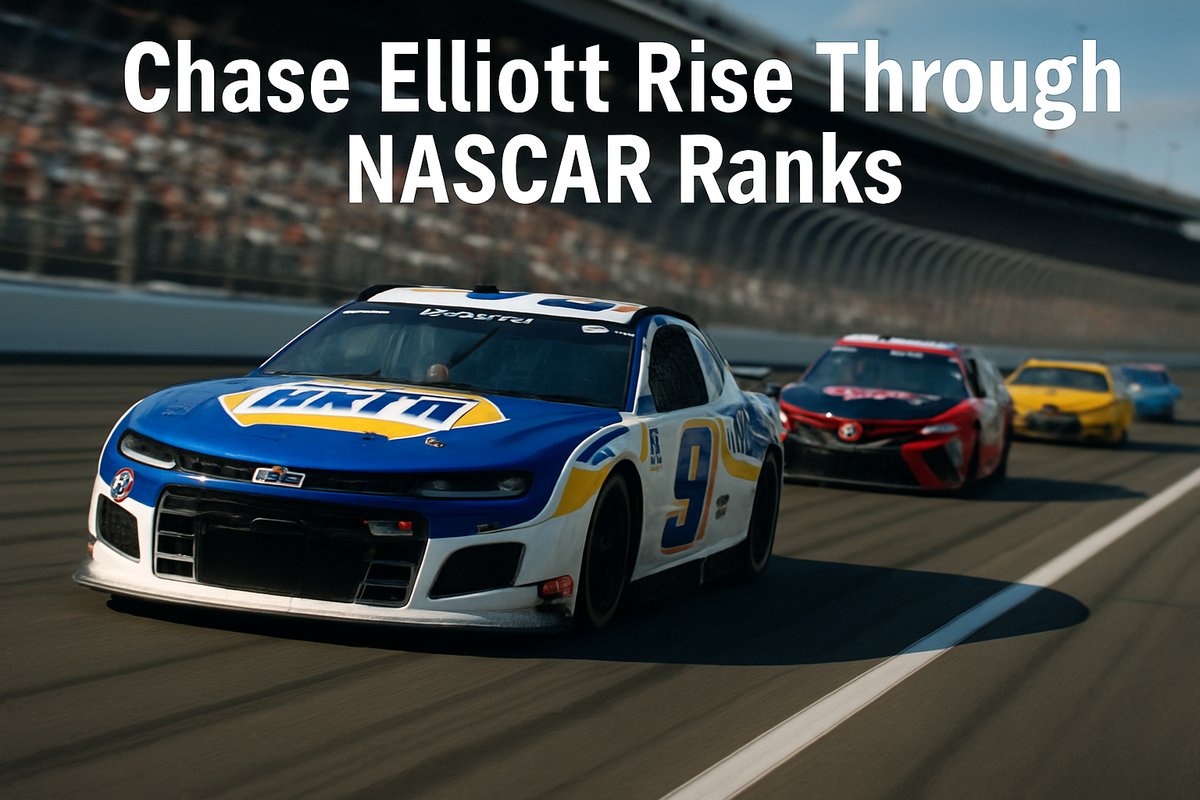
Growing up in Charlotte, NASCAR wasn’t a hobby—it was life, the way the hum of engines on Friday nights at the old dirt tracks just outside town set the rhythm for everything else. My grandfather watched this sport get built from the ground up, and he’d tell stories about Dawsonville boys like Bill Elliott turning heads at Talladega and Daytona long before most folks had cable TV. That’s the same bloodline we’re seeing play out with his boy Chase, a story that still gives me chills every time I think about how one kid from Georgia short tracks became a Cup Series champion with Hendrick Motorsports.
Chase Elliott came into this world on November 28, 1995, in Dawsonville, Georgia, right in the heart of stock car country. With his daddy’s 1988 championship and 44 Cup wins casting that long shadow, he started early in go-karts and late models across the Southeast, showing that smooth, smart driving style that sets the great ones apart. By his mid-teens he’d already stacked up track titles in Georgia and caught the eye of the big scouts. Those ARCA and NASCAR K&N Pro Series East runs gave him the kind of seat time that can’t be taught, building the discipline and car-setup know-how he’d carry all the way to the top.
The foundation Bill Elliott built wasn’t just about trophy cases and wins—it was about teaching a young Chase how to read a racetrack, how to manage tires over a long run, and how to stay mentally sharp when the pressure’s at its peak. Bill’s no-nonsense approach to racing mixed with genuine humility filtered down, shaping how Chase approaches everything from media obligations to sponsor events. That combination of bloodline knowledge and personal work ethic became the secret sauce that separated Chase from other talented kids coming up through the ranks.
His big leap came in 2014 when he rolled into the Xfinity Series with JR Motorsports in the No. 9 Chevrolet. At just 18 he claimed the championship, the youngest ever, with five wins—including that memorable Texas Motor Speedway triumph—and 26 top-10s. Battling veterans like Regan Smith and Ty Dillon week after week, he showed racecraft way beyond his years. The next season brought more victories before the move upstairs, and you could feel the sport shifting as his fan base grew through that easygoing personality and genuine love for the fans.
What made that 2014 Xfinity season particularly impressive wasn’t just the raw statistics—it was how Chase managed the mental game at such a young age. The pressure of living up to his father’s legacy could’ve crushed a lesser driver, but instead he used it as fuel. He learned to adapt setups mid-race, to communicate effectively with his crew chief, and to handle the grind of a full 33-race schedule without burning out. Those 26 top-10 finishes showed consistency that scouts and team owners recognize as a hallmark of future Cup Series success.
Rivalries heated up fast, especially with Kyle Larson and Austin Dillon, but Chase’s calculated aggression in tight traffic served him well when the pressure cranked up. Sponsors lined up because they saw a driver who could connect with folks far beyond the traditional tracks. His social media presence and approachable demeanor opened doors that pure speed alone couldn’t unlock. Companies wanted to associate with a driver who could represent their brands authentically, someone who treated fans and media partners with genuine respect rather than obligatory indifference.
Full-time Cup racing started in 2016 at Hendrick, taking over the No. 24 Chevy that Jeff Gordon made famous. Strong qualifying runs and a runner-up at Michigan showed promise right away. The weight of that particular number—24—can’t be understated in NASCAR circles. Gordon piloted it to championships, iconic moments, and became perhaps the most recognizable driver of the late 1990s and 2000s. For Chase to step into that ride fresh out of his Xfinity days meant immediate expectations and intense scrutiny. Early consistency in qualifying proved he had the raw speed, but rookie-year results are always a mixed bag in the Cup Series.
The first win finally arrived in 2018 at Watkins Glen, where he held off the field on the road course like he’d been doing it forever. Everything built toward that magical 2020 championship, even with the COVID-shortened schedule. Multiple wins and a clutch title clinch at Phoenix proved he belonged among the elites, and he’s kept adding victories at places like Charlotte Motor Speedway and Dover while staying in the top 10 in points most years. That championship run came during unprecedented times, yet Chase delivered when it mattered most, earning the respect of competitors who’d spent years doubting whether he was the real deal or just a fortunate kid with connections.
The 2020 Cup championship marked the culmination of a seven-year climb that saw Chase absorb lessons from setbacks, adapt to the Cup Series’s unique demands, and finally execute at the highest level when the opportunity presented itself. He secured the title with 3 wins, 16 top-5 finishes, and steady points accumulation—the formula that wins championships. That October evening at Phoenix symbolized something deeper than just another trophy for the Elliott family; it proved Chase had forged his own identity as a racer, that he wasn’t merely riding his father’s coattails but building his own legacy.
Over 20 Cup wins through 2024, plenty of them on road courses, prove his versatility, and those All-Star Race fan-vote records show how the people love him. Road course racing has become Chase’s signature calling card, a specialty where he regularly outperforms the field. His smooth throttle control and patient approach to setup adjustments give him advantages at Watkins Glen, Charlotte Roval, and Las Vegas that other drivers struggle to match. This expertise has made him invaluable to Hendrick Motorsports, a team always looking to maximize wins and playoff positioning through driver strengths.
He started professionally at 15 in ARCA, worked his way through every developmental rung, and since 2021 has driven the No. 9 Chevrolet for Hendrick—carrying on a lineage that still makes old-timers like me nod in approval. The move to the No. 9, previously driven by legends of the Hendrick organization, reinforced management’s faith in Chase as a long-term franchise centerpiece. It signaled a commitment to building around him for sustained success, not just chasing quick wins or quarterly performance metrics.
From those Georgia roots to hoisting the Cup trophy, Chase Elliott’s path is proof that family legacy plus pure grit can win in this game. His journey reminds younger drivers that shortcuts don’t exist in this sport—that patience, consistent improvement, and genuine respect for the craft matter more than natural talent alone. The Elliott name carries weight in Dawsonville and across the racing world, but Chase has made sure his own accomplishments stand on their own merits.
It stands as a reminder that the sport keeps moving forward when young drivers respect where it came from. Whether he’s battling at Daytona, surviving Talladega, or carving through the field at Charlotte, this kid keeps delivering the kind of racing that makes you proud to be a fan. In an era where driver changes come fast and loyalty seems quaint, Chase Elliott represents something special—a driver committed to one organization, developing relationships with crew members over years, and continually pushing to add to his resume. That’s the kind of stability and dedication that builds dynasties and creates the memorable moments fans remember decades later.