
Talladega Superspeedway Safety Features Explained
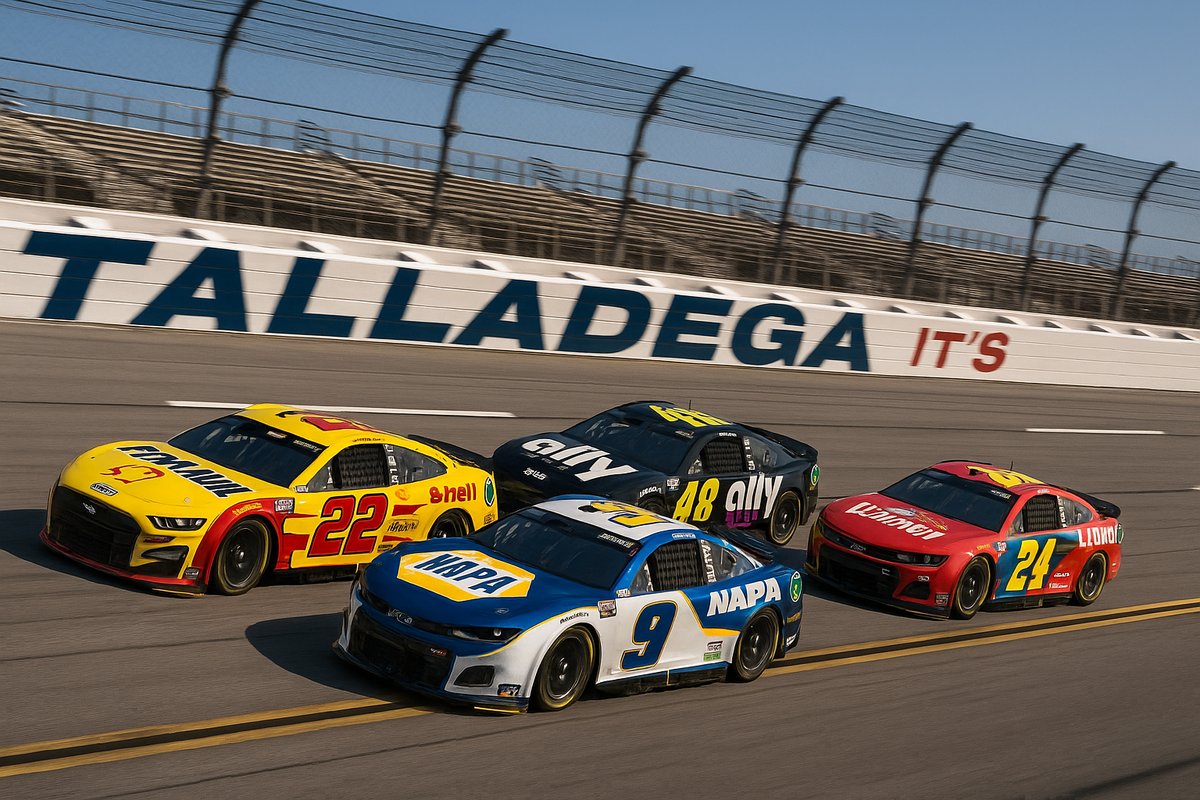
Talladega Superspeedway continues to deliver the kind of high-stakes superspeedway racing that draws massive sponsorship dollars while demanding rigorous safety protocols to protect everyone from drivers to the grandstand crowd. At 2.66 miles with average speeds topping 200 mph, the Alabama oval has layered protections that keep the spectacle viable for teams, sponsors, and fans alike.
From the pit lane perspective, the evolution of safety at Talladega reflects how NASCAR and track operators responded to early high-speed risks without compromising the pack-racing drama sponsors pay to associate with their brands. Opened in 1969, the track started with basic fencing and 33-degree banking. Decades of refinement after notable incidents turned it into a model for superspeedway operations. Modern additions such as energy-absorbing walls, aerodynamic rules, and real-time monitoring now limit crash severity while preserving the side-by-side action that drives viewership and partner value.
What teams don’t tell fans is that restrictor plates introduced in the 1970s and 1980s weren’t just about safety; they shaped entire race strategies by forcing tighter drafting packs that sponsors love for the on-track excitement. Reinforced roll cages, widened runoff zones, and tire barriers along the frontstretch helped absorb impact energy before it reached spectator areas, allowing teams to focus resources on setup rather than constant damage repair.
Advanced infrastructure like the SAFER barriers installed around the full oval plays directly into sponsor dynamics. These foam-filled steel tubes extend collision time and cut G-forces, reducing the chance of high-profile incidents that could spook corporate partners. Catch fences now exceed 20 feet, with energy-dissipating attenuators at key zones. Lighting upgrades and drainage improvements support night and wet events, while the 4,000-acre site provides generous runoff that keeps cars from re-entering traffic. Ongoing asphalt work maintains grip consistency, a detail crew chiefs monitor closely when planning fuel and tire strategy.
The engineering behind SAFER barriers deserves deeper examination for fans wanting to understand modern track design. Developed through partnerships between NASCAR, IndyCar, and institutions like the University of Nebraska, these barriers work by absorbing collision energy gradually rather than stopping a vehicle instantly. When a race car hits a SAFER barrier at speed, the foam-filled steel structure compresses, spreading the impact over a longer distance and time. This dramatically reduces the deceleration forces—and thus the G-forces—that a driver experiences. Data shows that properly installed SAFER barriers can reduce peak acceleration forces by up to 50 percent compared to traditional concrete walls. At Talladega, more than 4.5 miles of this barrier system encircles the track, making it one of the most comprehensively protected venues in motorsports.
Current rules on tapered spacers and spoiler angles keep closing speeds in check and work with the Next Gen platform to favor controlled racing over risky tandems. Real-time telemetry gives officials early warning tools that protect both the field and the multimillion-dollar marketing campaigns tied to these events. The telemetry systems continuously monitor vehicle speed, brake temperatures, engine parameters, and impact forces. When unusual patterns emerge—like a driver braking significantly harder than normal or multiple cars bunching in an unsafe way—officials can make informed decisions about cautions or adjustments before situations escalate into dangerous incidents.
Vehicle and driver equipment has become a business asset in its own right. Six-point harnesses, HANS devices, fire-suppression systems, high-strength chassis tubing, and layered fire suits with advanced helmets keep talent on track longer. That reliability matters to sponsors who need consistent exposure across the season. Modern NASCAR helmets undergo rigorous testing and meet standards set by organizations like Snell Memorial Foundation. Drivers also wear specialized suits made of Nomex or similar fire-resistant materials, often layered for multiple protection levels. The HANS (Head And Neck Support) device, mandatory since 2005, has proven particularly effective at reducing basilar skull fractures and other head and neck injuries that plagued earlier decades of racing.
Talladega’s catch fencing represents another critical layer of protection for spectators. The fencing exceeds 21 feet in height at key locations and is specifically engineered to capture debris or loose vehicles before they leave the racing surface. Modern catch fencing uses a cable-and-net system rather than simple chain-link, allowing it to flex and absorb impact energy rather than creating a rigid barrier that could cause vehicles to deflect unpredictably. In the rare event that a vehicle breaches the fencing, energy-attenuating systems and additional run-off areas provide secondary containment zones.
Emergency response infrastructure at Talladega sets the standard for the industry. The track maintains a full-time emergency medical team with trauma specialists positioned at multiple locations around the circuit. Specialized response vehicles can reach any point on the 2.66-mile oval in under 60 seconds. The facility operates a helipad and maintains coordination with regional hospitals for rapid transport when necessary. Beyond physical infrastructure, the track conducts over 50 safety drills annually, ensuring that all personnel—from medical teams to safety crew to security—practice response protocols regularly. This preparation translates directly to faster, more effective care when genuine emergencies occur.
Tire barriers positioned strategically around the track provide additional impact absorption, particularly in turn-exit zones where cars are accelerating and side-by-side contact is most common. These barriers are stacked and positioned to compress gradually when impacted, similar in principle to how SAFER barriers work but on a different scale. Pit lane safety has also evolved significantly, with specific speed limits, controlled entry and exit procedures, and dedicated safety personnel monitoring both driver and crew movements.
Post-incident reviews feed back into rule tweaks that keep the venue ahead of emerging risks. When crashes occur, NASCAR technical teams examine telemetry data, video footage, and physical evidence to understand causation. These findings inform adjustments to everything from aerodynamic rules to track-specific procedures. This data-driven approach means that lessons learned from one incident prevent similar situations at other tracks or in future races.
The 4,000-acre facility surrounding the racing surface serves a safety purpose beyond just spectator seating. The generous run-off areas mean that even a driver who loses control and exits the racing groove has significant distance to decelerate before reaching barriers or spectator areas. This design principle applies to all turns, with particularly wide run-off zones at the high-speed tri-oval section where accidents have historically been most severe.
Key facts underscore the return on safety investment: more than 4.5 miles of SAFER barrier, 21-foot catch fencing rated for 200 mph impacts, zero Cup Series driver fatalities at the track since 2001, Next Gen roof hatches and side protection, over 200,000 fans shielded by expanded barriers, and more than 50 annual safety drills.
Talladega demonstrates how sustained engineering, regulation, and response investment sustain the business of NASCAR without dulling the excitement sponsors and teams rely on when the green flag drops. The track’s safety record isn’t the result of a single innovation but rather a comprehensive system where structural engineering, vehicle regulations, emergency protocols, and continuous improvement all work together seamlessly. For fans attending races or watching from home, these safety systems operate largely invisibly—the way racing should be. Yet they represent billions of dollars in cumulative investment and decades of collective learning from the entire motorsports industry.