
Guide to NASCAR Championship Playoff Formats
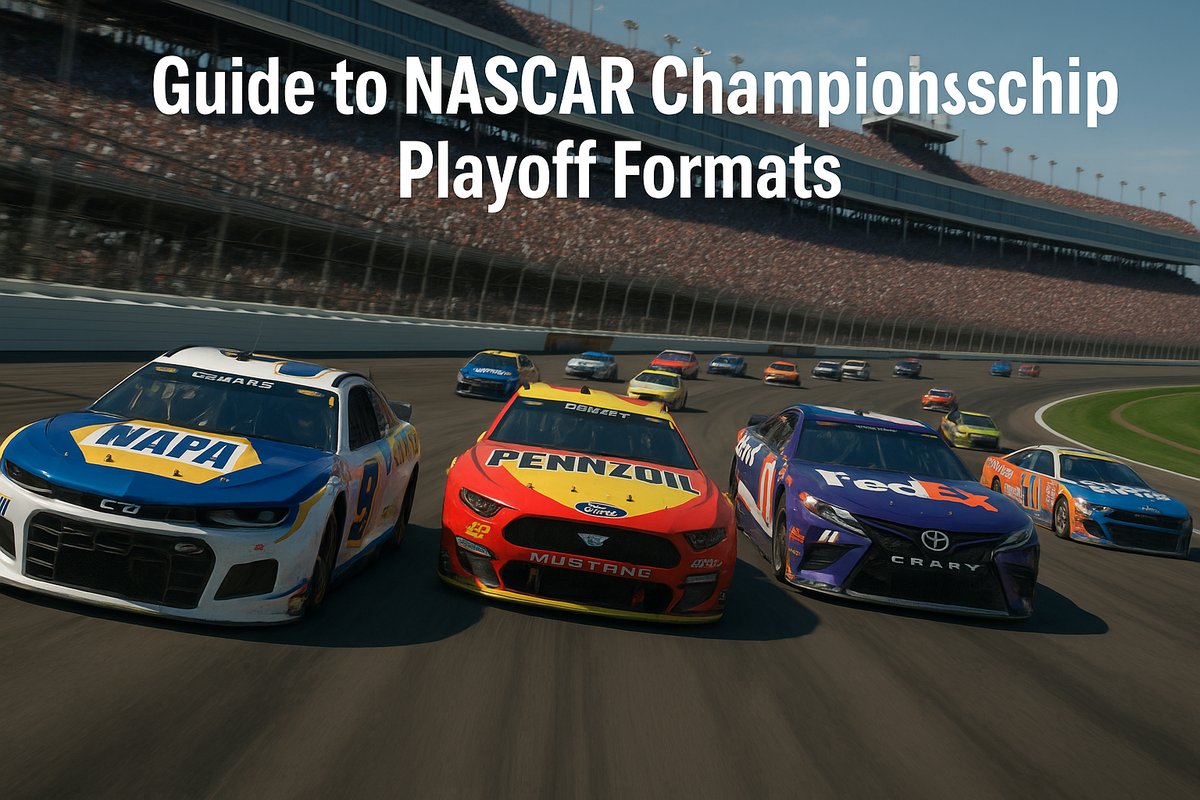
The NASCAR Championship Playoff Formats have transformed the Cup Series season into a calculated, high-stakes campaign that rewards not just speed but also precision planning and commercial appeal. Introduced to heighten drama and reward consistent performance, these formats determine how drivers advance through elimination-style rounds to claim the championship. From the pit lane perspective, teams now treat the final stretch like a fiscal quarter, aligning resources, sponsor activations, and strategy around every point swing.
The evolution traces back to 2004 when NASCAR launched “The Chase for the Cup” to revitalize interest in the season’s end. Prior to this, the championship was decided purely by points accumulated over the full 36-race schedule, often leading to clinches weeks before the finale. The new system narrowed the field to the top 10 drivers after 26 races, later expanding to 12 and then 16. This change created intense competition, with drivers like Kurt Busch becoming the first Chase champion. Over the years, adjustments addressed criticisms, such as adding stage racing in 2017 to award bonus points throughout events. What teams don’t tell fans is that these tweaks also opened new sponsorship windows, letting partners leverage stage wins for targeted marketing pushes. The format shifted from a simple top-10 cutoff to a more dynamic elimination bracket that mirrors other major sports leagues. Key modifications in 2014 introduced three elimination rounds, ensuring that only the strongest performers advanced. Track guides for venues like Talladega and Martinsville highlight how these historic changes influenced race results, with aggressive strategies becoming essential. Cup Series driver profiles from that era show how veterans like Jeff Gordon adapted, securing multiple titles under the evolving rules. The playoff system has since become a staple, boosting viewership and sponsor engagement while maintaining NASCAR’s emphasis on speed and strategy.
Today’s NASCAR Championship Playoff Formats feature a 16-driver field that qualifies after the regular season concludes. Points reset at the start of the playoffs, with each round consisting of three races. In the Round of 16, the top 12 advance based on wins or points, eliminating four drivers. The Round of 12 narrows it further to eight, followed by the Round of 8 that crowns the final four contenders. These Championship 4 drivers then compete in the season finale at Phoenix Raceway, where the highest finisher claims the title. Bonus points from stage wins and regular-season achievements carry over, rewarding drivers who perform consistently. Race results at intermediate tracks like Kansas and Bristol often decide advancement, as a single poor finish can end a title bid. Cup Series drivers such as Denny Hamlin and Kyle Larson have thrived in this system due to their ability to navigate high-pressure situations. The format also incorporates wild-card entries for drivers with wins outside the top 30 in points, adding unpredictability. Track guides emphasize how superspeedways like Daytona play a pivotal role in early playoff races, where drafting and pack racing can produce dramatic outcomes. This structure ensures that every lap matters, turning routine events into must-watch spectacles filled with strategic pit calls and on-track battles.
The current NASCAR Championship Playoff Formats profoundly affect Cup Series driver profiles and overall race results by prioritizing wins over mere consistency. Drivers must secure victories in the regular season to guarantee playoff berths, shifting focus toward aggressive driving from February onward. Profiles of stars like Martin Truex Jr. and Joey Logano reveal how multiple wins in the playoffs have propelled them to championships. Race results at road courses such as Watkins Glen and Sonoma have gained importance, as these venues test versatility beyond oval expertise. The elimination rounds create high-stakes moments where a single mechanical failure or crash can derail a season, leading teams to adopt conservative yet opportunistic strategies. Playoff formats also influence crew chief decisions, with fuel mileage gambles and tire management becoming critical in shorter playoff races. Historical data shows that champions often excel in the final 10 events, where points multipliers amplify small advantages. Emerging talents like Chase Elliott have benefited from the system, using strong finishes to build momentum. Overall, these formats have elevated the sport’s competitiveness, producing memorable moments that dominate NASCAR racing news cycles throughout the fall.
Key facts underscore the business calculus at play: The playoff field expanded to 16 drivers in 2014, with three distinct elimination rounds leading to the finale. Since 2004, 20 different drivers have won at least one race under various NASCAR Championship Playoff Formats. Phoenix Raceway has hosted the championship decider since 2020, replacing Homestead-Miami Speedway. Stage points introduced in 2017 award 10 points to stage winners, significantly impacting playoff seeding. Drivers need at least one regular-season win for automatic qualification unless they rank in the top 30 in points. Average margin of victory in playoff races has decreased due to increased competition intensity. Kyle Busch holds the record for most playoff wins with 35 across multiple formats. Four drivers have won multiple titles under the playoff system: Jimmie Johnson, Kyle Busch, Tony Stewart, and Brad Keselowski.
NASCAR Championship Playoff Formats continue to define the Cup Series by blending tradition with modern excitement. From their origins in 2004 to the sophisticated elimination structure used today, these systems reward skill, strategy, and resilience. As the sport evolves, fans can expect further refinements that keep races thrilling while honoring the legacy of legendary drivers and iconic tracks. Whether analyzing race results or following driver profiles, understanding these formats enhances appreciation for every green flag to checkered flag moment.