
Analyzing Aerodynamics in Current Cup Cars
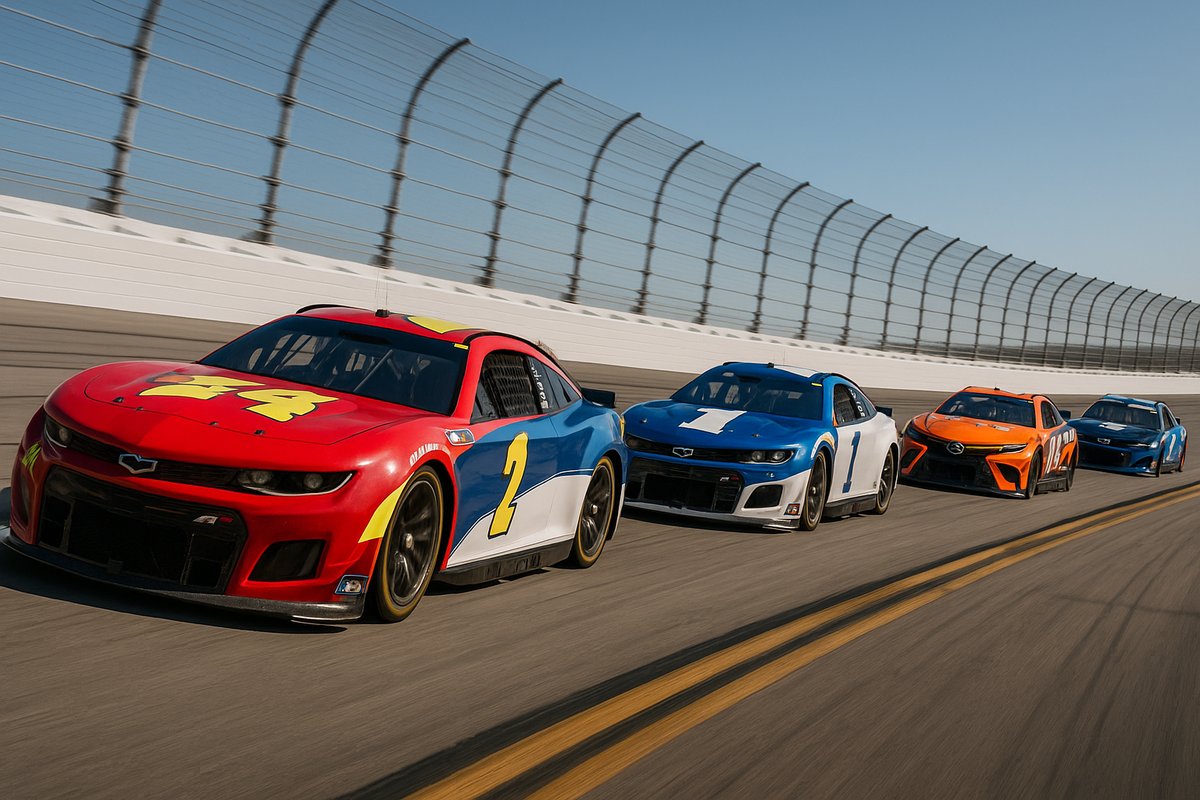
The shift to NASCAR’s Next Gen Cup platform in 2022 has done more than tweak lap times—it has recalibrated how teams balance aero performance with sponsor ROI and long-term budget allocation. Reduced downforce paired with ground-effects engineering has opened lanes for side-by-side racing while forcing crew chiefs to weigh mechanical grip against the visibility needs of primary partners who pay for real estate on the splitter and rear deck.
From the pit lane perspective, the move away from the asymmetric Gen-6 bodies eliminated the endless tape-and-spoiler tweaks that once rewarded teams with deeper engineering benches. What teams don’t tell fans is that those old adjustable elements also drove up wind-tunnel hours and sponsor-funded R&D line items. The standardized composite shell and full underbody diffuser cut overall downforce by roughly 20 percent, lowered the drag coefficient to about 0.35, and delivered a 3–5 mph straight-line speed gain that marketing departments love when pitching extended TV exposure on superspeedways.
The front splitter now rides lower and farther forward, making ride-height management a constant negotiation between performance and the risk of costly damage that can sideline a primary sponsor’s branding for an entire stage. Underbody tunnels generate nearly 60 percent of total downforce—around 1,800 pounds at 200 mph—without the massive rear wing that once created the dirty air that broke up drafting packs. Teams are restricted to just three pre-approved aero configurations per season, a rule that has trimmed testing costs and leveled the playing field for organizations whose sponsors prefer predictable exposure over experimental packages.
On intermediate tracks such as Charlotte and Kansas, the cleaner wake behind these cars lets drivers stay closer during long green-flag runs, but it also heightens sensitivity to turbulence once a car drops into traffic. Crew chiefs have responded by shifting focus from aero adjustments during stops to suspension and tire-pressure strategies that protect the higher mechanical loads now placed on the rubber. At restrictor-plate venues, symmetrical bodywork has reduced the traditional push effect, pushing drivers toward calculated side-drafting that can add up to 8 mph when executed correctly. That change has elevated the value of teammate positioning and timely pushes—factors that directly influence how sponsors allocate activation budgets around restrictor-plate weekends.
Tire degradation now stems more from mechanical stress than downforce, allowing teams to stretch runs on the same set and occasionally leverage improved fuel mileage for strategic cautions. The result has been a 25 percent rise in average lead changes, giving broadcasters cleaner narratives and sponsors more on-screen time during battle for the lead.
The business takeaway is straightforward: the Next Gen aero package has converted engineering parity into competitive theater that keeps both fans and corporate partners engaged without the runaway costs of the prior generation.
Understanding the specifics of how these aerodynamic changes translate to on-track performance requires looking deeper into the physics at play. The diffuser-dominant design fundamentally changed how air flows beneath the car. Rather than relying on a high rear wing to generate downforce—which inherently disrupts the air for trailing cars—the Next Gen platform pushes that responsibility to the underbody. This ground-effect approach means the car generates grip from the air being accelerated underneath and out through the sides, creating a lower-pressure zone that quite literally sucks the car toward the track surface. At 200 mph, this generates tremendous stability without creating the turbulent wake that made passing nearly impossible in the Gen-6 era.
The practical impact for teams involves constant vigilance about ride height and track bar settings. When the underbody is generating 1,800 pounds of downforce, even a quarter-inch change in ride height can cost or gain several tenths of a second per lap. Teams have invested heavily in laser-measurement systems in the garage and telemetry that tracks suspension movement in real time. Crew chiefs now spend as much time analyzing suspension data as they do fuel mileage calculations, because managing the mechanical grip alongside the aerodynamic grip is what separates front-runners from the rest of the field.
The three-configuration rule has become a strategic focal point for engineering departments. Teams typically develop one setup optimized for qualifying, one balanced for stage racing, and one fine-tuned for fuel-mileage runs late in events. However, this restriction has also created an unexpected advantage for smaller teams with experienced engineers who can extract maximum performance from minimal changes. Rather than outspending competitors with massive wind-tunnel programs, savvy crew chiefs now win races through clever weight distribution, brake balance adjustments, and shock absorber tuning that work in harmony with the standardized aero package.
The Gen-6 to Next Gen transition also revealed how much the old package relied on drag for competitive balance. The asymmetric cars generated higher drag coefficients, which meant that even in straightline races like Daytona and Talladega, the performance was relatively close. The Next Gen’s lower drag coefficient of 0.35 has made top-end speed more important, but it has also created situations where smaller teams with equally optimized engines can run competitively for longer stretches. Fuel mileage has become a legitimate strategy tool rather than a desperate gamble, allowing teams to make unexpected pit calls that shake up race outcomes.
Looking at specific track types reveals how versatile the platform has become. At road courses like Sonoma and the Charlotte Roval, the Next Gen chassis flexibility and balanced aero package has actually improved competition compared to the Gen-6 era. The reduced aero dependency means mechanical grip through the apex matters more, rewarding drivers and engineers who master suspension geometry. Short tracks like Bristol and Richmond have seen more side-by-side racing because the cleaner air allows drivers to maintain enough downforce even when they’re off the racing line trying to pass.
Superspeedway racing represents perhaps the most dramatic shift. The symmetrical front end and reduced rear-wing angle have fundamentally changed drafting strategy. Gone are the days when a dominant car could run in front and simply let its massive wake hold back challengers. Now, the trailing car in a three-wide situation actually has better aerodynamic opportunity than the leader. This has led to more calculated pack racing where drivers work together in coordinated pushes, knowing that their teammate or ally will reciprocate later in the race. Crew chiefs manage fuel mileage even more conservatively at these venues, because an extra gallon in the tank near the end of a stage can enable a driver to dictate the final laps without fear of running out.
The thermal management implications have also changed significantly. With less rear-wing angle and a lower drag coefficient, engine cooling requirements decreased initially, but teams quickly adapted by running tighter radiator shutters and pushing power higher. The underbody tunnels create airflow underneath the car that actually helps cool the brakes and suspension components, something the old high-wing design couldn’t accomplish. This has made brake fade less of a factor in long green-flag runs, extending the window for aggressive driving without fear of mechanical failure.
Looking ahead, the continued refinement of the Next Gen package will likely focus on further optimizing that 60-percent underbody downforce contribution. Wind-tunnel research across the industry is exploring subtle changes to diffuser geometry and front-splitter angle that stay within the standardization rules while extracting marginal gains. The sport has also begun considering how hybrid and electric powertrains might integrate with these aerodynamic foundations—a challenge that will require balancing weight distribution and airflow around new battery packaging.
The aerodynamic philosophy of the Next Gen platform—emphasizing efficiency, creating passing opportunities, and reducing the gap between well-funded teams and mid-pack competitors—has proven successful enough that NASCAR is unlikely to dramatically overhaul the concept anytime soon. Instead, expect continued evolutionary tweaks that maintain the competitive balance while allowing for incremental technological advancement. For fans, this means races that reward both driver skill and strategic decision-making, with lead changes distributed throughout rather than concentrated in the final laps.