
Hidden Secrets of Richard Petty’s Record Book
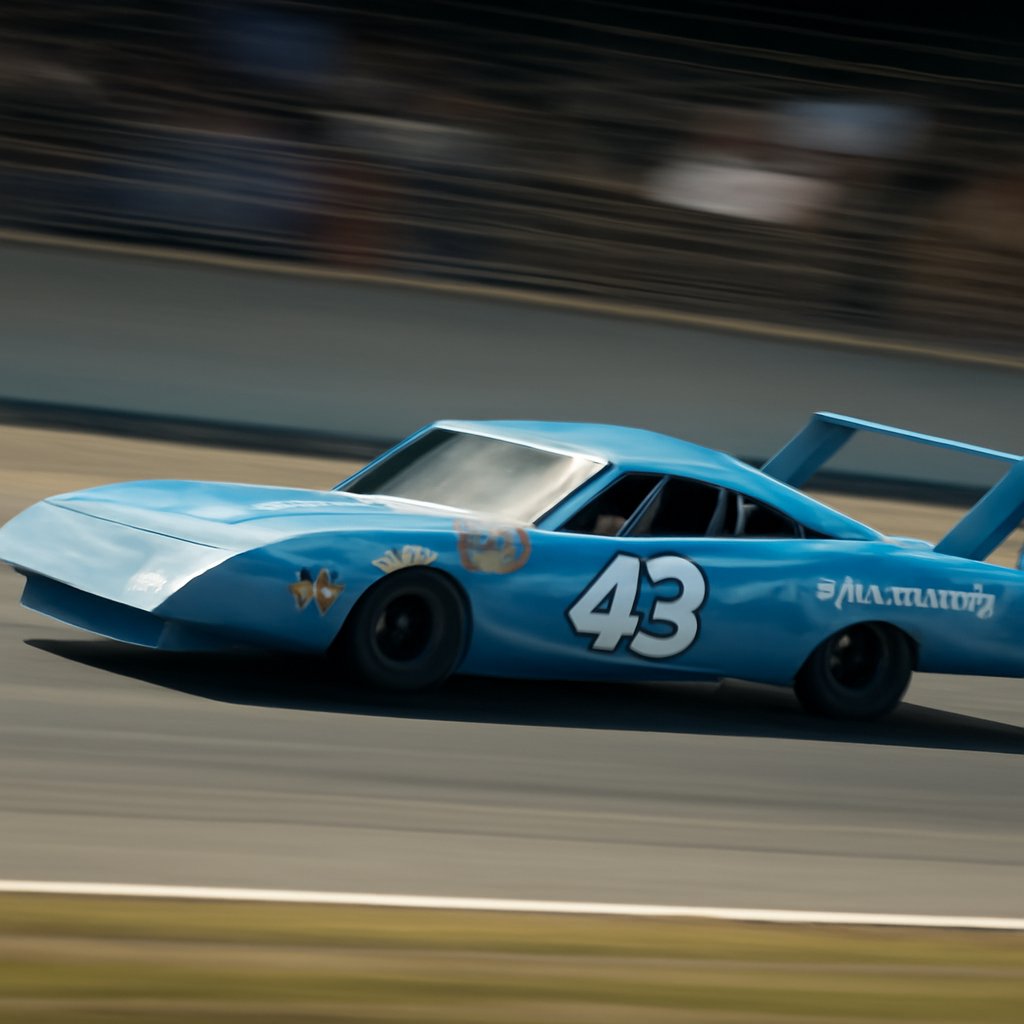
Y’all, when you start digging into the hidden secrets of Richard Petty’s record book, it’s like peeling back layers of NASCAR Cup Series history that stretch far beyond those 200 career victories and seven championships. As the King of stock car racing, Richard Petty’s feats have molded driver profiles and race results for generations, but plenty of overlooked notes from his track guides and personal logs still get folks talking at tracks from Charlotte to Daytona and Talladega. Growing up in Charlotte, NASCAR wasn’t a hobby — it was life, and my grandfather watched this whole sport take shape right here in the South.
Richard Petty rolled into the Cup Series in 1958 at age 21 with some humble starts that didn’t hint at the dominance coming. His debut at Columbia Speedway ended up 17th, yet those early pages in his book detail careful tire pressure tweaks that teams later copied as standard. Those experiments paved the way for his first win in 1960 at Southern States Fairgrounds, sparking a run of steady results on both short tracks and superspeedways. His daddy Lee’s hand shows up in the engine tuning notes, and fans sometimes overlook how that shaped runs at places like Bowman Gray Stadium, where Richard honed that aggressive but smart passing style.
What really sets Petty apart from his contemporaries was his methodical approach to learning each track’s nuances. While many drivers relied on instinct, Petty’s meticulous documentation reveals he treated every race weekend like a laboratory. His notebooks from the early 1960s show detailed observations about banking angles, surface conditions, and how those factors changed throughout the day as temperatures shifted. This scientific mindset, inherited partly from his father Lee Petty’s pioneering spirit, gave Richard an intellectual edge that complemented his natural talent behind the wheel.
By the mid-1960s, his qualifying approach showed real foresight. Records point to Petty focusing on aerodynamics changes well before most caught on, giving him an edge in events at Daytona and Charlotte. That 1964 season with eight wins proved it through private track guides mapping wind patterns at each spot. My grandfather used to say those superspeedway secrets were what separated the good from the great back then. The attention to fuel mixture ratios and engine mapping during qualifying sessions became legendary among crew chiefs who studied Petty’s methods. He understood that qualifying position could make or break a race, particularly at restrictor-plate tracks where passing opportunities were limited.
Petty’s relationships with his crew chiefs, particularly Dale Inman, deserve special mention in any discussion of his success. Inman and Petty formed one of NASCAR’s greatest partnerships, with Inman serving as crew chief for the majority of Petty’s wins. Their communication and trust allowed them to take calculated risks that paid off lap after lap. The pair’s ability to diagnose handling problems mid-race and implement pit-stop adjustments showcased a level of teamwork that modern fans might overlook when discussing individual driver statistics. These weren’t just victories — they were collaborative masterpieces.
Petty’s title years in 1964, 1967, 1971, 1972, 1974, 1975, and 1979 hold some wild anomalies. The 1967 run with 27 wins in 48 races stands tall, but his logs show custom fuel mixes that kept things reliable when it counted. Battles with rivals like David Pearson and Cale Yarborough reveal mental notes on strategy during the heat at Talladega and Atlanta Motor Speedway — tricks that kept him sharp in those driver profiles. That 1967 season remains almost incomprehensible by modern standards; winning more than half the races entered speaks to both Petty’s dominance and the technical advantages his team had developed. Some historians argue that season represents the highest peak any driver has reached in a single campaign.
The rivalry between Petty and David Pearson deserves its own chapter in NASCAR folklore. Their head-to-head battles, particularly at short tracks and superspeedways, produced some of the most thrilling moments in the sport’s history. Petty’s logs from these encounters show he studied Pearson’s tendencies obsessively — his braking points, his preferred racing lines, even his pit-stop strategies. This competitive intelligence gathering was years ahead of its time, predating the modern era of data analytics in racing by decades. Petty understood that knowledge of your rival was as valuable as horsepower.
His grip on tracks like North Wilkesboro and Martinsville comes through in guides that still get referenced for the best lines today. Those 10 wins at Daytona underline a real command of restrictor-plate racing that drivers study even now. His last victory in 1984 at Dover locked it in, with pit strategy notes showing how he adapted as the series changed and started guiding the next wave of talent. The fact that Petty could win at age 47 demonstrates his adaptive abilities. As technology evolved and the competition became more specialized, rather than fade away, Petty found new ways to be competitive. His final victory came in his 1,184th start — a testament to both his longevity and his refusal to accept decline.
An often-overlooked aspect of Petty’s dominance involves his pit crew management. He recognized early that races were won and lost during pit stops, and he invested heavily in pit crew training and conditioning. His teams practiced pit stops relentlessly, perfecting choreography that gave Petty crucial seconds over competitors. In an era when pit crews weren’t yet the specialized athletes they are today, Petty’s investment in his pit team’s development was revolutionary. The consistency of his pit stops across 1,184 races contributed meaningfully to those 555 top-10 finishes.
Richard Petty holds the all-time Cup Series record with 200 wins across 1,184 starts. He captured seven championships, tying for the most in NASCAR history with Dale Earnhardt and Jimmie Johnson. Petty achieved 555 top-10 finishes, showcasing remarkable consistency over 35 seasons. His 1967 campaign included a modern-era record of 10 consecutive victories. Petty led over 52,000 laps in his career, the highest total in Cup Series annals. Ten wins at Daytona International Speedway highlight his superspeedway prowess. He started from the pole position 127 times, another enduring benchmark. Petty’s family team, Petty Enterprises, secured 198 of his victories. His last win came at age 47, proving longevity in the demanding sport. Inducted into the NASCAR Hall of Fame in 2010 as part of the inaugural class.
Beyond the numbers, Petty helped turn NASCAR into a bigger deal through media and fan connections, with sponsorship ideas that changed how teams chase partnerships today. His accessibility to fans and media created a template for driver engagement that the sport still follows. Petty understood his role as an ambassador for racing and leveraged his success to grow the sport’s appeal far beyond the South. His iconic number 43 became synonymous with excellence, and the burgundy and gold paint scheme became instantly recognizable across America.
Digging through those details shows why Richard Petty stays the gold standard in NASCAR Cup Series lore. The methods, rivalries, and track-specific plays from his book don’t just honor past results — they still shape how folks approach racing at Charlotte, Daytona, Talladega, and beyond. Modern drivers and teams continue to reference Petty’s techniques, study his strategic decisions, and apply lessons from the King’s legendary career. His record book remains the most important document in NASCAR history.