
Tips for Reading Advanced NASCAR Statistics
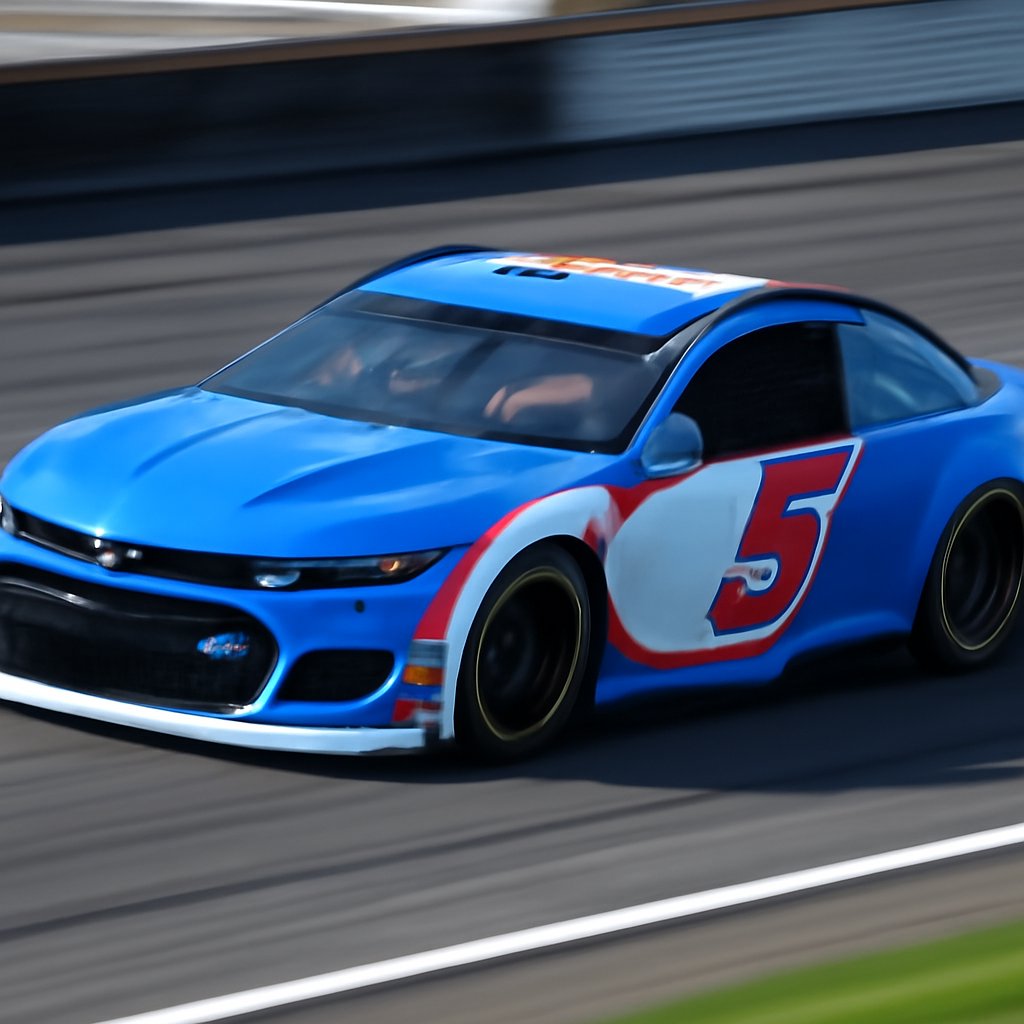
Mastering advanced NASCAR statistics isn’t just about crunching numbers—it’s a strategic edge for teams, sponsors, and stakeholders looking to maximize ROI in the Cup Series. From the pit lane perspective, these deeper metrics separate the drivers who deliver consistent value for partners from those who flash brilliance only sporadically.
Understanding the fundamentals of NASCAR statistics means layering context like track type, stage points, and competitor strength onto traditional data. What teams don’t tell fans is that overlooking variables such as caution periods or tire strategy can distort how sponsors evaluate a driver’s marketability, turning raw finishes into misleading narratives about long-term potential.
Raw data such as finishes and laps led gains real power when examined through average running position adjusted for green-flag speed. A 15th-place result at a 1.5-mile track, for instance, can signal strong execution if the driver maintained top-10 positioning through most stages, directly influencing how teams pitch performance consistency to sponsors seeking reliable exposure.
Track guides further illustrate why context drives outcomes: intermediate ovals reward different strengths than short tracks or road courses, and advanced statistics incorporate historical performance at similar layouts to inform more accurate strategy calls. This matters on the business side, where precise forecasting helps organizations allocate resources toward venues that boost both on-track results and sponsor activation opportunities.
Core metrics like driver rating—compiled by NASCAR since 2005 across 12 performance categories—blend laps led, passing, and fastest laps into one benchmark. From the pit lane perspective, recognizing that this score rewards consistency over highlight-reel moments helps teams and partners avoid misjudging drivers whose styles vary by track.
Average running position and green flag passes add another layer, revealing pace independent of final results and aggressive yet calculated overtaking. In modern stage racing, these indicators often translate into position gains that enhance both championship positioning and the visibility sponsors pay for, especially when teams leverage them in multi-season trend analysis.
The evolution of NASCAR’s statistical framework has transformed how the sport evaluates performance. Before the introduction of stage racing in 2017, traditional statistics like finishing position and laps led dominated the narrative. Today’s advanced metrics paint a far more nuanced picture. Stage points now represent critical milestones within each race, rewarding drivers who perform consistently throughout rather than simply delivering in final laps. This structural shift means that a driver finishing 18th overall might still accumulate meaningful stage points if they’ve maintained competitive positioning during earlier segments. Teams analyzing sponsorship value must now account for stage-level performance metrics alongside traditional standings, as advertisers increasingly recognize the visibility benefits of consistent mid-race positioning.
Pit stop efficiency has emerged as one of the most critical yet underappreciated advanced statistics in modern NASCAR. Average pit stop time—measured across the entire season—directly correlates with race outcomes and championship positioning. A crew that gains an extra tenth of a second per stop compounds into tenths of track position across a 36-race season. Moreover, pit stop consistency matters as much as raw speed; a crew that executes 4.8-second stops on average with minimal deviation outperforms a crew averaging 4.7 seconds with high variability. Advanced teams now track pit road performance broken down by fuel-only versus four-tire stops, day versus night races, and weather conditions. This granular approach has revealed that certain crews excel in pressure situations—late-race cautions or playoff moments—while others perform more consistently in routine pit cycles. Sponsors benefit from understanding these patterns because pit road performance directly translates to track position, which drives broadcast visibility.
Tire degradation analysis represents another frontier in NASCAR statistics that separates informed observers from casual fans. Modern tire compounds wear differently depending on track surface conditions, ambient temperature, humidity, and even the specific racing line taken by individual drivers. Advanced teams now compile tire wear data lap-by-lap, tracking how groove selection and braking intensity affect tire life. A driver who preserves tires efficiently might run 5-10 laps longer than competitors before pit stops become mandatory, creating strategic advantages in stage competitions where caution flags may not occur at expected intervals. Statistical analysis of tire degradation patterns across seasons reveals that certain drivers possess an intuitive feel for tire management—a skill that shows up in metrics like “laps run under tire mileage limit” or “green-flag pit stop avoidance rate.” These capabilities often separate championship contenders from mid-pack competitors, particularly in high-downforce configurations where tire management becomes paramount.
Fuel mileage statistics deserve special attention because they remain one of the most misunderstood advanced metrics in NASCAR. A driver’s fuel efficiency depends on driving style, track position, and environmental factors, yet many fans overlook it entirely. Teams that master fuel mileage statistics gain strategic flexibility—the ability to extend pit stop intervals or attempt fuel-only stops that preserve track position. Statistical tracking of fuel mileage performance broken down by track type reveals massive variance. For example, a driver might achieve 4.8 miles per gallon at a high-speed 1.5-mile oval but only 4.2 mpg at a technical short track. These differences directly impact race strategy, championship positioning, and even sponsorship value because fuel mileage success often correlates with smooth, efficient driving that minimizes tire wear and mechanical stress.
Applying these insights across Cup Series driver profiles requires spotting upward trends in late-race speed or restart performance before traditional standings shift. What teams don’t tell fans is that reliability metrics like these predict championship contention with 78 percent accuracy over the past decade, making them essential tools for long-term partnership decisions and fantasy or betting platforms tied to the sport’s commercial growth.
Caution flag analysis represents a statistical frontier that most casual observers completely ignore. Advanced teams now track driver performance during caution periods with sophisticated detail: restart position gained or lost, fuel strategy decisions made during yellows, and tire choice effectiveness following cautions. Historical data reveals that certain drivers consistently gain positions during caution sequences while others lose ground. This pattern holds predictive value—drivers who excel at caution-flag restarts often perform well in playoff situations where restarts become more frequent and consequential. Statistical platforms now measure “caution-induced passing efficiency,” comparing how many spots a driver gains during yellow flags versus their average green-flag passing rate. Sponsors interested in maximizing broadcast visibility benefit from understanding these patterns because caution periods generate intense camera focus and commentator attention.
Common pitfalls include overreliance on single metrics or small sample sizes at unique tracks, which can skew averages and ignore playoff adjustments. Cross-checking against multiple sources while factoring in crew chief changes or manufacturer updates protects the integrity of the data teams use to optimize strategy and sponsor returns.
Manufacturer performance statistics often hide crucial competitive intelligence. While raw driver statistics sometimes appear to favor certain drivers, deeper analysis reveals manufacturer effects—some drivers perform better in Ford, Chevrolet, or Toyota equipment regardless of individual skill. Advanced statistical models now separate driver skill from equipment advantage, revealing that a driver averaging a top-15 finish in inferior equipment might outperform a peer averaging top-12 finishes in superior machinery. This normalized approach to driver evaluation has transformed how teams evaluate trade value in driver swaps and how sponsors assess long-term consistency independent of equipment changes.
Key benchmarks to watch include top drivers holding average running positions within five spots of their starts on intermediates, green flag pass leaders gaining 15-20 positions per race from mid-pack, and road course specialists posting 30 percent higher driver ratings than oval specialists on comparable layouts. Advanced metrics also adjust for 2024 stage points, requiring careful normalization for pre-2023 comparisons.
Weather-adjusted performance metrics have grown increasingly sophisticated, particularly for teams competing across varied seasonal conditions. A driver’s statistics from spring races occurring in cool temperatures don’t translate directly to summer competition in extreme heat. Advanced teams now maintain weather-normalized databases tracking performance across temperature ranges, humidity levels, and track-condition categories. This approach reveals that certain drivers genuinely perform better in specific conditions—some excel in hot weather where tire management becomes critical, while others dominate in cool conditions where aerodynamic precision matters more. Statistical analysis of weather-adjusted performance helps predict success at future races with similar atmospheric conditions, providing competitive advantages in strategy planning and resource allocation.
Fantasy NASCAR applications have evolved to incorporate advanced statistics, creating a symbiotic relationship where sophisticated analysis drives platform engagement. Modern fantasy NASCAR scoring systems now weight metrics like average running position and green-flag passing rate alongside traditional finishing positions. This evolution encourages casual fans to engage with deeper statistical understanding, gradually building appreciation for the nuanced performance stories that advanced metrics reveal.
Integrating these approaches elevates how stakeholders interpret Cup Series dynamics, focusing on contextual metrics rather than isolated results to uncover the nuanced performance stories that drive both competitive success and business value in the garage.