
Dale Earnhardt Jr Broadcasting Career Insights
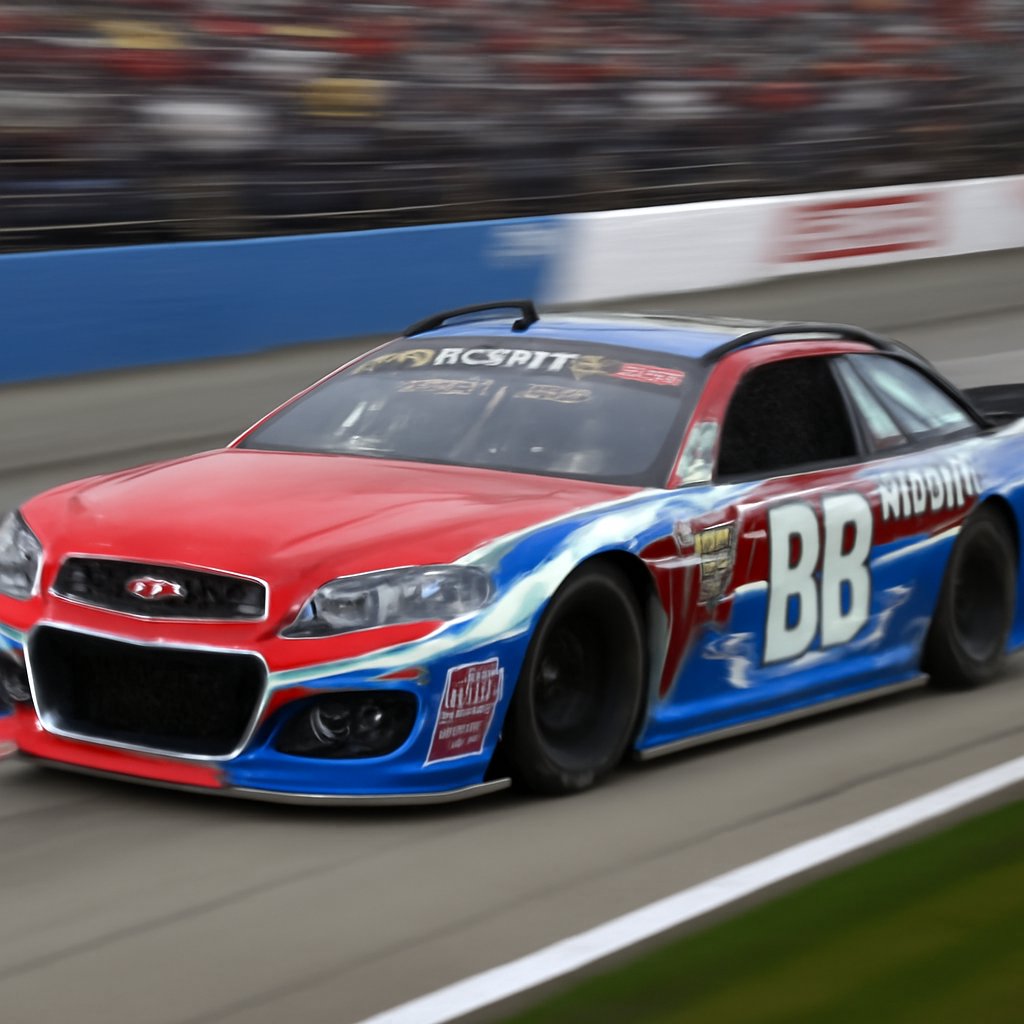
Dale Earnhardt Jr.’s move from the cockpit to the NBC Sports booth has proven to be one of the more calculated transitions in recent NASCAR history. After banking 26 Cup Series victories and building unmatched fan equity during a 19-year career, he retired in 2017 and stepped into a full-time analyst role the following season, where his garage-level perspective now shapes coverage across more than 100 events.
From the pit lane perspective, that early 2015 part-time pit-road work was the real test bed. Junior learned to time commentary between green-flag runs and restart strategy calls without stepping on producers, drawing directly from moments like leading the 2001 Daytona 500 to explain why drivers and teams commit to certain lines under pressure. What teams don’t tell fans is how much those split-second calls are also driven by sponsor obligations—hitting marks for live reads and product integration while managing tire fall-off or drafting partners at places like Talladega and Daytona.
In the studio and booth, his breakdowns blend driver psychology with the business realities that actually move the sport. He highlights how Hendrick Motorsports-era decisions on restarts or road-course setups at Watkins Glen still apply today, making the strategic chess match accessible while subtly underscoring the sponsor dynamics that reward consistent television exposure. Collaborations with analysts like Jeff Burton mirror the same garage camaraderie that keeps team partnerships intact season after season, and the cross-promotion through his 1.5 million-plus social followers has become a measurable asset for NBC’s annual slate of 20-plus Cup races.
Challenges have included adapting to layered graphics packages and remote segments, yet these adjustments mirror the same resilience required when a driver rebounds from setbacks on the track. Looking forward, expanded podcasting and track-specific content tied to weekends at Indianapolis Motor Speedway and Charlotte Motor Speedway could further monetize that authentic voice while keeping younger audiences engaged.
Key facts remain straightforward: Junior joined NBC full-time in 2018, his first complete season aligned with the network’s expanded schedule, and he has collected multiple Emmy nominations for outstanding sports personality. His emphasis on emotional stakes over raw numbers continues to differentiate the broadcast, turning what could be dry strategy talk into narratives that hold viewers through cautions and commercial breaks alike.
The transition from racing to broadcasting required more than just sitting behind a desk. Earnhardt Jr. had to develop an entirely new skill set while leveraging decades of on-track experience. Unlike some former drivers who struggle with articulation or struggle to simplify technical concepts for casual viewers, Junior’s natural charisma—the same quality that made him a fan favorite during his driving career—translated seamlessly to the broadcast booth. His ability to connect with audiences stems from genuine authenticity; he speaks about racing challenges with the credibility of someone who has lived them at 200 miles per hour, not as someone reading from cue cards.
One of the most underrated aspects of Earnhardt Jr.’s broadcasting success is his willingness to admit when he doesn’t know something or when his perspective might be outdated. The sport evolves constantly, and newer chassis regulations, aerodynamic packages, and driver talent pools shift the competitive landscape annually. Rather than clinging to “back in my day” narratives that alienate younger viewers, Junior actively engages with current drivers and teams to understand how modern racing differs from his era. This intellectual humility has earned respect from competitors and crew members who appear alongside him during broadcasts.
His work extends beyond race weekends into comprehensive digital content. NBC has capitalized on Earnhardt Jr.’s brand by developing behind-the-scenes segments, pre-race analysis packages, and social media content that gives fans multiple touchpoints throughout the racing calendar. These supplementary materials serve as extended entertainment for die-hard NASCAR fans while introducing the sport to casual viewers who might only tune in for the Daytona 500 or other marquee events. The production value of these digital assets has increased substantially, with high-definition cinematography and editing that rivals major sports networks.
The financial implications of Earnhardt Jr.’s broadcasting career cannot be overlooked. While the exact terms of his NBC contract remain private, industry analysts estimate that high-profile broadcast personalities in motorsports command seven-figure annual salaries, especially those with his profile and tenure. Beyond base compensation, Earnhardt Jr. has leveraged his broadcasting platform to expand merchandise sales, grow his podcast audience, and strengthen his existing business ventures in automotive and lifestyle spaces. The synergy between his on-air presence and commercial interests creates a compounding effect that few other former drivers have successfully achieved.
Earnhardt Jr.’s chemistry with co-hosts and fellow analysts has been instrumental to broadcast success. His interactions with pit reporters, studio anchors, and other analysts feel natural rather than scripted, which viewers instinctively recognize and appreciate. When he laughs at a colleague’s joke or playfully challenges another analyst’s interpretation of a pit stop, these moments humanize the broadcast and remind audiences that they’re watching real people discuss something they genuinely care about. This organic dynamic is nearly impossible to manufacture and represents one of the most valuable assets a broadcast team can cultivate.
Looking at specific race analysis, Earnhardt Jr. excels at identifying inflection points—moments where a driver or team decision fundamentally altered the outcome of an event. Rather than simply narrating what happened, he explains the cascade of consequences that flowed from a single choice. For example, when discussing a fuel mileage gamble late in a race, he’ll explain not just whether the strategy worked, but why the driver and crew chief believed it was necessary, what alternatives they considered, and how it reflected their understanding of fuel consumption rates, track conditions, and competitor positioning. This layered analysis educates viewers while maintaining narrative momentum.
The broadcasting booth has also allowed Earnhardt Jr. to address topics that were off-limits during his driving career. As a competitor, discussing controversial calls, questioning officiating, or critiquing team strategies could jeopardize sponsorship relationships or create tension with fellow competitors. As a broadcaster, he has more freedom to offer candid opinions while remaining professional. This candor, deployed judiciously, has enhanced his credibility with fans who appreciate straight talk over sanitized corporate messaging.
His impact on NASCAR’s media landscape extends to influencing how the sport covers itself. Younger broadcasters and analysts often model their approach on elements of Earnhardt Jr.’s success—balancing technical expertise with emotional storytelling, using social media to extend their reach beyond traditional broadcasts, and maintaining authenticity even within corporate environments. The ripple effects of his broadcasting success can be observed throughout NASCAR’s media ecosystem, from regional broadcasts to digital-native racing content creators.