
What Channel Is the NASCAR Race On? Complete TV Schedule Guide
“`html
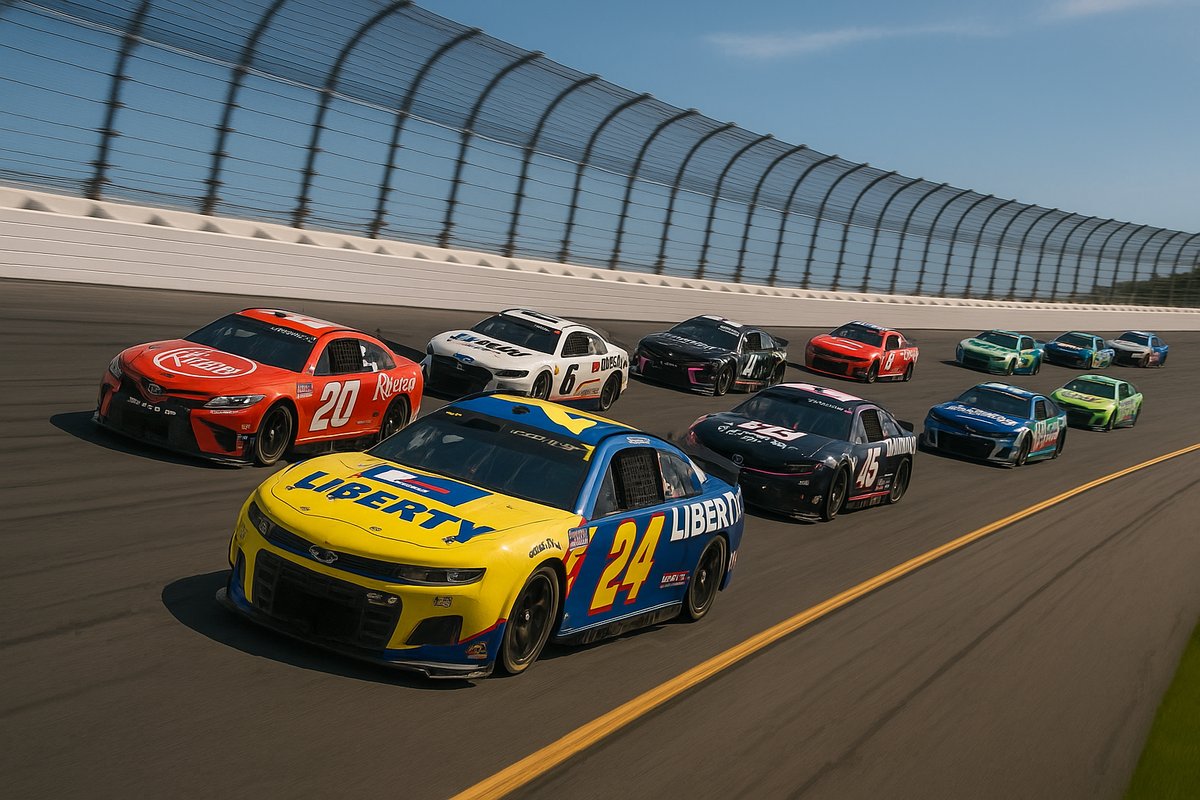
Finding out what channel your favorite NASCAR race is on shouldn’t be complicated, but with races spread across multiple networks throughout the season, it’s easy to miss important details. Whether you’re a casual fan looking to catch a weekend race or a dedicated enthusiast who doesn’t want to miss a single lap, understanding the NASCAR broadcast schedule is essential for planning your viewing experience.
NASCAR’s television coverage has evolved significantly over the years, with races now distributed across Fox, NBC, and USA Network as part of the current broadcast agreement. This distribution means fans need to be strategic about how they access races, especially if they don’t have cable or prefer streaming options. The good news is that there are more ways than ever to watch NASCAR, from traditional cable broadcasts to digital streaming platforms and online services.
The NASCAR Cup Series typically runs from February through November, with races scheduled nearly every weekend during the season. The three major racing series—the Cup Series, Xfinity Series, and Truck Series—all have their own broadcast schedules that sometimes overlap. Understanding which network carries which races can save you time and frustration when race day arrives.
Fox and Fox Sports 1 (FS1) typically carry the opening races of the season, including the prestigious Daytona 500, one of the most-watched motorsports events in the world. Early season races on Fox benefit from primetime coverage and marketing that attracts both longtime fans and newcomers to the sport. These Fox broadcasts usually feature comprehensive pre-race coverage, in-depth driver interviews, and extended post-race analysis that helps fans understand the bigger picture of the championship battle.
NBC takes over coverage for the latter portion of the NASCAR season, bringing races to fans through NBC, CNBC, and USA Network. NBC’s coverage has become increasingly sophisticated, with enhanced graphics, multiple camera angles, and innovative storytelling that appeals to modern audiences. The network’s sports infrastructure allows for seamless coverage of races even when unexpected weather delays or schedule changes occur.
USA Network serves as an important secondary channel for NASCAR broadcasts, carrying both Cup Series and lower-level series races. This network provides additional flexibility in the broadcast schedule and ensures that fans have multiple options for accessing races. USA Network broadcasts are also typically available on streaming platforms, making them accessible to cord-cutters and those who prefer digital viewing options.
One of the most significant changes in NASCAR broadcasting has been the expanded availability of streaming options. The official NASCAR.com website now offers various streaming packages, and most cable providers allow authentication through their apps for network streaming. Additionally, services like Peacock (NBC’s streaming platform), FuboTV, and Sling TV provide access to NASCAR races as part of their sports packages, giving fans flexibility in how they consume the content.
For those who want to stay informed about upcoming races, the NASCAR.com official website maintains the most current and accurate schedule information. This resource includes not only race dates and times but also details about which network has broadcasting rights for each specific event. The website is updated regularly throughout the season to reflect any schedule changes due to weather or other circumstances.
Television coverage times can vary significantly throughout the season. Early races in the spring often start in the afternoon, while races later in the season may air in primetime slots to maximize viewership. Special event races, such as the Coca-Cola 600 on Memorial Day weekend, typically have unique broadcast times that warrant advance checking. Planning your weekend around race times ensures you won’t miss the green flag or any critical moments that could impact championship standings.
The Daytona 500, held each February, remains the marquee event of the NASCAR season and deserves special attention in your schedule. This 500-mile race at Daytona International Speedway attracts casual viewers in addition to regular fans, and the broadcast networks treat it with the pageantry it deserves. Pre-race festivities often begin hours before the actual race start time, featuring driver introductions, musical performances, and patriotic ceremonies that make it an unmissable television event.
Chase races, which are the playoff-style races that determine the championship, receive premium broadcast treatment and marketing emphasis. These races are distributed strategically across the networks to ensure maximum viewership. The intensity and championship implications of these races make them must-watch television for serious NASCAR fans, and the networks provide additional commentary and analysis reflecting the stakes involved.
Weather can impact NASCAR broadcasts in ways that fans should be aware of. Rain delays, thunderstorms, or extreme heat can push races to later time slots or even to the following day. The networks provide regular updates on schedule changes through their apps, websites, and social media channels. Following official NASCAR and network social media accounts during race weekends ensures you’ll receive notifications about any time changes or delays.
For fans who travel to attend races in person, having the correct broadcast information is still valuable. Many race venues have viewing areas where fans can watch replays or other races that might be occurring simultaneously at other tracks. Additionally, staying informed about broadcast details helps you plan your weekend, knowing when the race you’re attending will be shown on television for friends and family watching at home.
International fans watching NASCAR have additional options depending on their location. Various international broadcasters carry NASCAR races in different countries, typically with slight time delays or highlight packages. Using a VPN in conjunction with streaming services may provide access for international viewers, though licensing restrictions sometimes limit this option depending on your location.
The relationship between social media and NASCAR broadcasting has become increasingly important. Many networks use second-screen experiences, providing additional content, statistics, and commentary through dedicated apps and social media channels during broadcasts. Following official accounts allows fans to participate in live conversations during races and receive real-time updates about on-track action, pit stop strategies, and driver positions.
Commercial breaks during NASCAR races typically occur during caution periods and between stages, which means fans don’t miss crucial racing action. Understanding the stage structure of modern NASCAR races helps viewers anticipate when commercials will occur and plan accordingly. The stage format has also made broadcasts more exciting, as drivers compete hard throughout the entire race rather than just saving their energy for the final laps.
Recording races is an option for fans who cannot watch live broadcasts. Most cable providers offer DVR functionality, and streaming services like Peacock maintain archives of recent races. This flexibility allows fans to watch races on their own schedule while still experiencing the excitement and drama of NASCAR competition. However, avoiding spoilers on social media can be challenging if you’re watching recorded races, so plan your online time accordingly.
For the most accurate, up-to-date information about NASCAR race broadcasts, always refer to the official NASCAR website and the broadcasting networks’ websites before race day. Bookmark these resources and check them regularly throughout the season to ensure you never miss a race or get confused about which channel to turn to.
Sources
- NASCAR.com Results — Official NASCAR race schedules, results, and broadcast information
- ESPN NASCAR — Live race coverage, schedules, and television listings
- Motorsport.com NASCAR — International NASCAR news and race broadcast guides
- Racing Reference — Comprehensive NASCAR Cup Series historical data and schedules
- NASCAR.com Schedule — Official 2024 NASCAR race calendar and TV channel information
“`