
Kyle Larson’s NASCAR Wins: Career Stats That Define a Champion
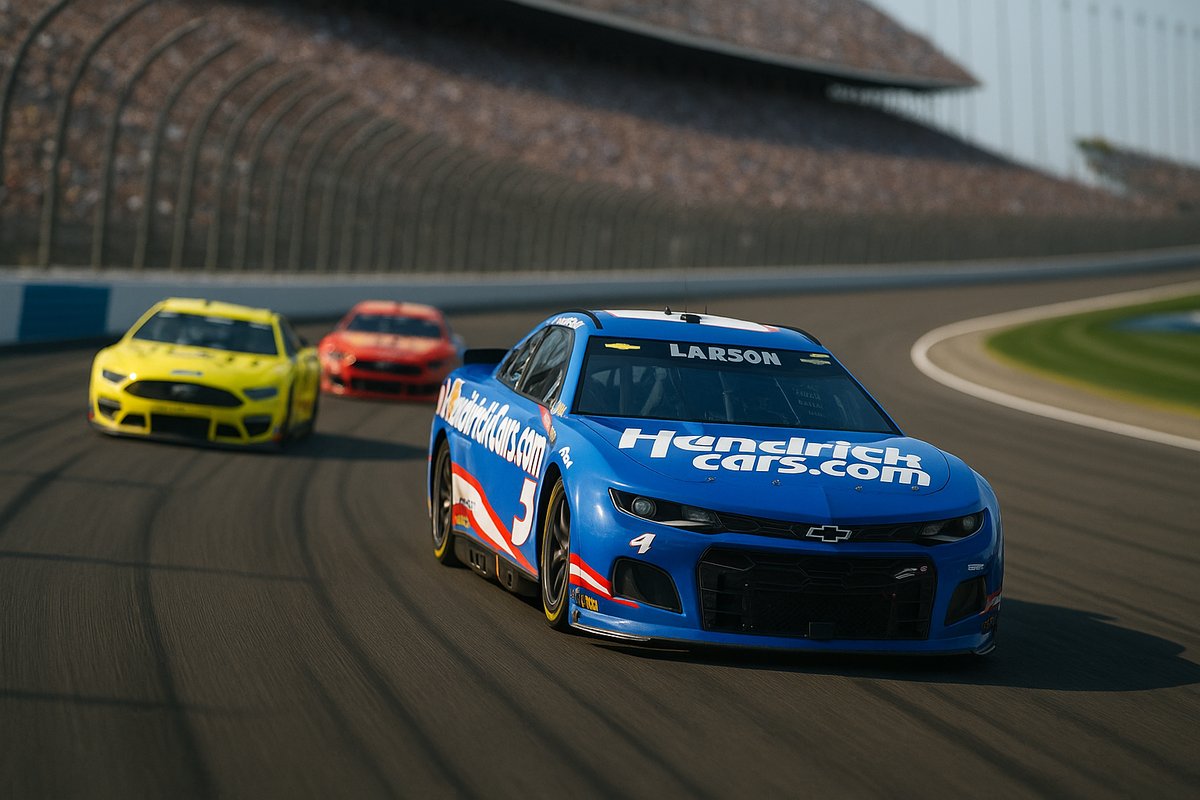
Kyle Larson’s ascent through NASCAR’s ranks reflects more than raw talent behind the wheel. It highlights how strategic team decisions, sponsor alignment, and long-term business planning converge to produce consistent results at the highest level. From the pit lane perspective, each victory represents coordinated execution across Hendrick Motorsports’ engineering groups, tire management protocols, and fuel-window calculations that protect both track position and the interests of primary partners like HendrickCars.com and Valvoline.
What teams don’t tell fans is that Larson’s statistical profile directly influences renewal conversations with secondary sponsors who measure exposure in television minutes and social impressions rather than pure win totals. His ability to deliver top finishes across multiple tracks strengthens the ROI narrative that keeps those relationships stable through contract cycles. Career data pulled from NASCAR’s official records, ESPN archives, and Racing-Reference databases shows a driver who has converted qualifying speed into race wins at a rate that supports premium charter valuation for his organization.
Sponsor dynamics play a quieter but decisive role here. When Larson contends for championships, the halo effect extends to associate partners who gain leverage in hospitality packages and co-branded activations. Team strategists routinely balance aggressive pit calls with the need to protect equipment that carries multi-year marketing commitments, a calculus that often determines whether a potential victory becomes a points-paying result or a costly DNF.
Kyle Larson’s career trajectory took a significant turn when he joined Hendrick Motorsports in 2021 following his time with Chip Ganassi Racing. The transition proved transformative—Larson immediately demonstrated chemistry with Hendrick’s technical infrastructure and began accumulating wins at a pace that suggested championship-level performance was imminent. His 2021 campaign produced multiple victories and established him as a legitimate title contender, setting the stage for his first NASCAR Cup Series championship in 2022. That championship season validated years of development and proved that Larson possessed the mental fortitude and consistency required to sustain excellence over a grueling 36-race schedule.
The statistical foundation of Larson’s career reveals a driver equally dangerous at superspeedways, intermediate tracks, and short tracks. His versatility across NASCAR’s diverse track portfolio distinguishes him from competitors who may excel at specific venue types. At tracks like Charlotte Motor Speedway, Las Vegas Motor Speedway, and Michigan International Speedway, Larson has recorded multiple wins, indicating an ability to adapt his driving style and vehicle feedback preferences to varying asphalt conditions. This adaptability translates directly into championship points accumulation, as modern NASCAR titles are won through consistent top-five finishes rather than occasional heroic performances.
Pole position awards further underscore Larson’s competitive standing. His qualifying speed positions him at the front of the grid more often than most contemporaries, reducing the probability of mid-pack incidents that derail title hopes. Clean air management—the aerodynamic advantage of leading the field—becomes particularly valuable in modern NASCAR where downforce packages limit passing opportunities. Drivers who qualify well spend more time in clean air, experience less fuel consumption and tire degradation, and maintain pace advantages that translate into victories.
The 2022 championship season merits deeper examination because it established Larson as more than a talented driver—it proved he could manage pressure, navigate team politics within a multi-car organization, and execute strategically when circumstances demanded calculated risk-taking. Throughout that season, Larson demonstrated superior racecraft in final laps, winning several events through bold but calculated passes that avoided the aggressive contact that leads to disqualifications. His maturity as a competitor had clearly evolved from his earlier years when raw speed sometimes masked strategic limitations.
Larson’s partnership with crew chief Cliff Daniels deserves equal credit in championship success narratives. The two have developed a communication shorthand that allows Larson to articulate precise vehicle feedback that Daniels translates into engineering solutions. This working relationship directly impacts pit strategy decisions—fuel mileage calculations, tire compound selections, and suspension adjustments all flow through the communication clarity between driver and crew chief. Teams with weak driver-crew chief dynamics accumulate DNFs and missed opportunities; those with strong partnerships like Larson-Daniels consistently convert race leadership into victories.
The business implications of Larson’s performance extend beyond immediate sponsorship considerations. Hendrick Motorsports derives considerable revenue from charter valuation, technology licensing, and extended partnerships with manufacturers like Chevrolet. A championship driver on the roster enhances each of these revenue streams. Manufacturers rely on competitive success to promote market positioning and brand alignment with performance attributes. Larson’s victories provide Chevrolet with marketing content that reinforces the company’s performance heritage and technological capability.
Looking at specific track statistics reveals clusters of Larson dominance that inform strategic planning. His success at particular venues influences how Hendrick Motorsports allocates engineering resources in the offseason. Tracks where Larson has performed exceptionally receive dedicated engineering focus—simulation work, aerodynamic refinement, and suspension geometry studies all target replication of winning setups. These data-driven developmental cycles create institutional knowledge that benefits the entire Hendrick organization and, indirectly, the broader NASCAR paddock through technological advancement.
Larson’s Cup Series win total continues to climb toward career milestones that place him among NASCAR’s all-time successful drivers. Each victory adds statistical weight to his championship credentials and increases the probability that retirement discussions eventually focus on his Hall of Fame eligibility and historical legacy. Current win totals position him favorably in conversations about modern NASCAR excellence, though comparisons to earlier era drivers remain complicated by significant differences in schedule length, vehicle regulations, and competitive field composition.
The psychological component of accumulated statistics cannot be overlooked. As Larson’s win total increases and his playoff resume strengthens, psychological advantages accumulate. Competitors recognize they’re facing a driver with proven championship experience, multiple wins in varied conditions, and a demonstrated ability to execute under maximum pressure. This reputation subtly influences race outcomes—competitors may take calculated approach adjustments around Larson simply because his track record suggests high probability of losing position battles against him.
Ultimately, Larson’s body of work illustrates how individual performance metrics feed into broader organizational revenue streams. The numbers that define his championship case also serve as the quantitative backbone for negotiations that keep cars on track and sponsors satisfied season after season. His statistics represent more than personal achievement—they constitute the financial foundation that sustains Hendrick Motorsports’ competitive excellence and secures long-term organizational viability in an increasingly expensive sport.