
Martin Truex Jr. Championship Stats: The Numbers Behind a NASCAR Legend
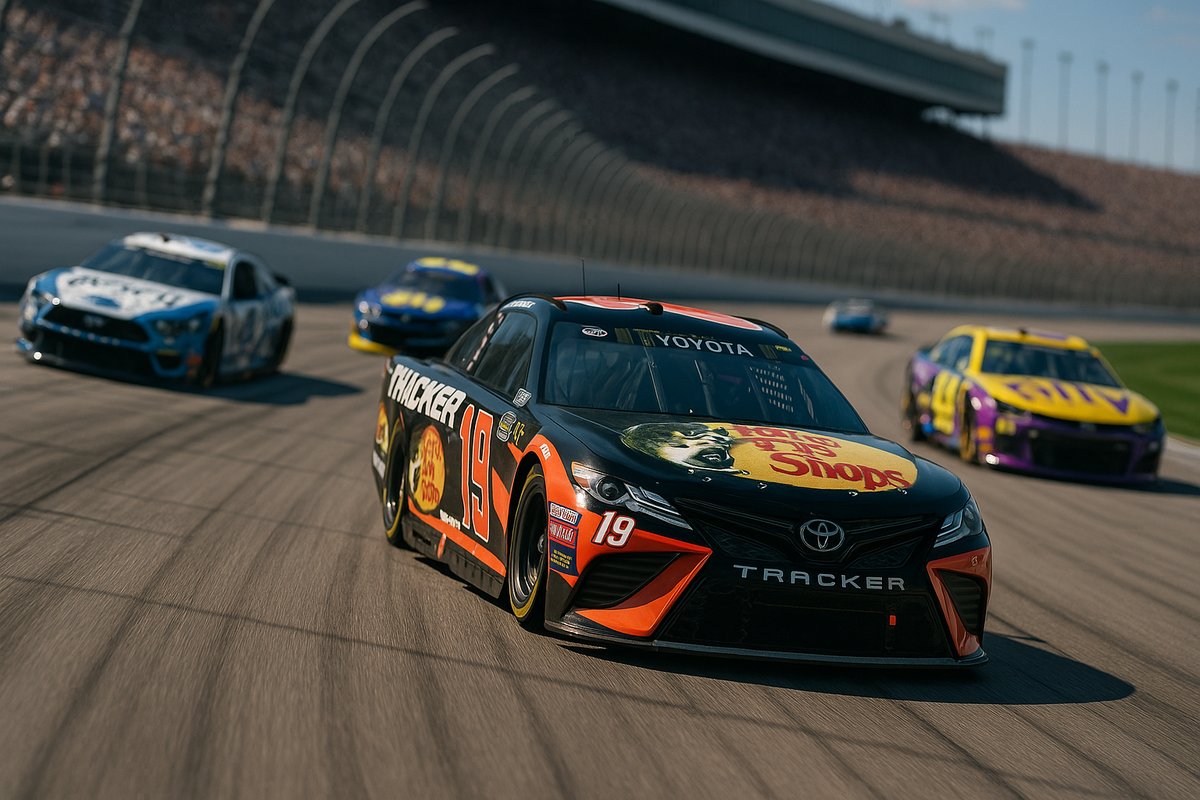
Martin Truex Jr.’s championship ledger reveals more than raw wins and poles—it highlights how calculated team strategy and sponsor alignment can turn a driver into a title contender even without the deepest pockets on the grid. From the pit lane perspective, his 2017 championship with Furniture Row Racing stands out as a masterclass in resource optimization, where every dollar from sponsors like Bass Pro Shops translated directly into engineering focus and race-day execution.
What teams don’t tell fans is that Truex’s consistency across seasons often masked the behind-the-scenes juggling of sponsorship cycles and manufacturer relationships. His career totals—multiple victories, top-five finishes that stacked up over time, and that lone Cup title—reflect a driver who maximized opportunities when the equipment and funding lined up. The business side of racing shows in how his move to Joe Gibbs Racing extended those numbers, bringing Toyota’s technical backing into the equation and stabilizing sponsor visibility across a broader schedule.
Sponsors pay close attention to these stats because they drive activation value. Truex’s ability to deliver top finishes kept partners like Auto-Owners Insurance and others front and center, proving that championship math isn’t just about points—it’s about protecting and growing those revenue streams season after season.
Martin Truex Jr. accumulated 34 NASCAR Cup Series wins over his career, with the majority coming during his tenure with Joe Gibbs Racing. His 2017 championship season alone produced 8 wins, establishing him as a legitimate threat in playoff scenarios. The significance of these victories goes beyond simple counting—each win represented mastery of different track types, from short tracks to superspeedways, demonstrating the versatility required to compete at NASCAR’s highest level. His ability to excel at venues like Charlotte Motor Speedway, Las Vegas Motor Speedway, and Bristol Motor Speedway showed he wasn’t a one-dimensional driver dependent on specific conditions.
The consistency narrative becomes clearer when examining Truex’s top-five and top-ten finish rates throughout his career. During his championship year in 2017, he recorded 19 top-five finishes out of 36 races—a remarkable 53% rate that illustrated how frequently he ran at the front of the field. This consistency is the backbone of championship runs; while flashy wins capture headlines, the ability to finish in the top-five week after week accumulates points faster than any other metric. Teams seeking sponsorship leverage this stat heavily because it proves a driver isn’t just occasionally competitive but reliably competitive.
Truex’s pole position record also merits examination in the championship conversation. While not as prolific as some competitors, his qualifying performances showed steady improvement throughout his career, particularly during the Joe Gibbs Racing years when access to better engineering resources accelerated his single-lap speed development. The relationship between qualifying success and race results isn’t perfectly linear—track position matters, but it’s not everything—yet front-row starts did provide Truex tactical advantages in fuel strategy and pit sequence during crucial playoff races.
The 2017 championship run deserves deeper analysis because it encapsulates everything Truex represents statistically. Leading 1,285 laps that season—more than any single competitor—illustrated how his team’s strategy and car setup translated into race control. Furniture Row Racing’s lean operation meant less redundancy in engineering but more focused problem-solving. Truex’s willingness to communicate mechanical feedback and adapt to engineering suggestions proved valuable in this environment. His championship points margin of 78 points over runner-up Kyle Larson demonstrated dominance without overwhelming advantage, suggesting he won through execution rather than equipment disparity.
Comparing Truex’s statistics to other contemporary drivers reveals interesting trends. While he never matched the raw win totals of some competitors like Kyle Larson or Chase Elliott, his consistency metrics—particularly top-five percentages across multiple seasons—ranked him among the elite. This demonstrates that different paths exist to championship contention; explosive speed in select races differs fundamentally from the grinding consistency that Truex epitomized. Teams with sponsorship-driven performance requirements actually prefer the Truex model because it produces predictable, marketable results.
The sponsorship metrics tied to Truex’s performances became increasingly sophisticated over his career. Teams began tracking “sponsorship impressions”—the cumulative television exposure and social media mentions generated by on-track performance. A consistent top-five finisher generates more sponsor value than someone with higher peaks and lower valleys because brands achieve more stable return on investment. Truex’s career arc shows he understood this implicitly, delivering steady performances that justified continued sponsor investment.
Examining Truex’s playoff performance statistics reveals another dimension of his championship worthiness. His ability to raise his game during the 16-race playoff format demonstrated mental toughness and competitive hunger. Playoff pressure eliminates casual competition; only drivers who thrive under elimination-style racing reach November. Truex’s playoff appearances and continued competitiveness into the later rounds showcased skills that raw season statistics sometimes undervalue.
The manufacturer element warrants discussion as well. Before joining Toyota at Joe Gibbs Racing, Truex competed with both Chevrolet and Toyota in different team configurations. His statistical improvement following the Toyota transition demonstrated how manufacturer support—through technical resources, R&D investment, and parts supply chains—directly influences on-track results. While Truex earned his achievements through talent and work ethic, the equipment evolution visible in his career statistics reminds fans that NASCAR remains a team sport where driver talent intersects with technological capability.
Truex’s retirement announcement in 2023 closed a career that generated some truly notable statistical milestones. His longevity in Cup Series competition—spanning nearly two decades—positioned him among drivers who witnessed and adapted to the sport’s significant rule changes. His statistics across different regulation packages illustrate how elite drivers maintain competitiveness despite evolving technical landscapes.