
Ross Chastain’\”s Aggressive Driving Style: The Heart-Pounding Thrill of NASCAR’\”s Boldest Driver
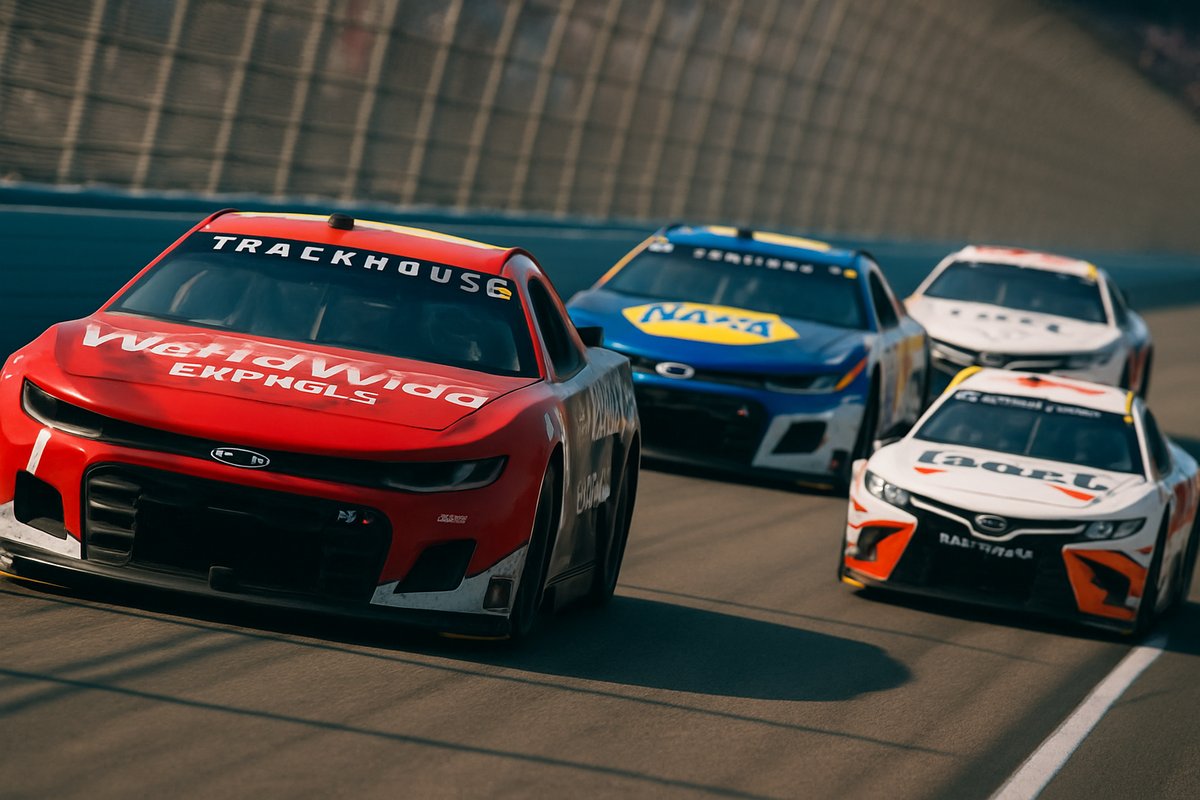
Ross Chastain’s approach on the track continues to generate significant discussion across the NASCAR garage, particularly when it comes to balancing raw aggression with the strategic demands of modern Cup Series competition. From the pit lane perspective, his willingness to treat every position as a must-win asset has turned him into a valuable commodity for teams looking to maximize both on-track results and sponsor exposure during high-visibility restarts.
Chastain’s path from Florida’s watermelon fields to a full-time Trackhouse Racing ride reflects the kind of grit sponsors appreciate when evaluating long-term partnerships. That agricultural background instilled a work ethic that now shows up in his refusal to lift in three-wide situations on superspeedways or during late-race charges. What teams don’t tell fans is that this style directly influences how crew chiefs allocate resources in the playoffs, often requiring adjustments to car setups that can protect primary sponsors’ branding even when contact becomes inevitable.
The physicality of Chastain’s racing style harks back to an earlier era of NASCAR when drivers like Dale Earnhardt Sr. earned their reputation through uncompromising wheel-to-wheel combat. However, modern safety regulations and the sanctioning body’s ongoing emphasis on competitive fairness mean that Chastain must navigate a fine line between thrilling aggression and crossing into territory that draws penalties or fines. His understanding of where that boundary lies—and his occasional willingness to test it—has become part of his identity as a competitor. This calculated approach has earned him respect from veteran drivers who recognize that true racecraft involves knowing when to go for it and when strategic patience pays dividends.
His signature moves, including the wall-riding Hail Melon at Martinsville, have become case studies in calculated risk-taking. On restarts, Chastain routinely gains multiple spots by committing to the inside line with minimal margin, a tactic that forces rival teams to recalibrate their own defensive strategies. These moments not only deliver the intensity fans seek but also create valuable highlight packages that extend sponsor reach beyond the race itself.
One of the most compelling aspects of Chastain’s driving philosophy is his mastery of superspeedway racing, where his aggressive tendencies find their most natural expression. At tracks like Daytona and Talladega, where pack racing creates opportunities for bold moves, Chastain has consistently positioned himself as a threat in the closing laps. His ability to read the flow of traffic, anticipate drafting opportunities, and execute daring passes has netted him multiple top finishes at these venues. The superspeedway game rewards drivers willing to take calculated risks, and Chastain’s comfort with that environment gives him a distinct advantage when the series visits these iconic facilities.
Beyond the high-speed straights and tight turns, Chastain’s technical proficiency deserves recognition. His communication with crew chief Phil Diaz has evolved into one of the more effective driver-crew chief partnerships in the garage, with Chastain’s detailed feedback helping the team extract maximum performance from the Chevrolet platform. His ability to articulate subtle changes in car balance and brake feel demonstrates that his aggression isn’t merely reckless abandon—it’s informed by a sophisticated understanding of vehicle dynamics and track conditions. This technical depth allows him to be aggressive in ways that are actually faster rather than simply more dramatic.
Rivalries with drivers such as Denny Hamlin and Kevin Harvick have added layers of drama that benefit the championship narrative. Post-race exchanges stemming from door-to-door battles and strategic blocking keep the series in the spotlight, something sponsors monitor closely when measuring return on investment. Trackhouse has leaned into this mindset, fostering a culture where bold decisions are weighed against points implications and the need to maintain clean images for partners.
The financial implications of Chastain’s driving style extend into how teams manage pit strategy throughout a race weekend. Aggressive drivers often require additional parts on hand due to potential contact-related damage, and crew chiefs must factor in the likelihood of late-race incidents when planning fuel and tire strategies. This isn’t a criticism but rather a practical reality that Trackhouse has adapted to with detailed contingency planning. The team has invested in their engineering department specifically to accommodate the unique demands of having a driver willing to push boundaries consistently.
Younger drivers are already studying Chastain’s lines and restart techniques, accelerating a shift toward more aggressive garage-wide approaches. His success, despite—or perhaps because of—his willingness to take calculated risks, has influenced how the next generation approaches competitive racing. Young drivers coming up through the Craftsman Truck Series and Xfinity Series now view controlled aggression as a necessary component of their development rather than a liability. This generational shift could fundamentally alter NASCAR’s competitive landscape over the coming years.
From a business standpoint, this evolution requires teams to plan for his presence as a wildcard factor, adjusting race strategies accordingly to protect both playoff positioning and the broader commercial interests tied to consistent performance. Marketing departments have recognized that Chastain’s bold style generates organic social media engagement and water cooler conversation that translates to increased viewership and sponsor awareness. His aggressive maneuvers frequently trend on social platforms in the hours following races, providing free promotion that money can’t always buy in traditional advertising.
Looking ahead, Chastain’s trajectory will likely be defined by his ability to channel his aggression into championship-caliber performances. The Cup Series has seen many aggressive drivers over the years, but those who achieve sustained success typically develop the maturity to recognize when circumstances demand a different approach. Chastain’s evolution in this regard—his growing ability to balance aggression with strategy—may ultimately prove more valuable than any single spectacular pass or confrontation. His future success will depend not on toning down his aggressive nature but on directing it with even greater precision and purpose as he continues his journey toward claiming a Cup Series championship.