
William Byron Ignites Hendrick Motorsports’\” NASCAR Revolution
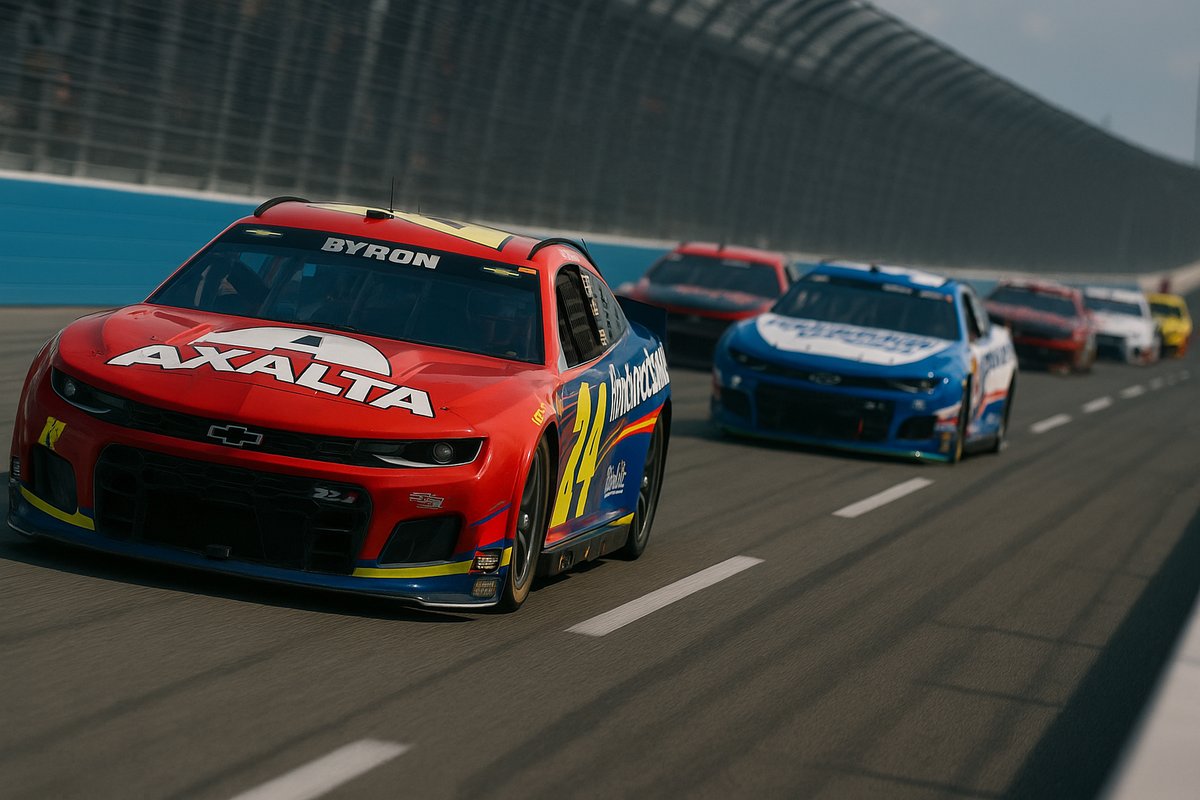
William Byron’s ascent at Hendrick Motorsports represents more than raw speed on the track—it’s a calculated alignment of driver talent, engineering resources, and sponsor-backed stability that’s reshaping the organization’s Cup Series positioning. From the pit lane perspective, this partnership has translated into measurable gains in both on-track execution and off-track valuation, where every top finish strengthens the case for renewed multiyear deals.
Byron entered the series with a resume built on lower-tier consistency, posting strong results through aggressive short-track lines and efficient tire management that kept equipment costs in check. Those early poles underscored his qualifying precision, a skill that directly impacts television exposure and sponsor impressions during pre-race segments. Hendrick recognized the long-term asset early, folding him into a system where data analytics and driver feedback loops converge to refine setups week after week.
The driver’s development pathway through Hendrick’s infrastructure has proven instrumental in accelerating his maturation as a full-time Cup Series competitor. Byron benefited from mentorship within the organization’s established culture, where veteran drivers and crew chiefs provided real-time counsel on everything from tire degradation patterns to fuel-mileage calculations under race conditions. This internal knowledge transfer system represents one of Hendrick’s most underutilized competitive advantages—the ability to compress learning curves through institutional memory and documented best practices accumulated across decades of championship-caliber racing.
What teams don’t tell fans is that these technical synergies often hinge on sponsor priorities. Byron’s input on chassis and aero packages has allowed the team to prioritize configurations that deliver both performance and the kind of camera-friendly results that keep primary partners like Axalta and Liberty University satisfied with their investment returns. The result is a car that responds predictably under pressure, turning split-second decisions into points that matter for playoff positioning and the associated marketing windfalls.
Byron’s performance metrics paint a compelling picture of improvement trajectory. His consistency in securing top-10 finishes week after week has stabilized his points accumulation, reducing the volatility that plagues less-developed drivers. This steady progression demonstrates that raw speed alone doesn’t guarantee success in NASCAR’s Cup Series—the ability to execute flawlessly across varied track conditions, manage tire wear over 400+ laps, and make strategic adjustments mid-race separates contenders from champions. Byron’s commitment to these fundamentals has resonated with Hendrick’s coaching staff, resulting in more aggressive setups that leverage his precision without compromising reliability.
Standout victories at superspeedways and road courses have come through a blend of on-track execution and precise strategy calls, including pit decisions made under tight windows. These moments don’t just fill trophy cases—they generate the highlight reels sponsors leverage for brand campaigns. Byron’s ability to lead come-from-behind efforts also reinforces Hendrick’s reputation as an organization that can develop talent into championship contenders, a narrative that aids in attracting both new sponsorship dollars and retaining top engineering talent.
The relationship between Byron and his crew chief exemplifies the kind of collaborative partnership that elevates performance. Clear communication about car handling characteristics, combined with the crew chief’s strategic vision for fuel conservation and tire management, creates a synchronized execution that separates winning teams from competitive ones. When Byron articulates that the car is tight in the high-speed corners or loose on exit from turns, the engineering feedback translates into tangible setup modifications that transform lap times. This two-way dialogue has become a hallmark of Hendrick’s operational excellence, where driver input shapes pit strategy decisions before the green flag even drops.
Byron’s plateau in previous seasons highlighted the importance of finding the right organizational fit. At Hendrick, he discovered a team culture that values incremental innovation—the kind of marginal gains philosophy that has powered multiple championship runs. Whether it’s shaving milliseconds from pit stop execution, optimizing DRS deployment on road courses, or identifying fuel-saving lines that don’t compromise pace, Byron’s partnership with his team unlocks performance that wouldn’t be possible in isolation. This systematic approach to competitive advantage mirrors strategies employed by dominant organizations across motorsports.
Beyond the cockpit, Byron’s leadership extends into garage-level strategy sessions where feedback on handling and power delivery informs adjustments that benefit the entire four-car stable. This culture of shared data has helped stabilize performance across lineups, reducing the variability that can erode sponsor confidence during long seasons. When one driver discovers a particular setup adjustment that yields lap-time gains, the information circulates through the engineering department, ensuring that complementary tweaks benefit the broader team. This collaborative framework has transformed Hendrick from a collection of individual operations into a unified competitive force.
The commercial implications of Byron’s success extend far beyond traditional sponsorship arrangements. Television networks benefit from his compelling narrative—a rising star proving himself at the highest level of professional motorsports. This storyline attracts casual viewers who might not otherwise follow Cup Series racing, expanding audience demographics that sponsors covet for their brand campaigns. Every victory reinforces Byron’s marketability and justifies increased investment from Hendrick’s partner companies seeking visibility with younger, more engaged NASCAR enthusiasts.
Looking at playoff positioning, Byron’s consistency has positioned Hendrick to field multiple championship contenders when the postseason arrives. His point accumulation creates strategic flexibility for the organization, allowing pit calls and fuel conservation strategies that prioritize either Byron’s advancement or supporting teammates in crucial moments. This kind of depth in driver talent reshapes playoff dynamics, where organizations with multiple strong contenders enjoy mathematical advantages unavailable to single-threat teams.
The ongoing collaboration points to a sustainable model: driver development paired with institutional resources that keeps Hendrick competitive while maximizing the commercial upside of consistent results. As the calendar advances, expect continued emphasis on the metrics that matter most in the boardroom—lap-time consistency, playoff advancement, and the incremental gains that protect multimillion-dollar partnerships. Byron’s trajectory demonstrates that long-term investment in driver development, backed by engineering innovation and strategic partnership management, generates returns that compound over years rather than weeks. In an era where NASCAR rewards consistency and technical sophistication equally, William Byron represents the blueprint for sustained competitive success at the sport’s highest level.