
Denny Hamlin’\”s Daytona 500 Legacy: Chasing NASCAR’\”s Ultimate Prize
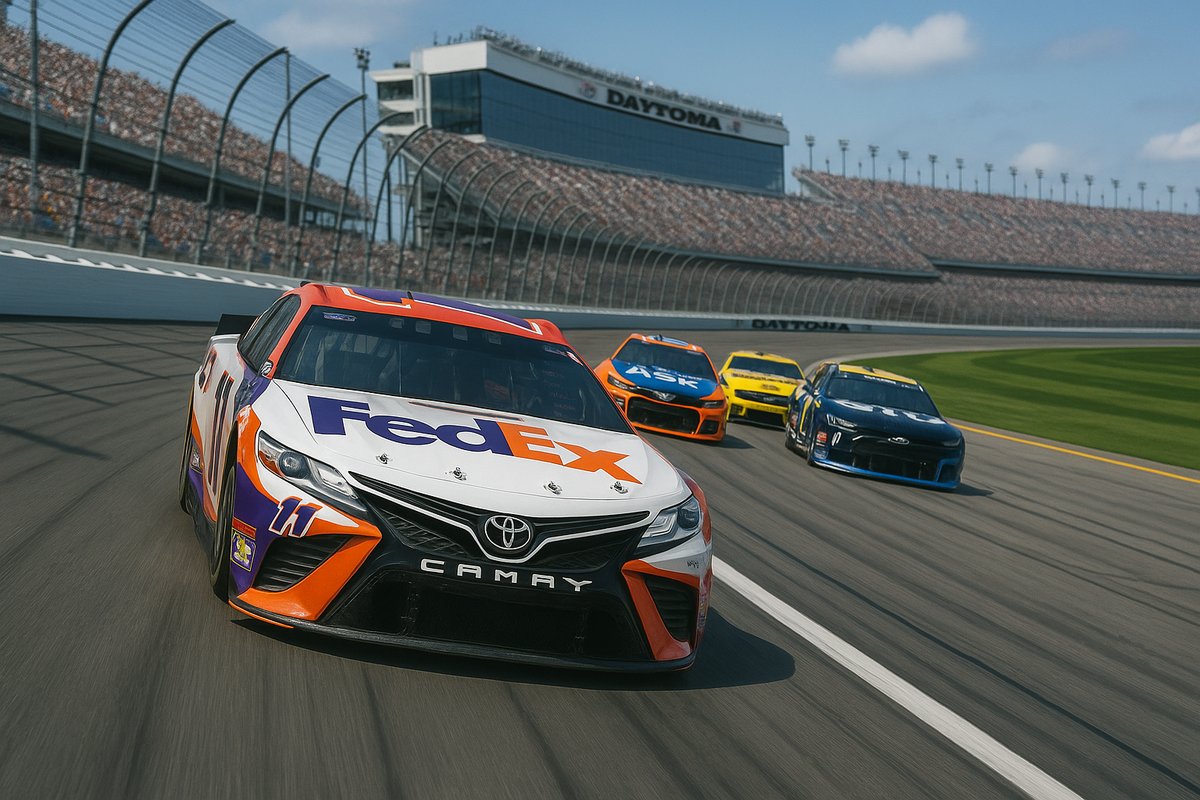
Denny Hamlin’s record at the Daytona 500 continues to shape how teams evaluate superspeedway performance and allocate resources across the season. His multiple victories reflect a calculated blend of restrictor-plate mastery and long-term partnership with Joe Gibbs Racing, where strategy sessions often prioritize sponsor visibility during the sport’s most-watched event.
From the pit lane perspective, what teams don’t tell fans is how early-season restrictor-plate testing directly influences sponsor activation budgets. Hamlin’s progression from mid-pack draft battles to late-race positioning required iterative adjustments in car setup and crew communication, turning potential liabilities into repeatable advantages that keep primary partners like FedEx aligned with race-weekend activations.
His signature wins illustrate the business case for experience at Daytona. One breakthrough victory came after refining push-and-pull tactics that maximized track position without excessive risk, while consecutive triumphs highlighted overtime execution that protected both the win and the equipment for downstream marketing obligations. These moments reinforced Hamlin’s value in negotiations around performance incentives and multi-year extensions.
Numbers from Hamlin’s Daytona ledger show consistent top-10 finishes and stage points that translate into tangible returns for the organization. Strong qualifying efforts in both the 500 and the Duel events reduce the variables that sponsors dislike, ensuring cleaner narratives for broadcast integrations and hospitality programs.
Hamlin’s place among the elite group of multi-time Daytona 500 winners places added pressure on team strategists to balance aggressive drafting with the preservation of assets that carry forward into the championship hunt. Younger competitors bring speed, yet the proven chemistry between driver, crew chief, and engineering staff continues to deliver measurable edges in a venue where one miscalculation can erase weeks of sponsor momentum.
With three Daytona 500 victories to his name, Hamlin has positioned himself among NASCAR’s most successful drivers at the sport’s premier event. These wins span multiple eras of rules changes and competition evolution, demonstrating his adaptability as both the sport and technology have advanced. His first victory in 2016 came during a particularly competitive era, while subsequent wins in 2019 and 2023 showed his ability to remain competitive against younger, emerging talent within the series.
The significance of Hamlin’s Daytona success extends beyond individual race outcomes. Each victory has contributed meaningfully to Joe Gibbs Racing’s organizational prestige and commercial value. Sponsors recognize that their investment in Hamlin’s No. 11 car receives unparalleled exposure during Daytona 500 weekend, which draws approximately 100,000 spectators trackside and millions of viewers worldwide. The race’s cultural prominence in American sports ensures that a Daytona 500 win transcends typical NASCAR coverage, appearing in mainstream sports media and generating secondary marketing opportunities for team partners.
Restrictor-plate racing presents unique technical challenges that separate experienced operators from the field. The limiting of engine airflow through plate restrictions creates a compressed competitive range where aerodynamics and drafting become exponentially more important than horsepower. Hamlin’s success in these conditions reflects years of accumulated knowledge about how to position a car within the draft line, when to attempt passes, and how to communicate with teammates who might assist in push-and-pull maneuvers. This expertise cannot be replicated quickly; it requires multiple seasons of deliberate practice and thousands of laps at Daytona and Talladega.
The role of pit crew execution during Daytona 500 competition cannot be overstated. Four-tire stops during cautions must be completed in approximately 12 seconds to maintain track position, and Hamlin’s crew has consistently ranked among the fastest in the garage. Equipment failures or slow stops have ended many promising runs over the years, which is why Joe Gibbs Racing invests heavily in pit crew training and development specifically for superspeedway events. The choreography between jack men, tire changers, and the catch-can operator becomes rhythmic and automatic, allowing the team to gain crucial positions during fuel-and-tire cycles that determine late-race positioning.
Weather conditions at Daytona significantly impact race strategy and outcomes. The track’s unique characteristics—including high banking and a relatively long straightaway—create specific aerodynamic conditions that vary based on temperature, humidity, and wind direction. Experience reading these conditions and adjusting setup accordingly provides veterans like Hamlin with decision-making advantages in real time. A car that’s perfectly balanced in morning practice might require significant adjustments by afternoon qualifying or the race itself, and understanding these nuances helps experienced drivers maintain competitive position throughout the event.
The Duels races held on Thursday before the Daytona 500 serve as both a qualifying event and a testing ground for race-day strategy. Hamlin’s success in the Duels has earned him favorable starting positions multiple times, reducing the need for aggressive driving in the early laps when contact is most likely. Starting position can mean the difference between running in clean air or fighting through the pack, and Hamlin’s consistency in the Duels reflects his overall mastery of superspeedway conditions.
Hamlin’s rivalry and strategic partnerships with other drivers at Daytona have also shaped his legacy. Building trust with teammates at Joe Gibbs Racing and recognizing which competitors will honor unspoken agreements about pushing and blocking creates a network of allies crucial to late-race execution. These relationships developed over years of competition and off-track communication cannot be established overnight, giving veterans a tangible advantage over newcomers regardless of raw speed.
Looking ahead, Joe Gibbs Racing’s investment in data-driven restrictor-plate packages positions Hamlin to pursue additional history while protecting the commercial interests that sustain the operation year-round. As NASCAR continues evolving its technical regulations and aerodynamic packages, the institutional knowledge that Hamlin brings to the team ensures that the transition to new specifications doesn’t eliminate the team’s competitive advantages. His ongoing pursuit of additional Daytona 500 victories remains one of the most compelling storylines in contemporary NASCAR, representing the intersection of individual excellence, organizational commitment, and the enduring significance of motorsport’s most iconic race.