
Brad Keselowski’\”s Epic NASCAR Racing Career: A Driver’\”s Journey
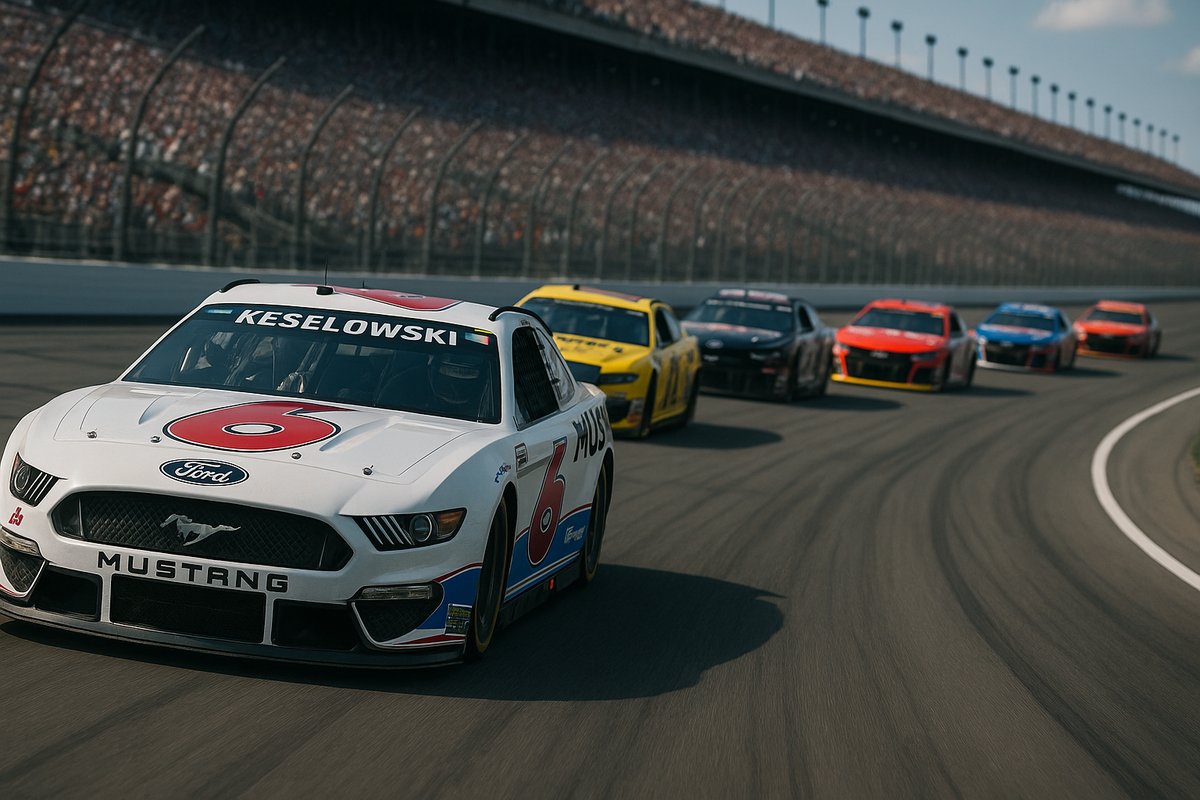
The roar of engines echoing through the infield, that sweet scent of burning rubber hanging in the Southern air, and those wheel-to-wheel battles at 200 miles an hour — that’s what Brad Keselowski’s journey through NASCAR has always been about. From his dirt-track roots all the way to hoisting that Sprint Cup trophy, this Pennsylvania native built a legacy on raw talent, fearless moves, and the kind of grit that keeps every fan on the edge of their seat lap after lap. Growing up in Charlotte, NASCAR wasn’t a hobby — it was life, and boys like Keselowski remind me why we still pack the grandstands at places like Daytona and Talladega.
My grandfather watched this sport get built from the ground up around here, hauling us kids to short tracks before the big superspeedways even had all their lights installed. Keselowski burst onto the scene with that aggressive style that made you sit up and take notice right away. His early years were a blur of short-track wars and those developmental series where he sharpened the skills that would later own the Cup level. Fans could see right off he wasn’t scared to mix it up door-to-door for every position.
Before the bright lights of NASCAR hit him full force, Keselowski cut his teeth on those local circuits across the Midwest, racing anything with wheels and learning car control that still serves him well on the big tracks today. Those grassroots fights taught him tire management and how to sling a bold pass when the pressure’s on, the same way we learned it trackside in Charlotte back in the day. Starting out in short-track racing gave him invaluable experience that most drivers never get anymore. He learned how to feel a racecar through every inch of track, understanding throttle control and reading traffic patterns that would become his trademarks at the national level.
His jump to the Truck and Xfinity Series hit like a lightning bolt. Multiple wins in the Trucks showed he could lead laps and close out races. Moving up to Xfinity, he stacked victories that proved he was ready for the big show, and the top teams started circling like hawks for that young talent. In the NASCAR Craftsman Truck Series, Keselowski demonstrated the kind of fearlessness that separates the good drivers from the great ones. He wasn’t just racing to collect paychecks — he was there to win, and his aggressive approach earned respect from competitors who understood that kind of hunger. His transition through the feeder series was remarkably clean, a testament to his work ethic and adaptability to different vehicles and competition levels.
Joining Team Penske kicked his career into high gear. That partnership gave him the front-running cars and the sharp strategy from the crew that turned strong qualifying runs into podium finishes week after week. Consistency became his calling card — while others chased the flashy stuff, Keselowski just kept stacking stage points and playoff spots. That no-nonsense racecraft helped Penske lock up manufacturer honors and kept the team right in the hunt every season. The team’s resources and winning culture provided exactly what Keselowski needed to elevate his game to championship contention levels. Working with top-tier engineers and strategists, he refined his feedback skills and learned how to communicate what the car needed in ways that translated directly into lap-time improvements.
Few drivers have delivered the heart-pounding moments Keselowski has stacked up. Last-lap passes at restrictor-plate tracks like Daytona and Talladega, those fuel-mileage masterclasses — every year brought new theater that had us all yelling at the TV. His ability to perform under pressure in those high-stakes moments became legendary among the fanbase. Whether it was a desperate fuel-mileage gamble that somehow worked out or a perfectly-timed pass coming to the checkered flag, Keselowski had a knack for making the most dramatic moments his stage. These weren’t just lucky breaks either — they came from his deep understanding of track position, fuel consumption rates, and when to make his move.
Crowning his breakout run, he grabbed the 2012 title with a blend of pure speed and smart racing that outdueled the legends in the final Chase races. That championship season showcased everything Keselowski brought to the table: aggressive racecraft, intelligent strategy calls, and the mental toughness needed to handle the pressure of a Cup Series championship hunt. He didn’t win the title with a dominant car every week but rather through consistency, smart points management, and capitalizing when opportunities presented themselves. That victory lap still ranks as one of the most emotional ones in modern Cup history, the kind that makes you remember why we love this sport. The redemption arc of that championship run — coming so close in previous years before finally breaking through — resonated with fans everywhere who understood the dedication required to reach that pinnacle.
Since his championship season, Keselowski has continued to be a fixture in the Cup Series playoff picture. His record of consistency speaks volumes about his professionalism and dedication to the craft. Even in seasons where the overall car package wasn’t as dominant, his racecraft allowed him to extract maximum performance and secure playoff spots that keep him in contention year after year. This level of sustained excellence is harder to maintain than a single dominant season, yet Keselowski has managed it through sheer will and expertise.
Stepping over to RFK Racing as driver-owner lit a fresh fire under him. He poured everything into building that program from the ground up, testing his leadership while never lifting his foot off the gas on Sundays. This transition marked a significant chapter in his career, one that demonstrated his understanding extended beyond just driving fast cars. As an owner, Keselowski had to think about budgets, sponsor relationships, hiring the right personnel, and building a team culture that could compete against NASCAR’s most well-funded organizations. Whether it’s strategic tire work on long runs, building chemistry with the young guys, adapting to new aero rules, or mentoring the next wave of drivers, Keselowski keeps RFK in those playoff talks through sheer determination. His role as an owner-driver has added another dimension to his legacy, showing he understands the business and human elements that make competitive racing programs function at the highest level.
His influence extends beyond just the racetrack as well. Keselowski has been vocal about driver safety improvements, rule changes, and the evolution of the sport. He brings a valuable perspective as someone who has competed successfully across multiple eras of NASCAR, understanding both the traditional approaches and the modern innovations that are changing the sport. His insights have been sought by sanctioning bodies and team owners looking to improve the racing product and athlete welfare.
His whole career stands as a blueprint for success in today’s stock car world. That mix of old-school grit and forward-thinking prep inspires kids dreaming of their own ride. Beyond the wins, he’s helped shape how teams handle data, sponsors, and fans. He understood early on that modern NASCAR success required more than raw driving talent — it demanded professionalism in how you interact with team members, sponsors, and the media. Whether he’s battling for a win at Daytona or grinding through traffic at Martinsville, Keselowski races with the same fire that started it all. As long as he’s out there, you know the thrilling moments are coming.
Looking at the trajectory of his career, it’s clear that Keselowski’s impact on NASCAR will extend well beyond his years behind the wheel. His transition to ownership, his mentoring of younger drivers, and his willingness to engage with the sport’s evolution position him as a figure who will shape racing for years to come. The competitive fire that made him a champion driver translates into building winning programs and developing the next generation of talent. That’s the real measure of greatness in this sport — not just what you accomplish yourself, but what you leave behind for those who come after you.