
Best NASCAR Tracks for Overtaking Action
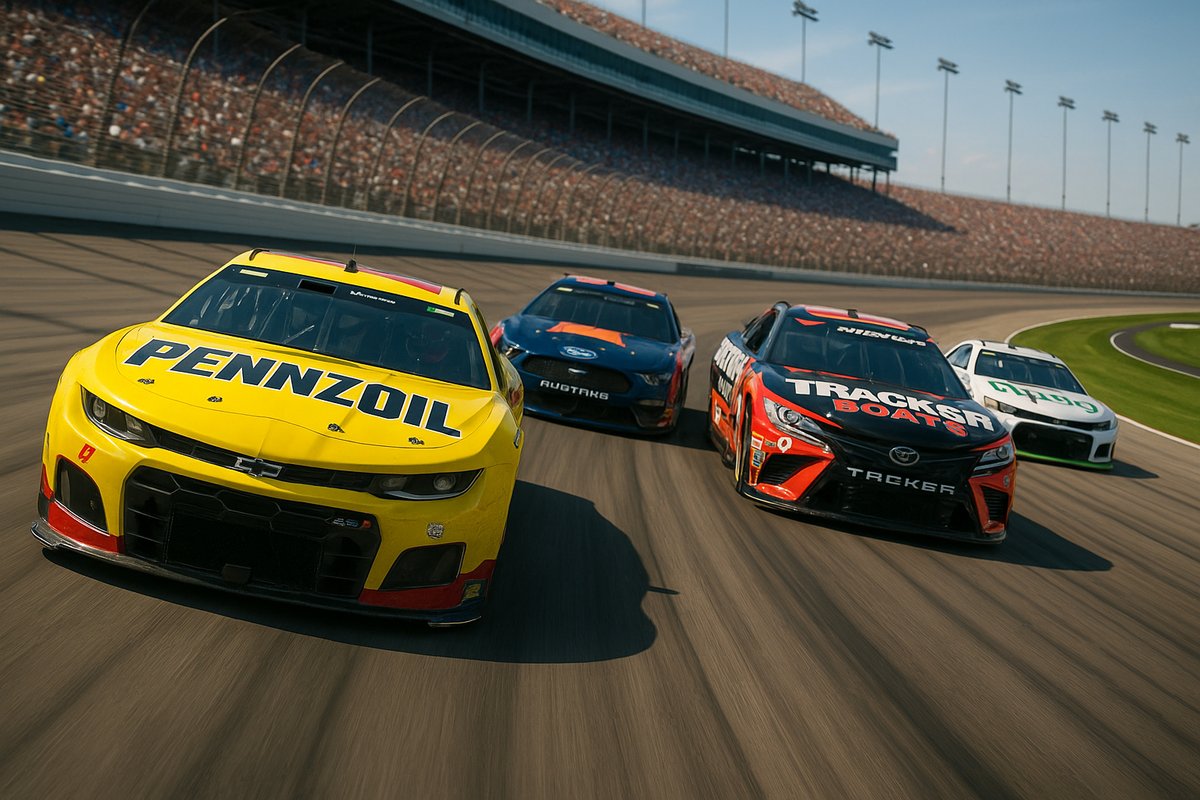
When fans search for the best NASCAR tracks for overtaking action, they often point to venues where passing is frequent and races stay unpredictable from green flag to checkered flag. In the NASCAR Cup Series, certain circuits consistently deliver high numbers of lead changes and position swaps thanks to their layouts, banking, and aerodynamic rules. From the pit lane perspective, these spots also drive sponsor ROI through extended TV exposure during side-by-side battles that keep viewers glued to the broadcast. What teams don’t tell fans is how strategic decisions around when to push for a pass can directly influence next season’s sponsorship negotiations.
Superspeedways remain the gold standard for overtaking in NASCAR. The combination of high speeds, restrictor-plate racing, and the two-car draft allows drivers to slingshot past competitors with precision timing. Daytona International Speedway has hosted some of the most memorable passing displays in Cup Series history, including the 2020 Daytona 500 where multiple lead changes occurred in the final ten laps alone. From a business angle, the constant pack racing here maximizes billboard time for primary sponsors like those backing Hendrick Motorsports entries.
At Daytona, the tri-oval layout and 31-degree banking create ideal conditions for packs of cars to run nose-to-tail. Drivers like Chase Elliott and Bubba Wallace have mastered the art of using the draft to gain positions during long green-flag runs. Historical data shows an average of over 50 lead changes in many Daytona Cup races, far exceeding most other venues. The track’s unique tri-oval also forces strategic decisions on when to attempt a pass versus conserving momentum for the final push. Team strategists know these moments can swing championship points that attract new corporate partners.
Talladega Superspeedway takes drafting to another level with its 2.66-mile length and steep 33-degree banking. The track regularly produces the highest number of position changes per race in the Cup Series. Notable drivers such as Brad Keselowski and Ryan Blaney have used the massive straightaways to execute daring three-wide passes that keep fans on the edge of their seats. Talladega’s reputation for chaos and constant overtaking stems from its sheer size, allowing multiple drafting lines to form simultaneously. Sponsor dynamics shift here too, as multi-car alliances often form to protect painted schemes during extended green runs.
Short tracks bring a completely different style of overtaking to the Cup Series calendar. Tight corners and narrow racing surfaces reward drivers who can execute clean slide jobs or use lapped traffic as blockers. Bristol Motor Speedway stands out as a premier short-track venue where passing happens constantly both high and low on the banking. What teams don’t tell fans is how the concrete surface amplifies tire strategy calls that can make or break a mid-pack sponsor’s visibility goals.
Bristol’s concrete surface and 36-degree turns create an environment where drivers must be precise yet aggressive. Kyle Busch and Denny Hamlin have both recorded multiple wins here by capitalizing on late-race restarts that produce waves of position swaps. The half-mile layout ensures that even small mistakes open doors for competitors to overtake, keeping the field tightly bunched throughout each event. From the pit lane perspective, these restarts turn into calculated risks that teams weigh against potential DNFs affecting season-long marketing campaigns.
Intermediate speedways blend elements of both superspeedways and short tracks, offering drivers multiple racing lines for overtaking. Kansas Speedway and Las Vegas Motor Speedway frequently rank among the best NASCAR tracks for overtaking action because their progressive banking allows inside and outside passes throughout long runs. These venues reward crew chiefs who balance fuel and tire strategy to create late-stage overtakes that boost team standings and, by extension, their appeal to title sponsors.
At Kansas, the 1.5-mile layout rewards drivers who manage tire wear effectively, opening windows for late-race passes. Martin Truex Jr. has historically excelled here by timing his moves perfectly during the final stage. Las Vegas provides similar opportunities with its wide racing surface that accommodates side-by-side racing for extended periods. These tracks produce consistent lead changes without relying solely on superspeedway drafting or short-track bumping. Business-wise, the multi-groove action translates to steadier on-screen sponsor impressions across a full stage.
Key facts and statistics include Daytona and Talladega averaging 45-plus lead changes per Cup Series race over the past five seasons, Bristol Motor Speedway recording 78 official passes for the lead in the 2023 Food City 500, Kansas Speedway seeing an average of 32.4 lead changes per event since the 2022 repave, Talladega holding the modern-era record for most lead changes in a single Cup race with 88, intermediate tracks like Las Vegas producing 25 percent more green-flag passes than road courses on average, and drivers with the highest overtake success rates at these tracks including Chase Elliott and Tyler Reddick.
The best NASCAR tracks for overtaking action combine unique track characteristics with strategic elements that reward skilled drivers. Whether it’s the high-speed drafting at Daytona and Talladega, the aggressive contact at Bristol, or the multi-groove racing at Kansas and Las Vegas, these venues guarantee fans nonstop position battles. As the Cup Series continues to evolve with new car packages, these tracks will remain central to delivering the passing spectacle that defines exciting NASCAR racing while sustaining the sponsor ecosystems that keep teams competitive.