
Comparing NASCAR With Formula One Racing Styles
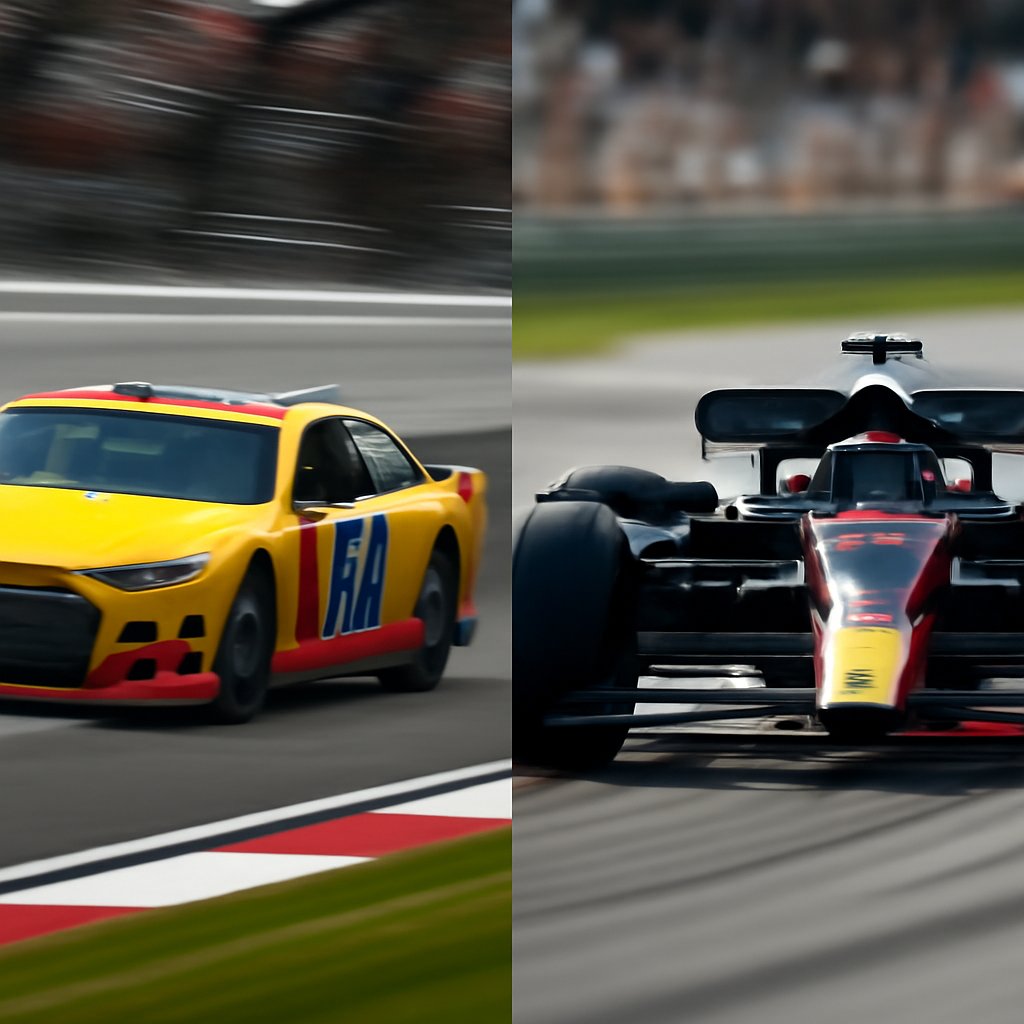
From the pit lane perspective, comparing NASCAR Cup Series competition with Formula One highlights two powerhouse series that approach speed, strategy, and fan engagement in very different ways, each shaping the business of motorsport through sponsorship activation and team economics. While Formula One leans on open-wheel precision across road courses, NASCAR thrives on high-contact oval battles with stock cars, influencing everything from driver contracts to how sponsors maximize their ROI on race day.
Vehicle design and aerodynamics reflect those priorities. NASCAR Cup Series machines emphasize durability and close-quarters racing over pure aerodynamic efficiency. These stock cars use heavy steel tube frames, large spoilers, and restrictor plates that control speeds while encouraging drafting and pack racing at superspeedways like Daytona and Talladega, setups that also create valuable real estate for sponsor logos visible from multiple angles. Formula One cars, by contrast, are lightweight carbon-fiber constructions built for maximum downforce and cornering grip, allowing blistering speeds through tight chicanes, though their complex wings generate dirty air that complicates following traffic and can limit on-track passing opportunities that sponsors love to see.
What teams don’t tell fans is how these engineering choices tie directly into sponsor dynamics. Modern NASCAR Next Gen cars, introduced in 2022, balance roughly 670 horsepower with reinforced safety features, enabling the aggressive yet calculated moves that reward drivers like Kyle Larson and Denny Hamlin. That physicality keeps races exciting for partners who value sustained visibility during long green-flag runs. Formula One’s hybrid power units exceeding 1000 horsepower, paired with ground-effect aerodynamics, demand precise tire management and favor calculated overtakes rather than door-to-door contact, a style that appeals to premium global sponsors seeking technical showcases.
The hybrid power unit technology in Formula One represents a significant divergence in engineering philosophy. These systems combine a 1000+ horsepower internal combustion engine with dual electric motors—one recovering kinetic energy under braking and another capturing heat energy from exhaust gases. Drivers must manage energy deployment strategically throughout races, adding another layer of tactical complexity. NASCAR’s naturally aspirated engines, while simpler mechanically, demand skill in managing fuel consumption and tire degradation across marathon-length races, creating opportunities for bold strategic calls that can swing 500-mile events like the Daytona 500 in the final laps.
Track layouts drive further strategic divergence. NASCAR events center on ovals from short tracks like Bristol to 2.5-mile venues, where team strategy hinges on fuel mileage, tire management, and pit calls under caution periods that can swing outcomes and protect sponsor investments in equipment. Formula One spans road and street circuits worldwide, testing adaptability to elevation changes and weather while relying on data analytics for tire compounds and DRS zones. In NASCAR, multi-car alliances often form for drafting gains, with late-race restarts creating the chaos that draws massive television audiences and boosts partner exposure.
One crucial distinction lies in how caution periods reshape racing dynamics. NASCAR’s yellow flags for accidents, debris, or weather create “lottery moments” where pit strategy becomes paramount—teams gamble on fuel conservation, pit stop timing, and tire choice during restarts that can occur multiple times per race. This unpredictability has defined legendary finishes at tracks like Bristol Motor Speedway, where aggressive restarts frequently produce last-lap contact and spectacular passes. Formula One races run green-flag racing whenever possible, with safety cars deployed for hazards but rarely triggering the strategic avalanche NASCAR fans know. The result is vastly different race narratives: NASCAR emphasizes redemption through caution timing while Formula One rewards consistent execution throughout 200+ lap events.
From the pit lane perspective, oval dynamics reward veterans who master throttle control and spotter communication, turning potential wrecks into bold passes at speeds over 200 mph. Road-course precision in Formula One instead demands perfect braking points and clean air, with weather shifts forcing split-second calls that separate championship contenders. Both place heavy physical demands on drivers, though NASCAR’s 35-race season and sustained high G-forces on banking emphasize neck strength and endurance, while Formula One cockpits create extreme heat challenges under lateral forces exceeding 5G.
Driver development pathways also diverge significantly between the two series. Formula One typically recruits from junior single-seater categories—Formula 2, Formula 3, and regional championships—where drivers spend years mastering road-course techniques on tracks like Monaco and Singapore. NASCAR’s pipeline traditionally flows through short-track racing across America, where drivers cut their teeth on side-by-side competition and learn the physicality of wheel-banging that defines Cup Series racing. This explains why some drivers struggle crossing over: an accomplished Formula One driver may lack the oval-racing instincts needed for pack racing, while successful NASCAR drivers often find Formula One’s technical precision and lack of contact opportunities disorienting. The few drivers who’ve succeeded in both series—Fernando Alonso competing in the Daytona 500, for example—are celebrated precisely because they bridge these vastly different skill sets.
Key facts underscore the contrast: NASCAR Cup Series races average 3-4 hours versus Formula One events typically under 2 hours; top speeds reach 200-plus mph on restrictor-plate tracks while Formula One hits 230 mph on straights like Monza; NASCAR runs 36 points-paying races per season against Formula One’s 24 events in 2024; average Cup car weight exceeds 3300 pounds compared to Formula One’s 1700-pound minimum; drafting can improve NASCAR fuel efficiency by up to 20 percent; Formula One generates over five times more downforce than NASCAR at similar speeds; pit stops average 12-15 seconds in NASCAR versus under 2 seconds for Formula One tire changes; and superspeedway races produce an average of 25 lead changes, exceeding most Formula One events.
Television viewership patterns reveal how these differences resonate with audiences. NASCAR races consistently deliver 3-5 million American viewers for Cup Series events, with superspeedway spectacles like the Daytona 500 reaching 8+ million. Formula One commands a global audience exceeding 400 million viewers per season, though individual race viewership often trails NASCAR’s domestic numbers. The disparity reflects geography and marketing: NASCAR dominates American motorsport consciousness through regional roots and accessibility, while Formula One’s multinational calendar and premium positioning attract international audiences willing to watch races at unusual hours.
Tire strategy deserves deeper examination in this comparison. NASCAR uses Goodyear Eagle tires manufactured to a single specification per track, removing variables but demanding drivers maximize grip through setup adjustment and driving technique. Teams employ tire pressure monitoring and wear patterns to predict degradation, but fundamentally work within strict parameters. Formula One permits multiple tire compounds—soft, medium, and hard—requiring teams to predict weather, fuel load, and competitor strategy to choose which tires to mount for different race stints. This compounds complexity: a Formula One strategist might pit for mediums on lap 15 while competitors choose softs, banking on track temperature changes that won’t materialize, costing positions. These tactical chess matches appeal to technically-minded fans but reduce the raw unpredictability that casual NASCAR spectators crave.
Sponsorship activation opportunities further illuminate the series’ divergent appeals. NASCAR’s sustained visibility during extended races—with lengthy green-flag runs and caution periods that keep cars stationary in frame for television cameras—provides steady sponsor logo placement. A major sponsor’s decal remains visible for hours on television and in-person, creating consistent marketing ROI. Formula One’s shorter race windows and dynamic camera work emphasize driver/constructor branding and technological achievement, attracting luxury partners (watches, automotive manufacturers, beverages) seeking association with premium global positioning rather than grassroots American audience accessibility.
Ultimately these differences deliver distinct value propositions. NASCAR’s oval format and robust stock cars create relentless action and accessible rivalries that help teams secure long-term sponsorships through consistent visibility, while Formula One offers technical mastery and global reach that attracts high-end partners. Fans of Cup Series racing recognize how both approaches drive innovation in vehicle technology, driver development, and the commercial side of the sport. Understanding these nuances deepens appreciation for why neither series dominates the other—they serve fundamentally different audiences seeking different motorsport experiences, each legitimate and compelling in its own right.