
Denny Hamlin Daytona 500 Wins Record: Mastering the Great American Race
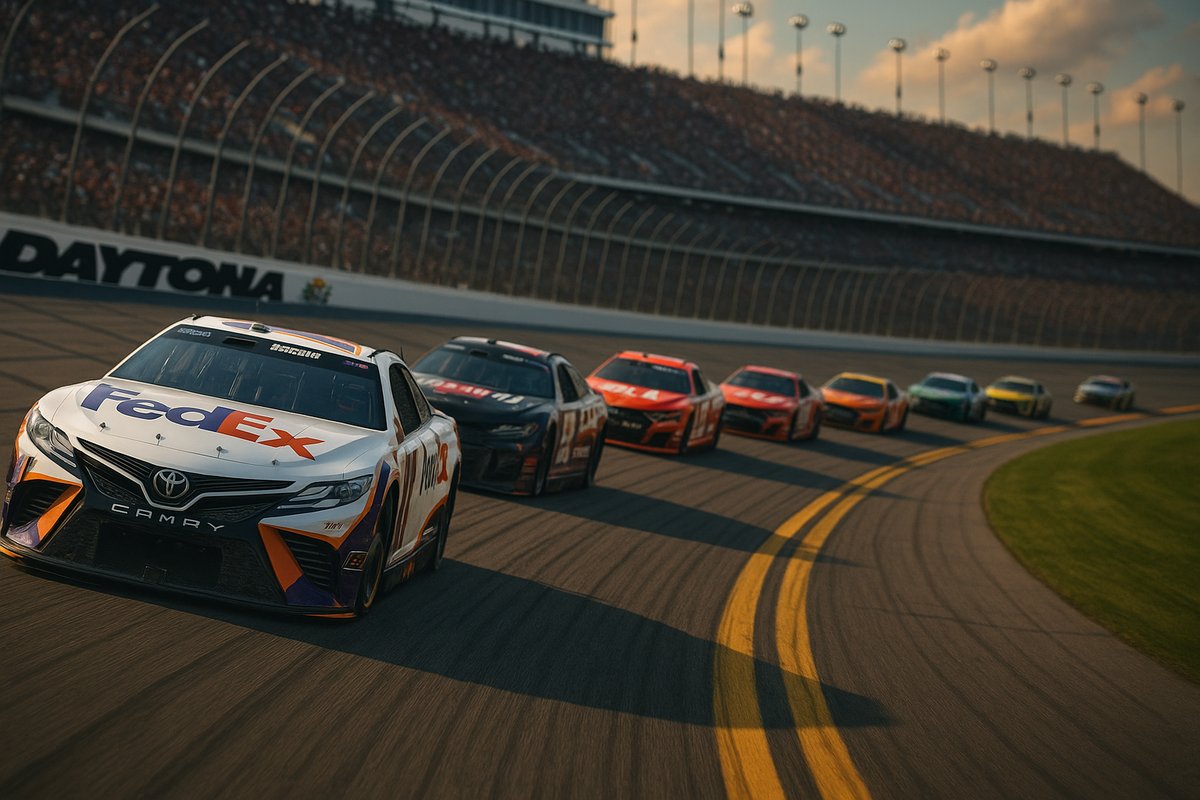
Denny Hamlin’s latest Daytona 500 triumph underscores how Joe Gibbs Racing continues to optimize its superspeedway program around long-term sponsor objectives. With FedEx’s branding front and center, the team’s strategy focused on conserving resources early while positioning the No. 11 for late-race positioning, a calculated approach that protects both on-track performance and the commercial value delivered to partners.
Hamlin’s record at Daytona speaks volumes about his mastery of one of NASCAR’s most unpredictable and prestigious events. The Daytona 500 has crowned champions for over 60 years, yet few drivers have achieved the consistency that Hamlin demonstrates at the 2.5-mile oval. His multiple victories in NASCAR’s marquee event showcase not only exceptional driving skill but also an innate understanding of the unique dynamics that make Daytona different from every other track on the NASCAR schedule.
From the pit lane perspective, what teams don’t tell fans is that these restrictor-plate events often hinge on pre-race alliances and fuel-window math more than raw horsepower. Hamlin’s crew executed clean stops that kept the car in the draft cycle without burning extra tires, directly supporting the kind of repeatable results sponsors expect when they commit multi-year deals. The precision required during pit stops at Daytona cannot be overstated—a single miscalculation in fuel consumption or tire strategy can cost positions that are nearly impossible to recover in the closing laps.
The superspeedway racing environment at Daytona fundamentally differs from traditional oval-track competition. Restrictor plates, mandated by NASCAR for safety reasons, limit engine power output and force teams to rely heavily on aerodynamic positioning and drafting techniques. This equalizes performance across the field in ways that make strategy and driver awareness exponentially more valuable than qualifying speed. Hamlin has developed an almost sixth-sense awareness for reading traffic patterns and identifying when to make moves or when to conserve fuel and tires for the final laps.
Team coordination plays an equally critical role in Daytona success. Joe Gibbs Racing’s multi-car strategy allows teams to position their vehicles strategically throughout the race, creating scenarios where one car can assist another by providing a push or creating advantageous draft positions. This synchronized approach has become increasingly sophisticated, with teams using radios, pit-box communication, and real-time data analysis to orchestrate complex tactical maneuvers during green-flag racing and stage breaks.
The business side of the Great American Race rewards consistency. Hamlin’s record-extending wins at Daytona strengthen JGR’s negotiating position with both existing backers and new prospects eyeing high-visibility platforms. It also highlights how driver experience at this track translates into measurable ROI through increased media impressions and hospitality activations. The Daytona 500 commands unprecedented television ratings within NASCAR, drawing casual fans and mainstream media attention that extends far beyond the hardcore racing community. When a driver wins multiple times at Daytona, that success becomes embedded in their personal brand and marketability.
Understanding fuel strategy at Daytona requires recognizing that every mile-per-hour of speed carries a corresponding fuel consumption rate. Teams must calculate not only how many laps their fuel load will carry but also account for variables such as caution-flag timing, pit-stop efficiency, and whether they’ll need to save fuel or can afford to push harder in pursuit of track position. Hamlin’s experience allows him to manage these variables intuitively, maintaining pressure on competitors while never pushing so hard that he risks running out of fuel in the final laps. This balance between aggression and restraint separates champions from also-rans at superspeedway events.
Weather conditions at Daytona can shift dramatically throughout race day, affecting everything from track temperature and grip levels to wind direction and its impact on aerodynamics. Drivers who understand how to adjust their approach as conditions evolve gain significant advantages. Hamlin’s multiple victories suggest he has developed an exceptional ability to read these environmental cues and communicate effectively with his crew about how the car feels under changing circumstances.
The mental aspect of Daytona racing cannot be overlooked. The Daytona 500 carries historical weight and prestige that creates psychological pressure. Drivers speak frequently about the unique intensity of competing in the Great American Race, knowing that a single accident, mechanical failure, or strategic miscalculation can end their day. Hamlin’s composure under these high-pressure circumstances, combined with his decision-making processes during critical moments, demonstrates the mental toughness required to win multiple times at this venue.
What stands out is the way Hamlin and his team treat Daytona not as a singular spectacle but as a recurring revenue and branding opportunity. Strategy calls that prioritize clean air and partner-friendly finishes pay dividends well beyond the checkered flag, something every organization in the garage is watching closely as the season progresses. The success Hamlin achieves at Daytona creates momentum that carries into subsequent races, boosting team morale and providing confidence that carries through the season. Additionally, successful Daytona performances attract media scrutiny and fan engagement that translates into enhanced sponsorship value and increased ticket sales for other events.
For aspiring drivers and racing enthusiasts, studying Hamlin’s approach to superspeedway racing offers valuable lessons. His success results from a combination of mechanical sympathy, strategic thinking, disciplined aggression, and exceptional communication with his crew. Young drivers who wish to excel at Daytona and other superspeedway venues would be wise to develop similar skill sets and mindsets, recognizing that superspeedway racing rewards different qualities than traditional high-speed oval or road-course competition.