
How Crew Chiefs Shape Winning Race Plans
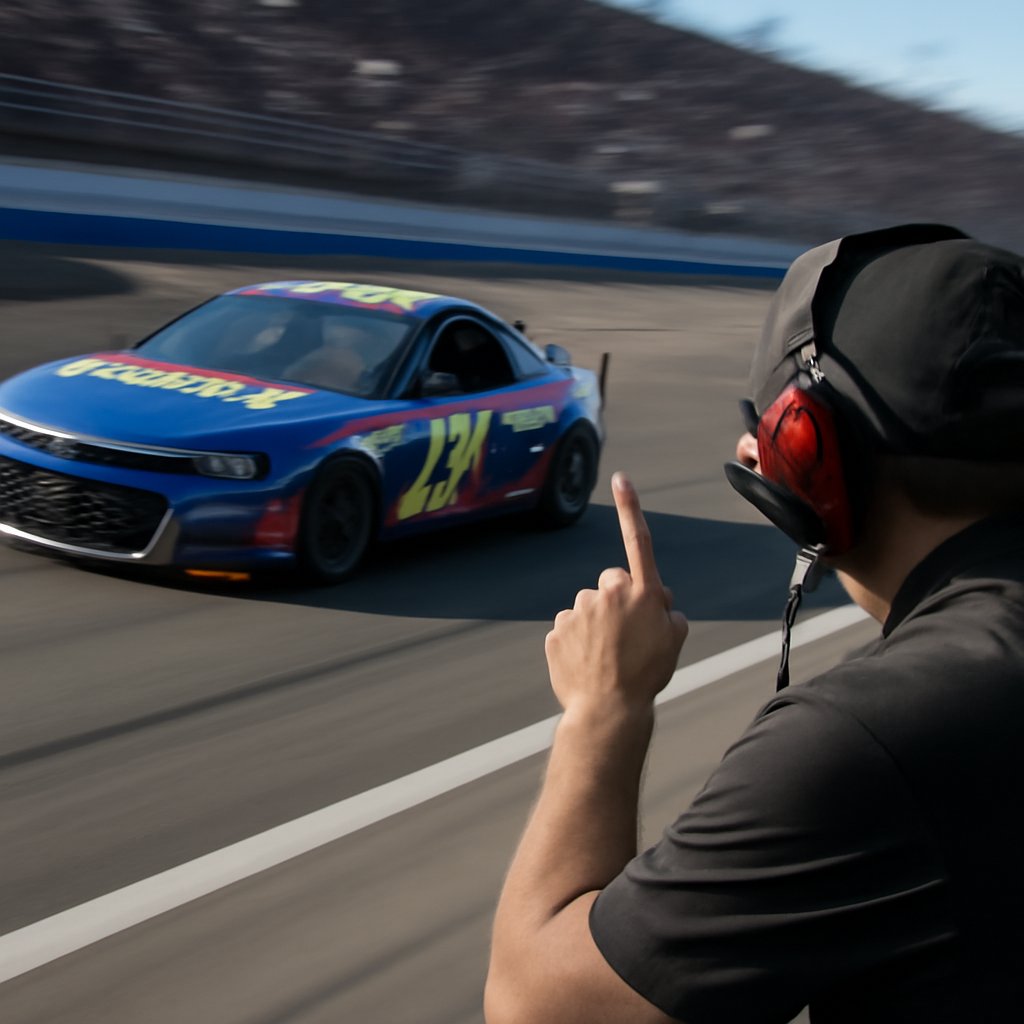
Crew chiefs remain the unsung architects of NASCAR Cup Series success, blending razor-sharp strategy with an eye on sponsor ROI that can make or break a team’s season-long business case. From the pit lane perspective, their decisions extend far beyond lap times—they shape how teams deliver value to partners like those bankrolling the haulers and engineering bays, ensuring consistent finishes that protect marketing investments and playoff positioning.
What teams don’t tell fans is that pre-race preparation starts months ahead, where crew chiefs dissect practice data to optimize setups for everything from Bristol’s tight corners to superspeedway drafting. This work directly feeds qualifying performance and long-run speed, giving drivers such as Denny Hamlin measurable edges that sponsors notice in post-race exposure metrics. The technical foundation begins in the NASCAR research and development center, where crew chiefs analyze telemetry from previous seasons, then translate those insights into specific adjustments for suspension geometry, aerodynamic balance, and brake bias that suit both the driver’s preference and current track conditions.
In-race calls on pit strategy highlight the business tightrope even more. Balancing two-tire stops against track position isn’t just tactical—it’s a calculated risk that can preserve or erode a team’s ability to deliver on sponsor deliverables like stage points and top finishes. Precise adjustments have fueled comebacks at venues like Phoenix Raceway, where one wrong call drops a car several spots and impacts both standings and partner visibility. Crew chiefs must weigh real-time variables including fuel mileage, tire wear patterns observed through practice and qualifying, incoming weather systems that could trigger caution flags, and even competitor pit strategies that might shift the optimal window for stops.
The communication between crew chief and driver represents one of NASCAR’s most critical yet overlooked dynamics. Modern crew chiefs use sophisticated radio protocols, pit box boards displaying live data, and pre-race meetings to establish a shared vocabulary for car handling feedback. When a driver reports the car is “tight” or “loose,” the crew chief must instantly interpret whether that’s a chassis setup issue, aerodynamic imbalance, or tire condition problem—then decide whether corrective action at the next pit stop will help or hurt overall race position. Some of the sport’s most successful crew chiefs, like Greg Ives who has led multiple championship contenders, excel at filtering driver input through performance data to make decisive calls that balance immediate feedback with long-term race strategy.
Effective driver-crew chief pairings, such as Kyle Larson and Cliff Daniels, thrive on transparent communication that turns handling feedback into quick fixes and top-five results. These relationships also mentor emerging talent like Chase Elliott on equipment conservation across 500-mile events. Veterans like Rodney Childers further drive innovation by integrating data analytics for fuel-saving tactics that lock in stage points and strengthen playoff bids—moves that ultimately support sponsor retention through proven performance. The partnership between driver and crew chief often determines how quickly a team can adapt to changing conditions; some duos develop almost intuitive understanding where minimal radio communication yields maximum performance adjustments.
At Indianapolis Motor Speedway, crew chiefs excel at navigating long green-flag runs and restarts to maximize clean air, a strategy that has historically secured over 20 victories since 2000 by controlling fuel windows. Similar adaptive planning shone at Martinsville with short-pit decisions amid tire degradation and at Talladega through aerodynamic tweaks that built winning drafting trains. Each track presents unique challenges that demand crew chief expertise: superspeedways like Daytona and Talladega require fuel-conservation strategies and aerodynamic setup optimization for drafting efficiency; short tracks like Bristol demand suspension geometry that balances grip in tight corners with stability through high-speed transitions; and intermediate tracks like Charlotte need balanced setups that perform well across varied turn configurations and speeds.
Fuel strategy deserves special emphasis in modern NASCAR, as it has become perhaps the crew chief’s most critical decision variable. With stage racing rewarding stage point finishes, crew chiefs must calculate pit stop timing that secures stage points while preserving fuel for the final laps. Advanced telemetry systems now track fuel consumption rates down to tenths of a gallon per lap, allowing crew chiefs to model various pit-stop scenarios before the race even begins. Some teams employ specialized fuel strategists who work alongside the crew chief, analyzing historical fuel mileage data and factoring in variables like ambient temperature, humidity, and wind conditions that affect consumption rates.
Tire management represents another cornerstone of crew chief strategy that directly impacts race outcomes. The choice between two-tire and four-tire stops involves analyzing wear patterns from practice sessions, predicting how the track surface will evolve throughout the race day, and understanding how each tire option affects handling characteristics. A crew chief might call a two-tire stop to gain track position knowing that fresh tires will provide better grip on the next run, or alternatively choose four tires to ensure the car maintains speed through traffic. Some crew chiefs have developed proprietary tire-wear models that track degradation across hundreds of laps, providing predictive data that informs these critical decisions.
From the pit lane perspective, the numbers underscore the commercial stakes. Crew chiefs average 12-15 major strategy adjustments per race to hold position. Teams backed by experienced leaders post a 35% higher playoff win rate. Real-time radio communication cuts errors by 40%, boosting stage points, while track-specific setups shave up to 0.8 seconds in qualifying. Iconic duos like Jimmie Johnson and Chad Knaus parlayed this discipline into 83 wins, illustrating how these partnerships translate raw speed into sustained business success for organizations and their sponsors alike. The financial implications are substantial—a single playoff elimination can cost teams millions in purse earnings and sponsorship bonuses, making crew chief decision-making a high-stakes endeavor with tangible business consequences.
Weather represents another dimension where crew chief expertise separates championship contenders from midfield runners. The ability to predict how rain, wind, or temperature swings will affect track conditions and car setup allows experienced crew chiefs to make proactive adjustments before conditions deteriorate. Some crew chiefs work closely with teams’ meteorology consultants to anticipate weather impacts on fuel consumption, tire wear, and aerodynamic balance. A sudden temperature drop might increase fuel mileage, changing pit-stop timing calculations; wind direction changes could affect car balance on certain turns; and humidity affects both tire grip and engine performance.
The evolution of NASCAR’s technical regulations has only intensified the importance of crew chief expertise. The Next Gen car introduced in 2022 brought new chassis architecture, suspension systems, and aerodynamic designs that required crew chiefs to essentially rebuild their knowledge base. The teams whose crew chiefs most effectively adapted to the new platform early gained significant competitive advantages that persisted throughout the season. This ongoing technical evolution means crew chiefs must maintain continuous learning, attending technical seminars, reviewing telemetry data from competing organizations when possible, and experimenting with setup variations that push the boundaries of the rulebook.
As the Cup Series evolves with new car technology, the influence of skilled crew chiefs will keep driving both on-track results and the behind-the-scenes economics that keep teams competitive. The margin between victory lane and missed playoffs often comes down to crew chief decisions made in milliseconds, informed by months of preparation and years of accumulated expertise.
Sources
- NASCAR.com News & Media – Official NASCAR news, race updates, and driver information
- ESPN NASCAR – Comprehensive NASCAR coverage, race results, and analysis
- Motorsport.com NASCAR – International racing journalism and NASCAR reporting
- NASCAR Cup Series – Official NASCAR Cup Series schedule and standings