
How NASCAR Weather Delays Affect Strategy
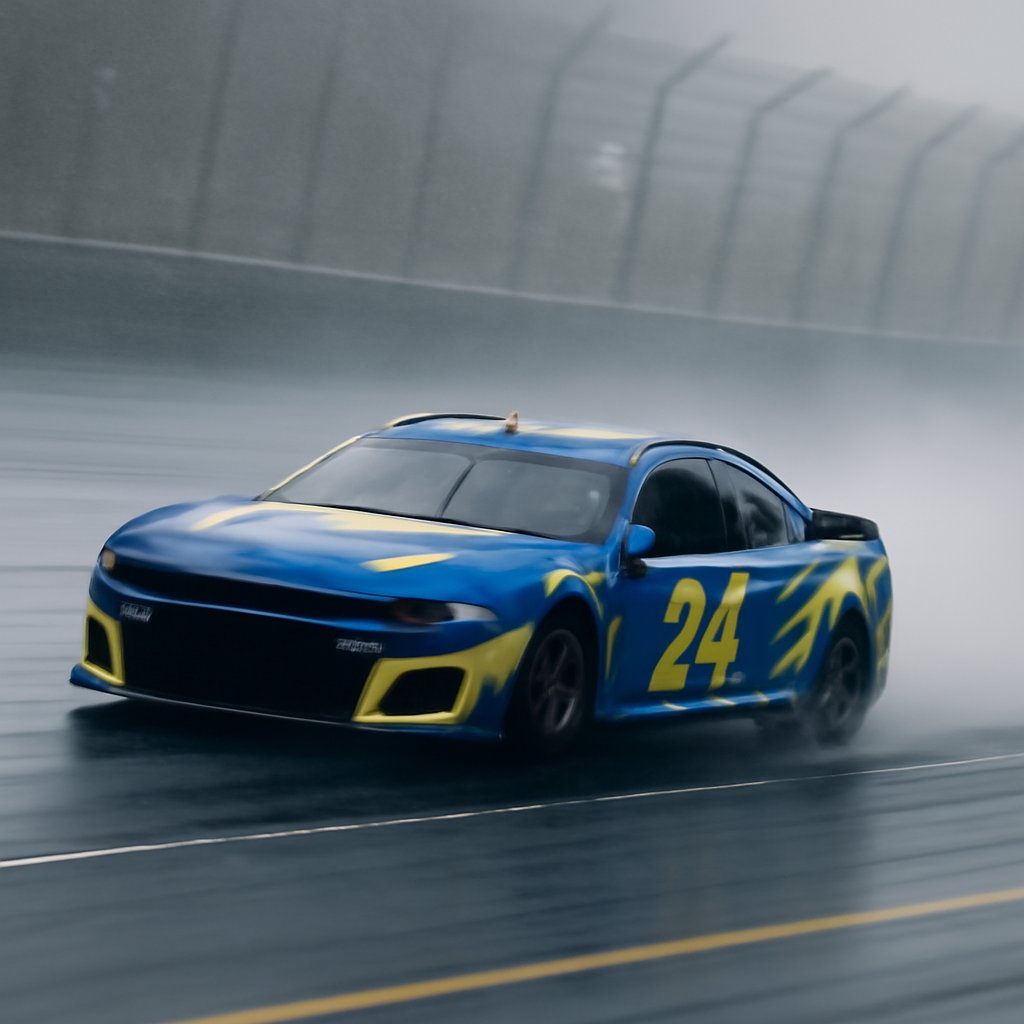
Weather delays in NASCAR aren’t merely pauses in the action—they’re high-stakes inflection points that force Cup Series teams to recalibrate everything from pit windows and tire compounds to fuel loads, all while protecting the interests of title sponsors and broadcast partners. Venues like Daytona International Speedway and Bristol Motor Speedway illustrate this perfectly, where shifting conditions demand real-time decisions that can sway both on-track results and the commercial narrative teams sell to their backers.
From the pit lane perspective, crew chiefs lean heavily on radar monitoring to relay adjustments to drivers such as Denny Hamlin and Kyle Busch. These interruptions often stretch well past initial forecasts, converting what should be a standard 500-mile event into an exercise in endurance and contingency planning. What teams don’t tell fans is that historical track data from places like Atlanta Motor Speedway routinely informs these calls, showing how extended red flags have cost leaders positions and, by extension, valuable exposure for primary sponsors whose logos sit idle on pit road.
Extended weather stops place fuel mileage math front and center, as cars idle with minimal consumption yet still require exact top-offs for the restart. Crew chiefs tweak tire pressures and switch compounds—moving from softer options for dry grip to harder ones better suited for cooling surfaces—directly impacting how a car performs once green-flag racing resumes. This pivot can deliver track position gains for those who stay out longer under rain threats, with pit decisions hinging on projected restart timing and remaining laps. In the Cup Series, these calculations often separate title contenders from the rest, especially at rain-sensitive layouts like Watkins Glen, where sponsor-backed teams weigh aggressive versus conservative plays against both points and marketing ROI.
Experienced drivers such as Martin Truex Jr. stand out during these windows by staying sharp and feeding telemetry insights back to their crews about evolving track conditions. Communication ramps up as engineers factor in wind and temperature shifts that alter handling, turning potential lost time into competitive edges. What teams don’t tell fans is that driver input here also safeguards sponsor relationships, as consistent top finishes translate into stronger activation opportunities and renewal leverage.
Key data points underscore the business stakes: more than 35 percent of Cup Series races since 2015 have included at least one weather delay exceeding 30 minutes, reshaping original strategy plans. Teams adjusting tire approaches during rain stops have improved average finishes by 4.2 positions based on historical analysis. Fuel conservation moves during delays have produced 12 victories across the past three seasons for drivers extending their stints. Short tracks like Richmond Raceway see the most frequent interruptions, averaging two per spring event, while weather-related strategy calls swing championship points by an average of 28 per affected race.
The mechanics of a weather delay extend far beyond simply waiting for conditions to improve. NASCAR officials must assess track surface moisture, visibility, and wind speeds before permitting resumption of competition. Track drying procedures themselves—utilizing massive jet dryers and absorbent compounds—introduce additional variables that teams must anticipate. A crew chief’s decision about whether to pit during a caution period preceding a red flag can fundamentally alter fuel strategy for the entire second half of a race. Some teams gamble on staying out, banking on a quick restart and track drying, while others take the opportunity to make aggressive adjustments and ensure a fresh set of tires. This divergence in pit strategy often creates separate races within the same event, with some cars positioned perfectly for the restart while others find themselves buried in traffic.
Weather delays also dramatically impact tire strategy because track temperature fluctuations affect compound performance. NASCAR provides teams with multiple tire options for each race weekend, and rain delays cool the racing surface, which can make harder compounds behave unexpectedly once conditions dry. Teams that correctly anticipate these thermal shifts gain substantial advantages in the first laps after a restart. Conversely, teams that make incorrect assumptions about how their tires will perform can lose multiple positions in a single green-flag run. The best pit crews maintain detailed notes on historical tire performance at each venue under various moisture and temperature conditions, using this institutional knowledge to inform split-second decisions during live race situations.
Communication between the spotter, driver, and crew chief becomes exponentially more critical during weather delays. The spotter, positioned high above the track, can often see weather systems approaching minutes before track officials make a red flag call. Spotters relay real-time observations about sky conditions, wind direction, and track moisture patterns that inform the crew chief’s strategic thinking. Drivers, meanwhile, provide crucial feedback about how their vehicles are handling as conditions change—information that can’t be gleaned from telemetry alone. This three-way dialogue, occurring at a fever pitch during weather delays, separates championship-caliber teams from mid-pack competitors.
Fuel strategy during weather delays presents a unique puzzle because the math changes dramatically when cars are idling rather than running at race pace. A fuel load that seems adequate for the remaining laps at green-flag speed might prove insufficient if the restart comes earlier than anticipated and subsequent cautions stretch the fuel window. Conversely, teams that carry excessive fuel loads sacrifice performance through weight penalties. The best crew chiefs employ sophisticated computer modeling that accounts for various restart scenarios, helping them thread this needle with precision. Some teams even communicate with NASCAR race control to gather hints about anticipated restart timing, though official guidance is limited to protect fairness.
Weather delays at superspeedways like Daytona and Talladega create entirely different strategic considerations than those at road courses or short tracks. At these high-speed venues, aerodynamic changes become paramount during strategy adjustments. A team might remove downforce to improve fuel mileage during a delay, then re-establish downforce in preparation for a restart. These physical modifications, performed by incredibly skilled mechanics in cramped pit box spaces, must be executed flawlessly under time pressure. Even minor mechanical errors during weather delay pit stops can cost teams races—a loose lug nut discovered after restart, for instance, can force an unscheduled pit stop that demolishes a team’s track position.
The psychological element of weather delays cannot be understated. Drivers spend hours confined to their cars or hospitality areas, mentally preparing for different scenarios. Some utilize visualization techniques to mentally rehearse various restart situations, while others study video of how the track typically behaves after rain stops. The mental toughness required to maintain focus and competitive edge through extended delays—sometimes lasting four or five hours—separates elite drivers from the rest of the field. Champions like Kyle Larson and Chase Elliott have demonstrated remarkable ability to regain focus quickly after delays, immediately performing at peak levels once green flags drop.
Ultimately, these delays decide outcomes across the Cup calendar by rewarding outfits that fuse data precision with sponsor-aware flexibility. Fuel management, tire calls, and driver feedback all converge to shape results at marquee venues, keeping the focus on both performance and the commercial ecosystem that sustains the sport.
Sources
- NASCAR.com News & Media – Official NASCAR news, race updates, and weather information
- ESPN NASCAR – Comprehensive NASCAR coverage including weather impacts on races
- Motorsport.com NASCAR – International motorsports news and NASCAR race analysis
- National Weather Service – Official weather forecasts and severe weather information