
How Weather Changes Impact NASCAR Race Strategy
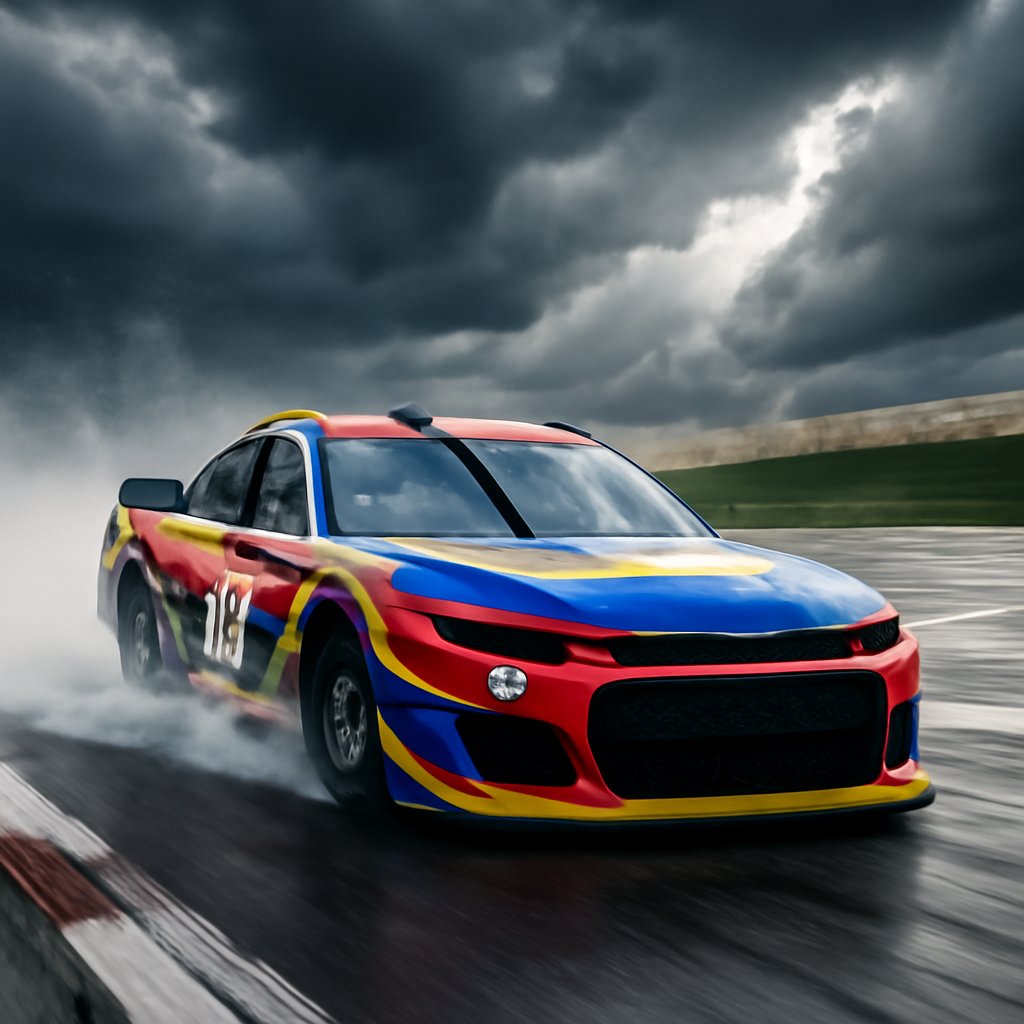
Weather shifts remain one of the most critical variables that Cup Series organizations must navigate, often reshaping an entire weekend’s plan in a matter of minutes. From the pit lane perspective, crew chiefs are constantly weighing tire choices, fuel loads, and pit windows against live radar feeds, because a single miscalculation can erase months of preparation and millions in sponsor investment. Sudden downpours at superspeedways or blistering heat at desert tracks influence everything from aerodynamics to driver endurance, directly affecting on-track results and the visibility those results deliver for partners.
Rain stands out as the most disruptive element. Teams face split-second decisions on wet-weather tires versus staying on slicks, a call that can either protect track position or trigger costly incidents. What teams don’t tell fans is that these choices also carry heavy sponsor implications—extended red flags reduce live television exposure and dilute the return on investment for primary partners whose logos are meant to be seen at speed.
Drivers such as Kyle Busch and Denny Hamlin have turned aggressive rain calls into victories in shortened events, yet wet tires degrade faster on drying pavement and force extra stops that can drop a car from contention. Crew chiefs monitor conditions relentlessly, balancing safety with the commercial reality that every lost lap hurts both championship math and brand activation opportunities.
Recent examples at Daytona and Talladega illustrate the point. Multiple 2023 races featured dramatic position swings after teams gambled on drying times, with visibility issues adding another layer of risk on high-speed ovals. Temperature swings create similar strategic chess matches. Hot days accelerate tire degradation, prompting earlier pit stops and more conservative driving lines, while cooler air can boost downforce but stress engines. At Phoenix and Las Vegas, teams often lower pressures or tweak camber to manage extreme heat—adjustments that also help maintain consistent lap times for sponsors counting on predictable television segments.
In cooler spring events at Bristol, increased air density changes handling, leading crews to tape grilles or alter spoiler angles as the track evolves. Wind and humidity add further variables; crosswinds disrupt drafting lines at restrictor-plate tracks, while high humidity correlates with elevated engine-failure rates. From a business standpoint, these conditions can shift average lap times by nearly a second, altering broadcast windows and the advertising value tied to them.
The strategic depth of weather management extends far beyond simple tire selections. Modern NASCAR teams employ dedicated weather specialists who work alongside crew chiefs to interpret meteorological data in real time. These specialists track barometric pressure changes, dew point trends, and atmospheric conditions that influence how a racetrack surface behaves throughout the day. Early morning practice sessions at cooler temperatures require completely different setups than afternoon qualifying or evening races, yet teams must predict which configuration will work best when it matters most. This forecasting challenge becomes especially acute at venues like Martinsville or Richmond, where track surface variations and surrounding geography create microclimates that general weather reports often miss.
Fuel strategy becomes exponentially more complex when weather uncertainty enters the equation. Teams planning pit stops must account for how temperature affects fuel consumption rates and engine performance. Hotter engines run leaner and consume fuel less efficiently, meaning a pit stop scheduled for lap 150 under hot conditions might need to move forward by five laps if clouds roll in and temperatures drop. Conversely, rain threats can force teams into aggressive fuel-mileage strategies early, potentially compromising tire wear and handling balance in the process. The calculus involves predicting not just the current weather, but how conditions will evolve across a race that might last four hours or more.
Track preparation and maintenance crews also operate under weather-dependent protocols that teams must anticipate. If rain is forecast but doesn’t materialize, the track surface remains more grip-rich than a genuinely rained-on surface that’s been dried. Teams that prepare their setups for the wrong scenario—too aggressive for a still-damp surface or too conservative for a fully dried one—lose tenths of a second in qualifying positions and early-race handling. This invisible advantage for teams with superior weather intelligence compounds across the entire event.
Tire compound selection before a race becomes a strategic minefield when forecasters predict marginal weather. Goodyear provides multiple tire options for most Cup Series events, and teams must submit their tire allocations well before race day. Teams that select the harder compound in anticipation of rain risk poor performance if conditions stay sunny and hot. Those who gamble on soft compounds hoping for dry conditions face dangerous degradation if unexpected precipitation arrives. This commitment requirement forces teams to weigh probability assessments against their risk tolerance and championship position—a team fighting for playoffs might take bigger gambles than one already locked into the postseason.
Key data points underscore the stakes: more than 35 percent of Cup races since 2015 have carried at least one weather-related caution or red flag. Tire wear rises by as much as 40 percent above 90 degrees on intermediate tracks. Rain-shortened races have produced 12 different winners in the past decade through bold strategy. Wind above 15 mph has altered Daytona lap times by 0.8 seconds. Organizations leveraging real-time weather analytics gain an average of four finishing positions per event, translating into stronger sponsor narratives and improved championship odds. Humidity above 70 percent links to a 12 percent increase in summer mechanical issues.
Driver adaptation skills separate championship contenders from mid-pack competitors during weather swings. Experienced drivers like Chase Elliott and Brad Keselowski excel at reading how a car feels as conditions transition from dry to damp to wet, communicating nuanced feedback to their crew chiefs that helps nail setup adjustments. Younger drivers sometimes struggle to articulate handling changes in rapidly evolving conditions, putting their teams at a disadvantage even with superior equipment. This communication breakdown often determines whether a team makes the right call on tire strategy during a caution period.
Weather intelligence systems have become increasingly sophisticated, with top-tier teams deploying proprietary forecast models that account for local terrain, shade patterns across the track, and even vehicle-induced wind effects. Some organizations partner with university meteorology programs or specialized racing weather firms to gain predictive edges that generic forecasts can’t provide. These advantages—measured in fractions of a second—accumulate into championship points and sponsor satisfaction over a 36-race season.
Ultimately, organizations that pair advanced forecasting with flexible pit plans and driver expertise convert unpredictable conditions into competitive and commercial advantages. As climate patterns continue to shift, that adaptability will keep defining which teams—and which sponsors—come out ahead across the schedule.