
Jimmie Johnson Seven Time Champion Profile
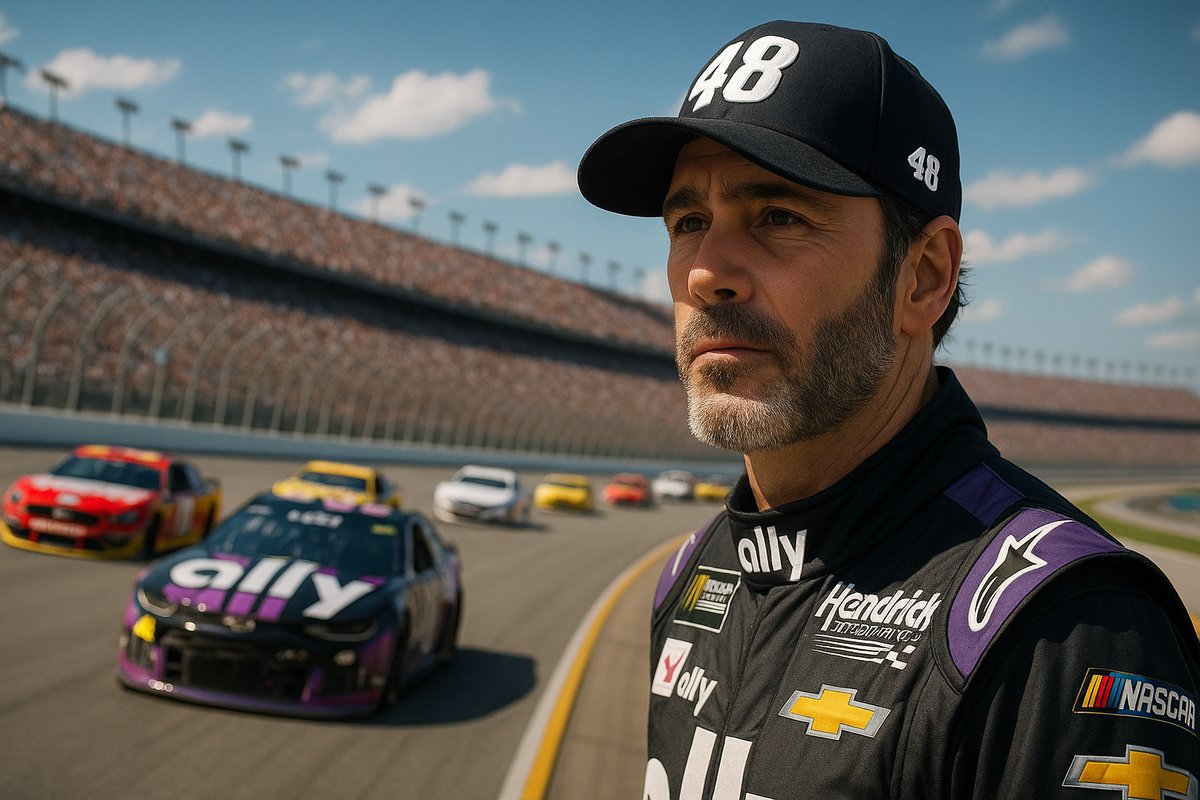
Jimmie Johnson’s run to seven Cup Series titles stands as one of the clearest case studies in modern NASCAR of how sustained execution, crew-chief synergy, and manufacturer backing can create a championship window that lasts more than a decade. From the pit lane perspective, what separated the No. 48 program was never just raw speed; it was the ability to protect sponsor assets while still pushing the envelope on strategy week after week.
Born in 1975 in El Cajon, California, Johnson came up through off-road trucks before moving into ASA and the Busch Series. Hendrick Motorsports signed him in 2001 to drive the No. 48 Chevrolet, pairing him with crew chief Chad Knaus. That alliance produced an immediate dividend with Johnson’s first Cup win at the 2002 Auto Club 500. Over the next few seasons the team methodically built a data-driven approach to superspeedway pack racing and short-track handling, turning early top-fives into consistent points hauls that sponsors could underwrite long-term.
The move to full-time Cup competition forced Johnson to master everything from Daytona’s high banks to Bristol’s concrete. By 2004 the No. 48 was regularly finishing inside the top ten, positioning Hendrick to leverage both on-track results and the growing value of the Lowe’s sponsorship. Knaus’s willingness to experiment with setups paid off once the Chase format arrived; the team could afford calculated risks because the points cushion was already engineered into the program.
Between 2006 and 2010 Johnson captured five straight championships—an unmatched streak built on intermediate-track wins at Charlotte and Kansas plus disciplined points management. Knaus’s qualifying setups and long-run speed packages let the team control race pace while still delivering the television exposure sponsors demanded. What teams don’t tell fans is that those five-peat seasons also required careful tire allocation and pit-road efficiency that protected the primary paint schemes from damage that could have cost marketing value.
The dominance during this five-year stretch was historically significant. In 2007 alone, Johnson posted 10 wins and finished in the top-five in 21 of 36 races—a consistency level that modern analytics crews still study. The 2009 season saw him lead 3,456 laps across the schedule, a remarkable feat given the competitiveness of the field. Teams have since dissected Knaus’s pit strategy calls from this era, recognizing how two-tire versus four-tire decisions were calculated not just on track position but on fuel mileage projections and competitor fuel windows. Johnson’s ability to execute these calls cleanly, without mistakes under pressure, became a hallmark of the program’s superiority.
Johnson added a sixth title in 2013 with four victories and another in 2016 for a record-tying seventh, adapting to new car packages and the introduction of stage racing. Those later campaigns showed how a veteran driver and established team could still extract performance even as rules evolved, keeping Hendrick’s technical partners and sponsors aligned. The 2013 championship came during a transitional period for the sport, and Johnson’s ability to remain competitive through aero package changes demonstrated his technical knowledge and flexibility.
Across 686 starts he posted 83 wins and 374 top-ten finishes, including eight at Charlotte Motor Speedway, six at Dover, and three at the Daytona 500. His line through Indianapolis and tire-management masterclass at Dover in 2015 remain reference points for current strategy meetings. Johnson also collected 68 poles and led more than 35,000 laps, numbers that directly translated into on-screen exposure for the brands backing the No. 48. His three Daytona 500 victories (2004, 2006, 2013) placed him among the most successful drivers in that race’s modern history, and his mastery of superspeedway racing during the drafting era showed his adaptability across different racing disciplines.
One often-overlooked aspect of Johnson’s success was his relationship with Hendrick Motorsports’ engineering infrastructure. The organization’s investment in wind tunnel time, simulator development, and real-time telemetry analysis gave Johnson a technical advantage that compounded over his tenure. Teams could compare setups from 500-plus previous starts, building predictive models for how the No. 48 would perform at each track. When Johnson arrived at a venue, the car was often already close to optimal because of this accumulated data advantage—a luxury that helped maintain consistency through fuel stints and traffic management.
Johnson’s success also coincided with his role as a brand ambassador for Lowe’s, the primary sponsor of the No. 48. The partnership lasted 17 years, one of the longest sponsor relationships in modern NASCAR. This stability allowed both parties to invest in marketing integration and activate fan engagement programs that went beyond traditional race-day appearances. Johnson’s media training and comfort in front of cameras made him ideal for television interviews and sponsor content, which in turn justified continued investment in the program.
The physical and mental preparation regimen that Johnson pioneered became a competitive advantage that competitors initially underestimated. His early adoption of personal trainers, nutritionists, and sports psychologists gave him endurance and mental clarity advantages in 36-race campaigns. Drivers noted that Johnson seemed fresher late in seasons, maintaining consistency when others were fatiguing. This professional approach to driver fitness eventually became standard across the garage, but Johnson’s early commitment set him apart during his championship runs.
After stepping back from full-time competition following 2020, Johnson returned for selected events, including the 2024 Daytona 500. His emphasis on fitness regimens and data analytics has since become standard across the garage, influencing how teams prepare drivers for the physical and mental demands of a 36-race schedule. Post-retirement, Johnson transitioned into ownership and commentary roles, bringing the same analytical mindset to understanding the sport’s business and technical evolution. His insights on setup philosophy and strategic decision-making have made him a valuable resource for broadcast teams and younger drivers seeking mentorship.
In 2024 he was inducted into the NASCAR Hall of Fame, capping a career that continues to shape both on-track tactics and the business of building long-term driver programs. The Hall of Fame recognition acknowledged not just his seven championships, but his influence on how modern NASCAR teams operate. His legacy extends beyond statistics to include innovations in pit crew training, chassis development philosophy, and the strategic balance between aggressive racing and conservative championship management.
Key facts remain straightforward: seven titles in 2006, 2007, 2008, 2009, 2010, 2013, and 2016; 83 Cup wins; three Daytona 500 victories; and a seamless transition from driver to mentor and owner. Johnson’s blueprint—tight crew-chief communication, sponsor-friendly consistency, and relentless adaptation—still guides how successful organizations approach sustained competition in today’s Cup Series. Teams looking to build sustained success continue to study the Hendrick Motorsports model that Johnson helped establish, recognizing that championships are won through the accumulation of small advantages across engineering, operations, and driver preparation over the course of an entire season.