
Joey Logano’\”s Victory Mastery with Penske Racing
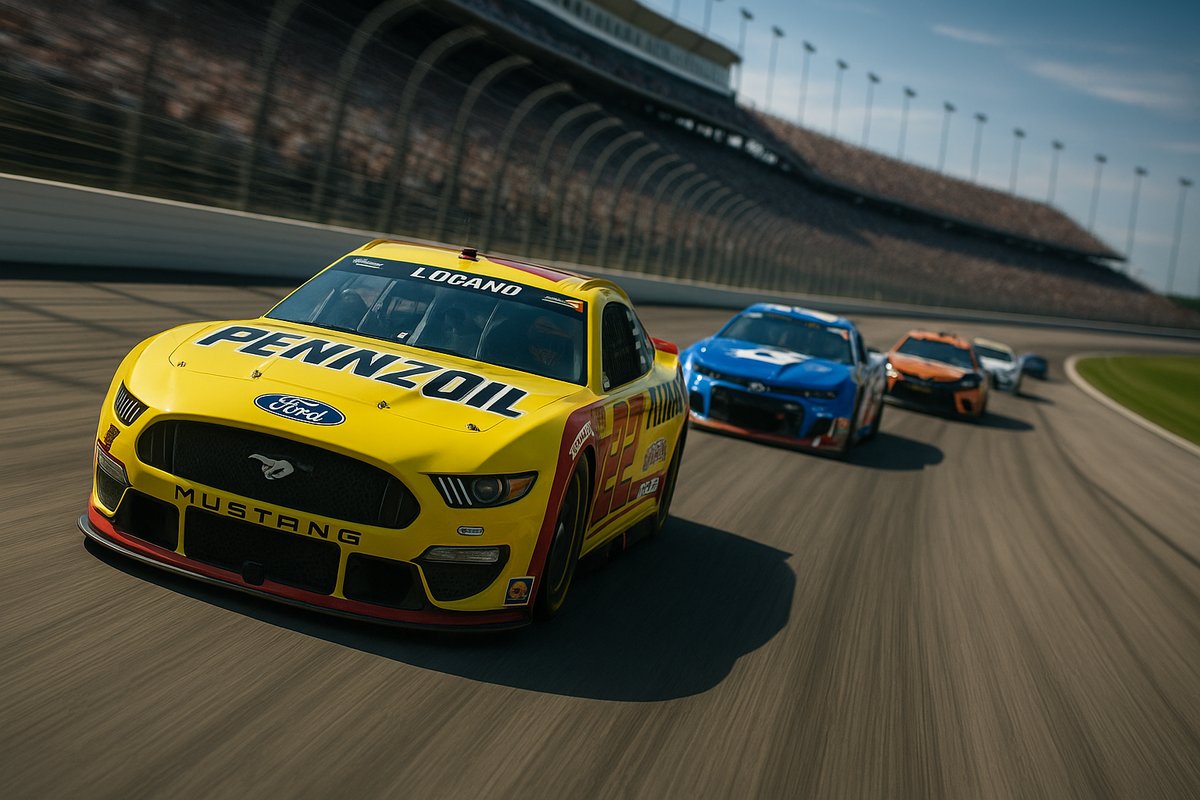
Joey Logano’s sustained success with Team Penske reflects more than raw speed—it underscores a calculated alliance between driver talent and organizational resources that maximizes both on-track results and sponsor value. In the No. 22 Ford Mustang, the two-time champion has turned aggressive restarts and late-race tire management into repeatable advantages, generating the kind of visibility that matters to partners investing in the sport.
From the pit lane perspective, what teams don’t tell fans is how early integration between driver and engineering staff accelerates returns. Logano’s arrival at Penske aligned his fearless style with data-driven setups that prioritized consistency across track types. This shift quickly translated into podium threats, where every position gained improved sponsor impressions during national broadcasts and helped secure extended contract leverage for the organization.
The transition to Penske in 2013 marked a turning point in Logano’s career trajectory. While he had shown flashes of brilliance with other organizations, the combination of Penske’s technical expertise and his own maturation as a driver created immediate chemistry. The team’s investment in driver development meant Logano had access to extensive simulation technology, detailed telemetry analysis, and collaborative engineering sessions that refined his approach to every track on the NASCAR Cup Series schedule. Within his first season at Penske, the improvements in consistency became evident, with Logano earning multiple top-five finishes and demonstrating the kind of adaptability that separates championship-caliber drivers from occasional winners.
Those initial victories under the Penske banner arrived through calculated risk-taking rather than pure luck. Logano charged forward from mid-pack starts, capitalizing on strategy calls that protected track position when it counted most. The momentum built steadily, turning potential into a string of results that elevated both the driver and the team’s standing in the championship picture.
What makes Logano’s approach particularly effective is his willingness to adapt pit strategy in real-time. Throughout his Penske tenure, crew chief calls regarding fuel mileage, tire wear patterns, and caution-flag timing have resulted in several dramatic late-race victories that showcase both driver skill and crew coordination. His first win in the No. 22 came at Las Vegas Motor Speedway in 2014, a result that validated the partnership and set the tone for sustained competitiveness. That victory demonstrated Logano’s ability to execute when pressure mounted and alternatives appeared limited—a trait that would become his trademark during playoff campaigns.
Landmark wins across superspeedways and short tracks further illustrate the partnership’s depth. Logano’s ability to execute wheel-to-wheel battles while preserving equipment highlights Penske’s emphasis on mechanical harmony—critical when sponsors evaluate ROI through sustained performance rather than isolated flashes. These moments create repeatable content for marketing campaigns and keep the No. 22 car front-of-mind for activation opportunities.
The superspeedway success deserves particular attention, as Daytona and Talladega represent some of the most unpredictable environments in NASCAR. Logano has managed the chaos of plate racing with remarkable consistency, understanding when to be aggressive and when to exercise patience. His victories at these venues involved split-second decisions about drafting line choices and positioning relative to competitors—decisions that can only be made effectively through experience and trust in both the car and the team supporting it. Short-track mastery, by contrast, relies on precision car control and an intimate understanding of how Penske’s setup philosophy translates to tighter racing surfaces. Logano’s competitiveness at Bristol, Richmond, and Martinsville demonstrates technical range that elevates his standing among peers.
Championship triumphs came from the same foundation: playoff execution backed by robust preparation. Logano’s split-second decisions in elimination rounds combined with Penske’s resource allocation to deliver title-winning campaigns. His 2018 Cup Series championship exemplified this synergy perfectly. Throughout that playoff run, Logano displayed the kind of mental toughness and strategic awareness that cannot be taught—only refined through partnership with an organization capable of providing the tools necessary for success. Key victories at Kansas and Homestead during the playoff run demonstrated his ability to perform when elimination hung over every lap. The 2022 championship run showcased similar characteristics, with Logano navigating a competitive field and emerging victorious through consistent execution and timely pit decisions.
Iconic races often hinged on restart positioning and fuel strategy, elements that rarely receive headline credit but directly influence both trophies and the commercial narrative surrounding the team. These behind-the-scenes tactical elements represent the collaborative intelligence between driver and crew that separates sustained winners from flash-in-the-pan competitors. Logano’s understanding of how tire temperatures influence restart performance, combined with his crew chief’s ability to position strategy calls around weather and caution patterns, has created numerous situations where the No. 22 team simply made better decisions than competitors faced with identical circumstances.
Logano’s career metrics with Penske paint a picture of durability and adaptability. Multiple Cup Series victories stretch from Daytona to Phoenix, supported by strong average starting positions and frequent leads that maximize television exposure. His consistency in qualifying—often starting in the top fifteen—provides platform advantages that compound throughout race day. Endurance across long events demonstrates the engineering synergy that keeps sponsors aligned season after season. Over his tenure with Penske, Logano has accumulated more than thirty Cup Series victories, a achievement that places him among the most successful drivers of his generation and validates the organizational partnership’s effectiveness.
Beyond the statistics, Logano’s approach to sponsor engagement and team dynamics reflects maturity that enhances Penske’s commercial objectives. His willingness to participate in driver appearances, social media content creation, and hospitality events amplifies the value proposition for partners like Shell Pennzoil and Ford. This commitment to the business side of racing, combined with his on-track success, creates a comprehensive value package that justifies continued investment in the No. 22 program.
The collaboration shows no signs of cooling. Each new campaign brings opportunities to expand the win column while reinforcing the business case for continued investment in driver development and technical innovation. NASCAR’s ecosystem rewards these stable, high-performing partnerships, and Logano’s output keeps delivering measurable value on and off the track. As the sport evolves with new vehicle specifications and competitive dynamics, the Logano-Penske relationship continues adapting while maintaining the core principles that established its foundation: preparation, calculated aggression, and unwavering focus on execution when championships hang in the balance.