
Kyle Busch Career Highlights and Achievements
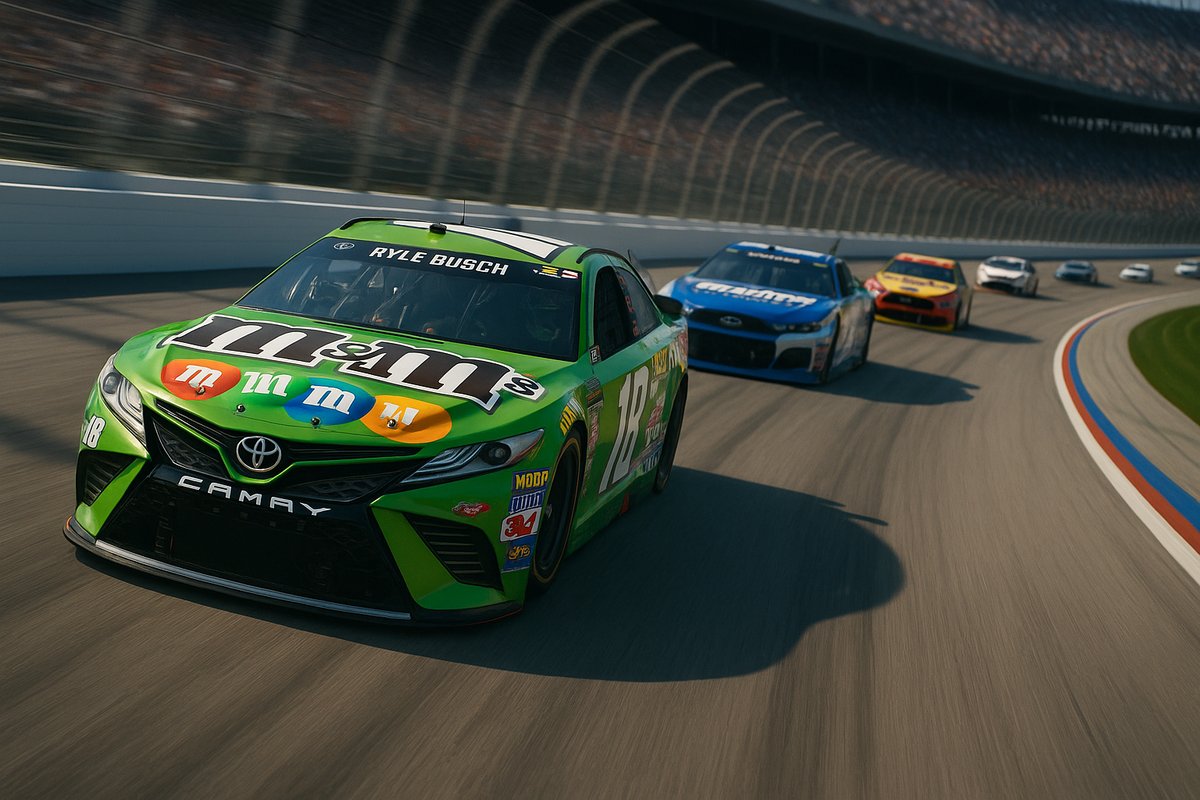
Kyle Busch’s path through NASCAR stands as a masterclass in long-term brand building and strategic positioning, with two Cup Series titles, more than 230 combined national series wins, and a driving style that has consistently delivered both on-track results and off-track value for sponsors. From the pit lane perspective, his career illustrates how driver performance directly influences team sponsorship portfolios and media exposure packages.
Busch launched his professional career in the early 2000s, moving quickly from the Truck Series debut win at Milwaukee Mile in 2004 into the Xfinity Series and then the Cup Series with Hendrick Motorsports in 2005. What teams don’t tell fans is that these early multi-series schedules were also calculated business decisions designed to maximize exposure for emerging sponsors while proving versatility across track types. His first Cup victory came at the 2005 Auto Club 500, making him the youngest modern-era winner at age 20, and the Xfinity Series record of 102 victories remains a benchmark that continues to drive licensing and marketing opportunities.
The transition to Joe Gibbs Racing in 2008 marked a pivotal moment in Busch’s career development. Under the tutelage of one of NASCAR’s most successful organizations, he refined his racecraft and began accumulating wins at a more consistent pace. The partnership proved mutually beneficial—Gibbs gained a multi-series talent capable of competing at the highest level, while Busch gained access to championship-caliber equipment and crew expertise. This 14-year partnership would define the most successful era of his career and establish the foundation for his championship runs.
The 2015 and 2019 Cup championships with Joe Gibbs Racing highlighted how championship contention translates into sustained sponsor revenue. In 2015, Busch overcame a mid-season injury to secure five wins and the title at Homestead-Miami, demonstrating the kind of resilience that keeps primary partners locked in for multi-year deals. His 2019 season delivered a series-high eight victories and another championship, reinforcing the value of playoff consistency for teams negotiating activation rights and hospitality packages. The 2015 championship run was particularly noteworthy because Busch missed several races due to a leg injury sustained in an off-season snowmobile accident, yet still managed to return and lead the points standings when it mattered most during the playoffs.
Beyond the championships, Busch’s consistency in the regular season has been remarkable. He has finished in the top 10 in final Cup Series standings in multiple seasons, demonstrating an ability to compete week-in and week-out against the sport’s elite competitors. His combination of raw speed, strategic thinking, and mental toughness has made him one of the most complete drivers in NASCAR. This consistency has proven invaluable to his teams, as reliable high-finishing drivers provide predictable points accumulation and reduce the variance that can derail championship efforts.
Iconic results such as the record 10 wins at Bristol Motor Speedway and strong hauls at Las Vegas and Phoenix further illustrate his ability to generate repeatable content for broadcast partners and sponsor activations. Bristol holds special significance in Busch’s career, as his mastery of the short track has become legendary among fans and competitors alike. The aggressive, side-by-side racing that Bristol demands plays perfectly into Busch’s wheelhouse, combining his racecraft with his willingness to put the car in precarious positions to gain advantage. Las Vegas and Phoenix, both markets with significant sponsors represented in NASCAR, have also seen Busch perform at championship caliber, providing premium marketing moments for his teams.
After the 2022 departure from Joe Gibbs Racing, the move to Richard Childress Racing’s No. 8 Chevrolet in 2023 brought fresh crew dynamics and equipment considerations, yet Busch maintained competitive top-10 finishes and a return to victory lane. From a business standpoint, such transitions often hinge on aligning driver equity with new sponsor alignments and long-term team valuation. The move to RCR represented a significant moment for the historic organization, which sought to elevate its competitive standing through partnership with an accomplished driver. Busch’s presence elevated the profile of the No. 8 team and attracted new sponsorship opportunities while providing the organization with technical feedback that helped modernize its operations.
His expertise across 1.5-mile intermediates and short tracks, including tire-management strategies at Charlotte and Darlington, continues to deliver measurable returns in both points and partner visibility. The intermediate tracks represent a crucial part of the NASCAR calendar, with multiple races contested on layouts like Atlanta, Las Vegas, and Kansas. Busch’s ability to consistently run well at these venues has been a cornerstone of his success. His short-track prowess, honed through years of competition outside NASCAR’s national series, gives him an advantage in handling the demanding driving required at places like Bristol and Martinsville. Understanding how to manage tire degradation, brake temperatures, and fuel mileage across varying track conditions separates the elite drivers from the rest of the field, and Busch’s mastery of these elements has been evident throughout his career.
Busch’s success in the Truck Series and Xfinity Series has often been overshadowed by his Cup Series accomplishments, but his achievements across NASCAR’s national series are extraordinary. His 102 Xfinity Series wins place him among the most successful drivers in that series’ history, and his ability to dominate in lower series while competing for Cup championships demonstrates his exceptional versatility. These multi-series efforts also provided crucial developmental opportunities, allowing him to test setups, practice racecraft against different competition, and maintain competitive sharpness during weeks when Cup Series events were limited.
The off-track aspects of Busch’s career have proven equally important to his on-track success. His relationship with sponsors, media presence, and involvement with Joe Gibbs Racing’s overall business operations have made him more than just a driver—he has become a franchise asset. His willingness to engage in sponsor activation events, social media content creation, and fan interaction has enhanced his marketability and extended his commercial value beyond what his wins alone would suggest.
Key career markers remain unchanged: 63 Cup wins, 17 Truck victories, more than 500 Cup starts since 2004, 15-plus playoff appearances, multiple Daytona 500 top-five finishes, and the 2015 and 2019 title runs that cemented his place among the sport’s most bankable talents. These statistics, when viewed collectively, paint a picture of one of NASCAR’s most accomplished modern-era drivers. Whether measured by wins, consistency, championships, or cross-series success, Busch’s career stands as a testament to the combination of talent, determination, and business acumen required to thrive at NASCAR’s highest levels.