
Most Iconic NASCAR Paint Schemes History
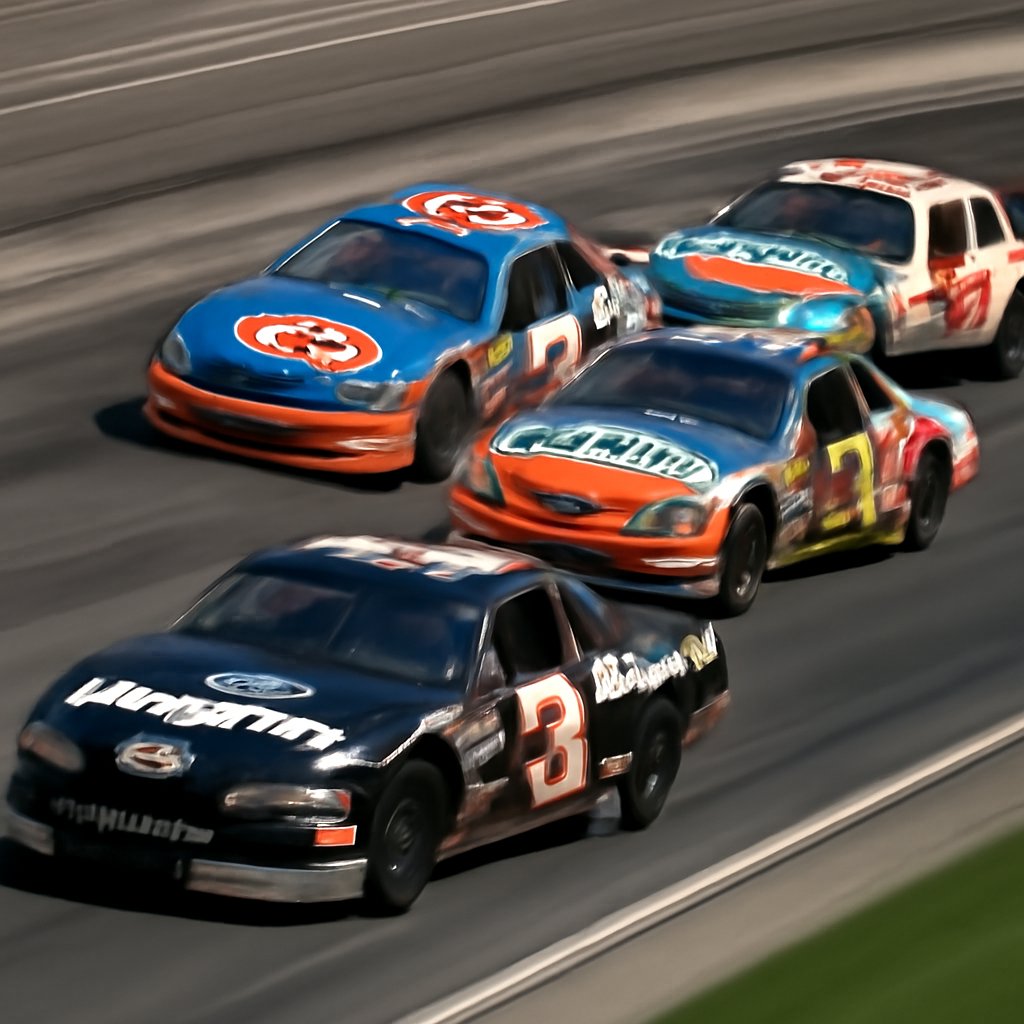
Growing up in Charlotte, NASCAR wasn’t a hobby — it was life, and those paint schemes on the cars were like family crests rolling down the track. The history of the most iconic NASCAR paint schemes is a vibrant tapestry that captures the evolution of the sport itself. From the early days of stock car racing to the high-tech designs of today’s Cup Series, these colorful liveries have become synonymous with legendary drivers, unforgettable races, and passionate fanbases. Exploring the most iconic NASCAR paint schemes history reveals how visual branding transformed from simple sponsor logos into cultural symbols that define eras in NASCAR racing news and driver legacies.
My grandfather watched this track get built out by what’s now Charlotte Motor Speedway, and he’d tell you those 1950s and 1960s cars had paint schemes that were straightforward yet powerful statements of driver identity. Cars featured bold numbers and basic sponsor colors that stood out on dusty dirt tracks. The most iconic NASCAR paint schemes from this era often belonged to pioneers like Lee Petty, whose family-run entries carried simple yet effective red-and-white liveries that helped establish the sport’s competitive image. These early designs prioritized visibility and durability over elaborate graphics, reflecting the grassroots nature of Cup Series racing at the time.
By the late 1960s, Richard Petty’s iconic blue #43 Plymouth became one of the first truly memorable NASCAR Cup Series paint schemes. The STP sponsorship introduced a consistent color palette that fans instantly recognized at every track, from the high banks of Daytona to the long straights at Talladega. This scheme not only dominated race results but also helped popularize the idea that paint schemes could serve as powerful marketing tools, influencing how teams approached visual identity for decades to come.
No discussion of the most iconic NASCAR paint schemes history is complete without Dale Earnhardt’s signature black #3 Chevrolet. Introduced in the early 1980s, the dark livery paired with the GM Goodwrench sponsorship created an intimidating presence that matched Earnhardt’s aggressive driving style. This scheme appeared in countless race results and remains a staple in driver profiles, symbolizing toughness and dominance throughout the 1980s and 1990s — and I still get chills seeing it thunder past the flagstand at Talladega.
Jeff Gordon’s DuPont #24 schemes took NASCAR paint schemes to new artistic heights. The rainbow gradient design of the 1990s became instantly recognizable, evolving slightly each season while maintaining its vibrant core. Gordon’s multiple championships and strong track records at venues like Daytona and Charlotte cemented these liveries as fan favorites, showing how creative color usage could elevate a driver’s profile in Cup Series history.
Mark Martin’s consistent red Valvoline schemes offered another standout example from the same period. The clean, aggressive look helped define Roush Racing’s identity and appeared in numerous top finishes. These designs highlighted how longevity in paint scheme usage could build deep emotional connections with audiences across multiple seasons of NASCAR racing.
In recent years, Kyle Busch’s colorful M&M’s and Skittles schemes have joined the pantheon of most iconic NASCAR paint schemes. The bright, playful designs contrast with Busch’s intense on-track persona, creating memorable moments during Cup Series events. Throwback weekends have allowed teams to revisit classic looks, blending nostalgia with modern aerodynamics and sponsor requirements.
Jimmie Johnson’s seven championships were largely spent in the iconic Lowe’s blue #48 Chevrolet. The scheme’s clean lines and consistent branding mirrored Johnson’s methodical approach to race results. Its presence at tracks nationwide helped solidify Hendrick Motorsports as a visual powerhouse in contemporary NASCAR history.
Chase Elliott has carried forward the tradition with striking Mountain Dew schemes and occasional throwback liveries honoring past legends. These designs keep the conversation about iconic NASCAR paint schemes alive for new generations of fans while respecting the sport’s rich visual heritage.
The black #3 scheme driven by Dale Earnhardt appeared in over 400 Cup Series starts, achieving 76 victories. Jeff Gordon’s rainbow #24 design was used consistently from 1992 through 2000, coinciding with four championships. Richard Petty’s STP blue #43 remains the longest-running primary sponsor color in NASCAR history, spanning more than three decades. Modern throwback schemes have increased fan engagement, with some races seeing over 30 retro designs fielded in a single event. Kyle Busch has piloted more than 15 distinct M&M’s variations, each tied to specific marketing campaigns and race wins. Jimmie Johnson’s Lowe’s blue #48 recorded 83 Cup victories, making it one of the most successful liveries statistically. Paint scheme changes now occur multiple times per season for many teams, reflecting the commercial evolution of NASCAR racing.
The most iconic NASCAR paint schemes history continues to shape how fans connect with drivers and teams. These visual identities transcend simple aesthetics, becoming symbols of achievement, personality, and the enduring spirit of Cup Series competition. As technology advances and new sponsors emerge, future generations will undoubtedly add fresh chapters to this colorful legacy while honoring the classics that defined NASCAR racing news for decades.