
NASCAR Caution Flag Rules and Strategies
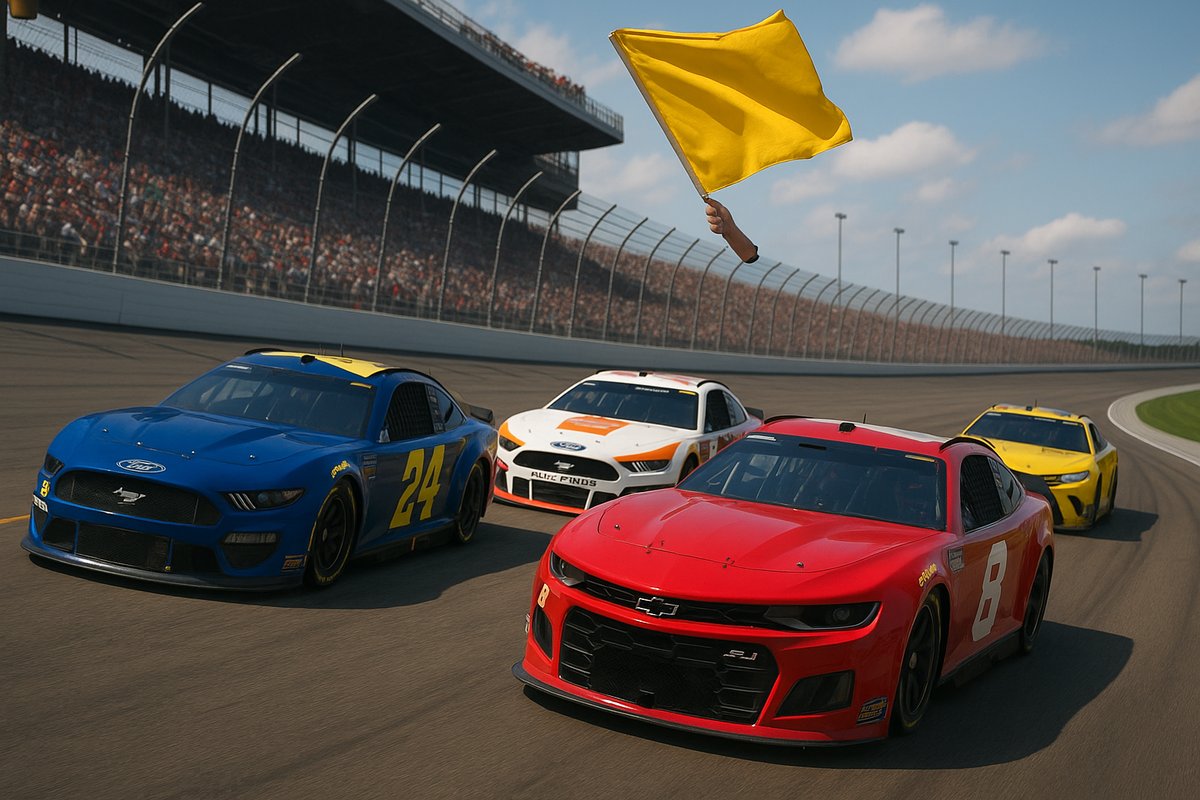
NASCAR caution flags have been shaping races long before some of y’all were born, and growing up in Charlotte, NASCAR wasn’t a hobby — it was life, pure and simple, with the roar of engines at the track down the road rattling our windows every weekend. My grandfather watched this whole sport evolve from the dirt days, and he’d tell you these yellow flags ain’t just for show; they decide who goes home with the trophy and who’s left cussing in the garage.
Once that caution waves, the field has to slow right down, no passing allowed except when the rules say so on the restart. The pace car takes over, and everybody holds their spot to keep things safe while the crews clear debris or fix barriers. These days with stage cautions and overtime, it’s gotten even trickier, especially if the yellow drops on the last lap of a stage — the points freeze but teams can still pit without losing a lap in plenty of cases. Restart zones got their own rules too, where the leader hits the gas at a certain point, and lapped cars stay in line unless waved around. Jump the gun or slow down too much and NASCAR’s sending you to the back, no questions asked, thanks to all them cameras and video reviews.
Cautions pop up for the usual suspects like spins, wrecks, or oil on the track, plus rain or tire failures that can turn a race upside down. At places like Daytona and Talladega, them big pack wrecks bring out the yellow more than anywhere, while Charlotte tends to see single-car spins or mechanical woes. Sometimes NASCAR throws a competition caution on a long green run just to let teams check tires or make adjustments, and that turns into a real chess match. Tracks like Bristol or Martinsville always rack up more cautions because the racing’s so tight you can’t hardly breathe without rubbing fenders.
During the yellow, crew chiefs are working the numbers on fuel and tires, deciding whether to pit for fresh rubber or stay out and hold track position. The wave-around rule gives lapped cars a chance to get back on the lead lap, and that’s become a favorite move for smart teams. On the restart, timing is everything — veterans know how to launch clean from that zone and pick up spots without getting shuffled back in traffic. Spotters keep the driver informed, and a quick wedge or track bar tweak during caution can make the car handle like a dream the rest of the way.
The average Cup race sees about eight to ten cautions these days, with superspeedways leading the way from all them multicar incidents. Teams that pit smart on the first caution after a stage break usually gain five to seven positions by the checkered flag. The pole sitter turns that into a top-five finish only about thirty-five percent of the time after a late caution. Debris cautions make up around twenty percent of yellows, often from rubber buildup on high-speed tracks. Drivers with the best caution strategy win about fifteen percent more races than the rest of the field, and stage racing over the last decade has bumped total cautions up nearly twenty-five percent, stretching races and making fuel calls even bigger.
Let me tell you, understanding the different types of cautions is crucial if you want to follow the sport like a true insider. A “debris caution” is called when pieces of a car, parts of the track, or loose objects are hazardous to drivers. NASCAR’s safety team monitors this constantly, and they’ll throw that yellow faster than you can say “Johnson” if there’s something that could puncture a tire or damage the undercarriage. Then you’ve got “accident cautions” from wrecks, which are the most common and often the most dramatic. A single-car accident might only last a few laps under yellow, but a multi-car pileup at a superspeedway can eat up fifteen to twenty laps while crews tow vehicles and repair barriers. “Mechanical cautions” happen when a vehicle breaks down on track — engine failure, transmission problems, or suspension issues that leave fluid or debris. These can be tricky because sometimes the car can be pushed off track quickly, while other times it requires heavy equipment to remove it safely.
The “red flag” situation is different from your standard yellow caution, and this is where things get serious. When NASCAR throws a red flag, the entire race is stopped completely — no yellow flag pace laps, no controlled slow-down. Drivers pull off track immediately or slow to a crawl, and crews come out to address major hazards like large debris fields, flooding, heavy fog, or significant track damage. Red flags might last anywhere from ten minutes to over an hour, depending on what needs fixing. I’ve seen races suspended for lightning storms, and when that happens, the tension in the garage is something fierce because nobody knows how long they’ll wait or if the race will resume at all.
Pit strategy during cautions separates championship teams from the rest of the field in ways that casual fans sometimes don’t appreciate. A crew chief has mere seconds to decide: do we pit for tires, fuel, or both? Do we stay out and gamble on track position? These decisions get made in a split second, and they’re based on calculations of fuel mileage, tire wear, points situations, and how many laps remain. If you’re in a points fight, you might stay out to protect your position. If you’re running tenth and chasing points, you pit aggressively to try gaining spots. Some teams will have a “fuel man” and “tire changer” ready to go while others do full four-tire changes. The best operations complete a four-tire pit stop in around thirteen to fourteen seconds these days, which is absolutely remarkable when you think about the precision involved.
One thing folks don’t always understand is the “lucky dog” or wave-around rule, which has become standard procedure under caution. When a caution comes out, the first car one lap down gets to take the wave-around and rejoin the lead lap without losing a spot in the running order. This can happen multiple times in a race depending on how many cautions there are. Smart teams use cautions to their advantage by strategically pitting to get that lapped car back on the lead lap, which can completely shift the momentum of a race. A driver who was struggling and fell a lap down might suddenly be back in contention thanks to a well-timed caution and a smart pit call.
The restart itself is where drivers earn their paychecks, and there’s genuine strategy in how you position yourself during those final caution laps. The leader gets to choose whether they want the inside or outside lane, and they pick the spot where they want to accelerate. Following the restart zone, drivers can make one lane change to avoid trouble, but aggressive weaving or blocking can draw penalties. A good restart can move you up three or four positions, while a bad one can cost you the same. I’ve seen underdogs launch off the line perfectly and suddenly find themselves running top five with fresh tires. Conversely, I’ve watched favorites get caught napping and get shuffled back in traffic.
Tire management becomes absolutely critical during caution periods. Your crew chief might tell you over the radio that you’ve got eight laps of good tire life left, so you know you need to make something happen before the tires go away. Tires cool down under yellow, which means they might not have full grip when the race restarts, but they also won’t wear as quickly on the next run. Some drivers prefer fresh tires for grip and restarts, while others know their car handles better with a few heat cycles in the rubber. Track position versus tire condition is the eternal debate that plays out every single race.
Weather-related cautions add another layer of complexity entirely. Rain might come and go, requiring NASCAR to assess track conditions and make a call about whether the race can continue. These decisions involve the safety crew, officials, and sometimes even the sanctioning body’s front office. A rain delay can last hours, and teams have to manage driver fatigue, equipment condition, and pit crew rest during these stretches. I’ve seen races called off completely due to rain and weather forecasts, which is always gutting but necessary for safety.
Mastering these rules and strategies still separates the champions from the also-rans, because one split-second call under yellow can mean glory at the end or a long ride back to the hauler. The sport keeps changing, but the heart of it — those moments when the yellow drops and everything hangs in the balance — stays the same as it ever was down here in Charlotte and out on the big tracks like Daytona and Talladega.