
NASCAR Cup Series Schedule & Tracks
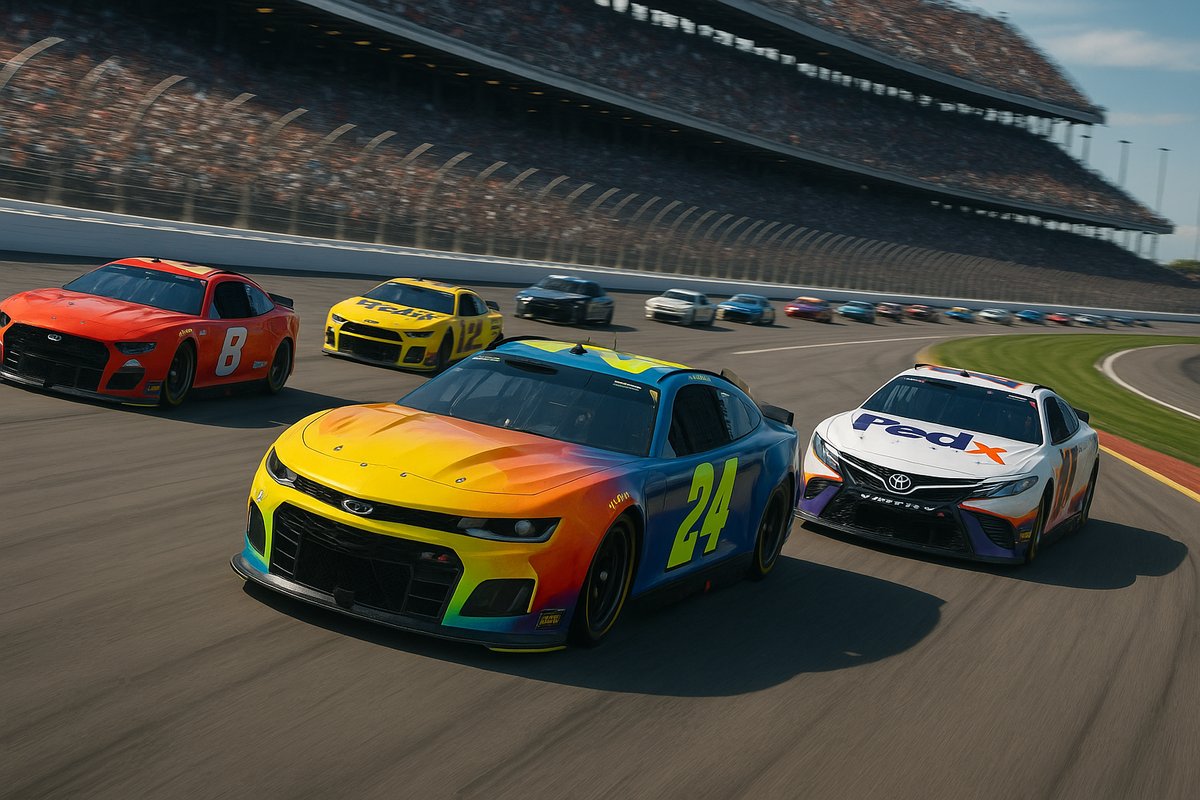
The 2025 NASCAR Cup Series calendar opens at Daytona and closes under the lights at Phoenix, with 36 events spread across superspeedways, short tracks, and the intermediate venues that make up the bulk of the season. From the pit lane perspective, this mix isn’t just about variety for fans—it’s a deliberate business decision that balances sponsor visibility, media windows, and the strategic demands placed on teams managing equipment across wildly different surfaces.
What teams don’t tell fans is how much schedule placement influences sponsor activation dollars. The Boyd Gaming 300 at Las Vegas and the Pennzoil 150 at Phoenix give those title sponsors prime early-season exposure when viewership is high and hospitality packages sell at a premium. Likewise, the Coca-Cola 600 at Charlotte remains the longest race on the calendar precisely because its Memorial Day slot commands top-tier advertising rates and corporate entertainment revenue that teams factor into their annual budgets.
Understanding the track types that dominate the 2025 schedule helps explain why certain races carry disproportionate weight in championship contention. Superspeedways like Daytona and Talladega reward aggressive pit strategy and fuel management, often deciding races in the final laps through bold calls that either pay off spectacularly or backfire under pressure. Teams test extensively at these venues because a single-lap miscalculation can erase weeks of points accumulation. The Daytona 500 in February sets the emotional tone for the entire season, while Talladega’s August date often reshuffles the playoff picture with unexpected winners emerging from mid-field positions.
Intermediate tracks—the 1.5-mile venues including Las Vegas, Atlanta, Charlotte, and Kansas—consume the majority of the 36-race schedule and represent the most consistent testing ground for competitive balance. These circuits demand precision in setup, tire management across multiple pit stops, and the ability to maintain speed while managing fuel consumption over 400+ miles. Teams invest more resources here than anywhere else because points won at intermediate tracks compound throughout the season. A strong Atlanta performance in March influences setup decisions through May, June, and beyond.
Short tracks present their own tactical challenges. Bristol’s concrete surface and tight configuration produce side-by-side racing and frequent cautions that compress race strategy into shorter windows. Martinsville’s egg-shaped mile-long layout punishes aggressive drivers while rewarding mechanical sympathy—losing a fender or breaking a suspension component can end a race even if the driver is talented enough to recover. Richmond’s similarly tight confines require different brake temperatures and fuel mapping than anywhere else on the schedule. Teams that excel at short tracks often do so because their engineers understand that these venues demand a different philosophy than the high-speed, high-downforce setup philosophies used elsewhere.
Team strategists are already mapping how the points structure rewards consistency rather than one-off heroics. Regular-season finishes pay 40 for the win down to lower increments, with stage points and lap-leader bonuses layered on top. Playoff qualification for the top 16 then resets the math, which is why you’ll see organizations allocate testing resources toward the intermediate tracks—Las Vegas, Atlanta, Charlotte—that appear multiple times and offer the best return on engineering investment.
The stage racing format introduced in recent seasons fundamentally changed how teams approach each race. Instead of viewing a 400-mile event as a single three-hour contest, crews now break races into three distinct 100-150 mile segments. This structure means drivers can gain or lose multiple points before the checkered flag even waves, creating strategic opportunities for underdog teams to accumulate stage points and stay relevant in the championship hunt. It also allows networks to insert natural commercial breaks, keeping sponsorship opportunities front and center for advertisers who pay premium rates for stage-ending moments.
Back-to-back weekends in the schedule create compounding fatigue for teams. The mid-May stretch that features both Charlotte and Coca-Cola 600 immediately followed by races at other venues tests pit crew endurance and logistics coordination like few other stretches. Haulers must travel hundreds of miles overnight, equipment must be unloaded, inspected, and rebuilt within hours, and crew members work shifts that often exceed 16 hours. Teams that manage this better than competitors gain an invisible advantage—fresher pit crews execute faster tire changes and fuel fills, translating directly to track position and race outcomes.
Weather becomes an increasingly critical variable as the schedule progresses. Early-season races at Daytona, Las Vegas, and Phoenix often occur in cooler conditions that affect tire grip and aerodynamic performance compared to the dog days of summer racing at Kentucky, New Hampshire, and Mid-Ohio. Late-season races at Charlotte in September and Kansas in October present mild temperatures and variable cloud cover that can shift track conditions lap by lap. Teams that understand how ambient temperature, humidity, and wind direction affect their specific car setup will adjust setup changes faster than competitors scrambling to react to changing conditions.
Facility upgrades at several venues are quietly aimed at improving racing quality while protecting the bottom line. New banking angles and surface work are designed to reduce single-file racing, which in turn keeps side-by-side action on camera longer—an important metric when networks and streamers negotiate rights fees. Sponsors notice when their logos stay visible during extended green-flag runs instead of disappearing behind a parade of cars.
The playoff opener returns to Las Vegas in September, a calculated move that keeps the first elimination round in a major media market before the championship finale shifts back to Phoenix’s short-track confines on November 16. That finale remains the ultimate test of execution: four drivers, one race, and the sponsor dollars that ride on the outcome. Phoenix’s unique characteristics—tight banking, relatively low grip, and a configuration that rewards precision over raw speed—mean that teams with the best communication between driver and engineer often prevail, regardless of horsepower advantages built throughout the season.
Fan attendance patterns also influence scheduling decisions in ways that aren’t immediately obvious. Races in major television markets with existing infrastructure—Los Angeles, New York, Chicago—draw corporate attendance regardless of competitive balance, while smaller markets require closer attention to on-track racing quality. This is why you’ll see NASCAR invest more heavily in track improvements at venues where regular-season attendance fluctuates based on competitive intensity and driver popularity.
From a business standpoint, the season’s real story isn’t just who lifts the trophy—it’s how teams convert track position, stage points, and sponsor alignment into the revenue needed to fund next year’s programs. The 2025 calendar simply sets the stage for that annual negotiation between speed, strategy, and the bottom line.