
NASCAR Cup Series Schedule
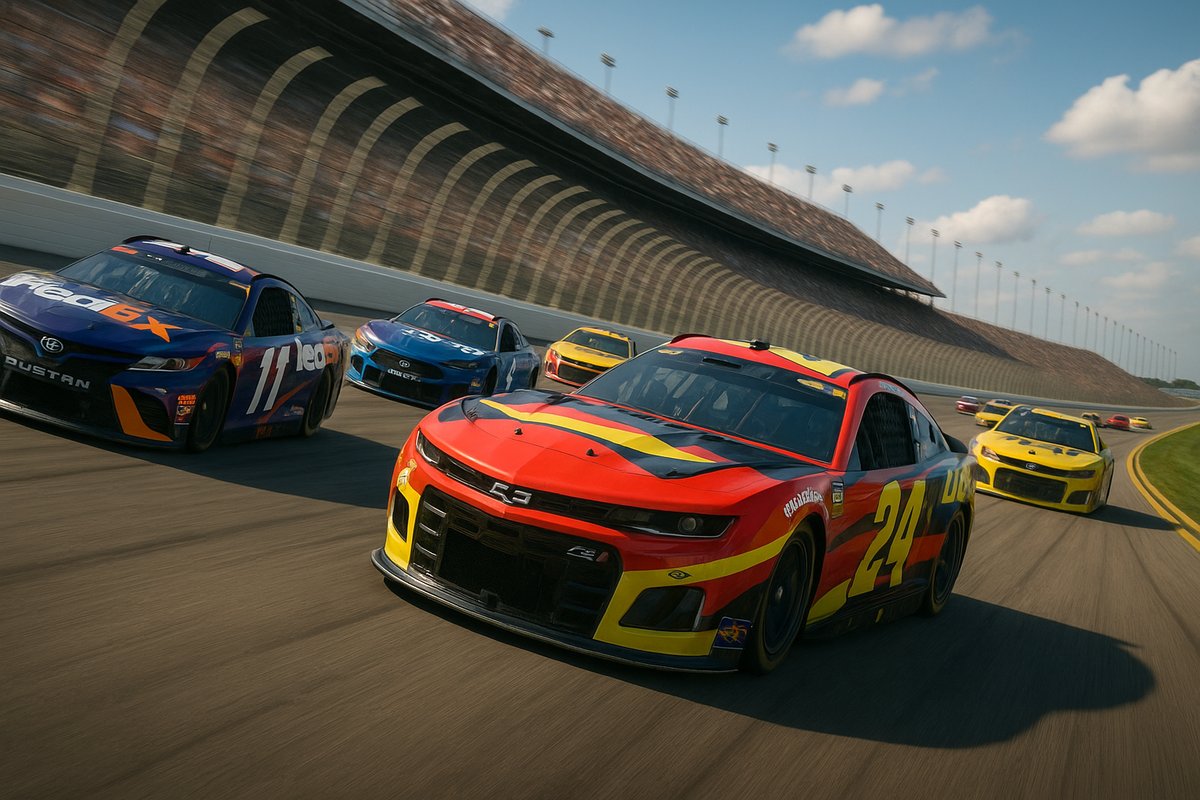
Y’all, when that green flag drops on the Daytona 500 come February 9, 2025, it’s like the whole dang season wakes up and starts breathing fire. Growing up in Charlotte, NASCAR wasn’t a hobby — it was life, and my granddaddy used to sit me on his knee talking about how he watched Daytona get carved out of that Florida sand. This year’s Cup Series schedule keeps that fire burning with 36 races that mix the big superspeedways, the bullrings, and everything in between.
The season opens at Daytona International Speedway for the Daytona 500 — 200 laps on that 2.5-mile superspeedway — then rolls to Las Vegas Motor Speedway for the Boyd Gaming 300 on February 15, Phoenix Raceway for the Pennzoil 150 on February 23, Bristol for the Food City 500 on March 2, Martinsville for the Martinsville 500 on March 9, Texas Motor Speedway for the ToyotaCare 250 on March 16, Atlanta for the FanShield 500 on March 23, Richmond for the AutoTrader EchoPark 400 on March 30, and straight into Talladega Superspeedway for the Bass Pro 500 on April 6. My granddaddy always said Talladega was where the big boys learned to dance in the draft, and that 188-lap shootout still proves him right every time.
From there it heads to Pocono for the Customers Bank 400 on April 13, then home to Charlotte Motor Speedway for the North Carolina Education Lottery 400 on April 20 and the Coca-Cola 600 on May 25 — both 400-lap intermediate battles right in my backyard. The playoffs kick off September 6 at Las Vegas again, and everything wraps with the championship showdown at Phoenix Raceway on November 16. That’s the bones of it, with the full 36-race slate filling in the rest of the calendar across all kinds of venues.
Now, track types tell the real story. Superspeedways like Daytona and Talladega give you those long straights and wild drafting packs where fuel strategy can flip everything in the last ten laps. Short tracks — Bristol, Martinsville, Richmond — are where the fenders get bent and patience meets pure aggression. Intermediate tracks like Charlotte, Atlanta, and Las Vegas make up most of the schedule and reward the teams that can run consistent all day long.
This year brings some fresh surface work and banking tweaks at a few places to keep the racing side-by-side instead of single-file parades. The points system stays the same smart setup: 40 for the win in the regular season, stage points at every break, and playoff points that carry forward. Top 16 drivers make the playoffs, then it narrows down to the final four at Phoenix where the champion is decided on the track.
Growing up trackside in Charlotte, I learned early that the real magic happens when a driver can master every kind of asphalt — from the high banks at Talladega to the tight corners at Martinsville. This schedule tests exactly that, and with the new aero tweaks aiming to open up more passing, we’re in for some proper door-to-door action all year long.
One thing folks don’t always realize is how brutal 36 races over nine months can be on a team. Between February and November, these crews are grinding week in and week out. That’s 36 opportunities to wreck a perfectly good race car, 36 chances for pit crew mistakes, and 36 chances to build or lose points on the championship. The margin between first and second place in the standings can come down to pit stop times measured in hundredths of a second or a single caution flag that bunches up the field at just the right moment.
The schedule balances out differently than people think too. You’ve got your repeat venues — some tracks show up twice on the calendar, like Las Vegas, Charlotte, and Phoenix — which rewards consistency and gives teams a second crack at figuring out setup issues. Then you’ve got your one-shot tracks where if something goes sideways, you’re waiting another whole year to get redemption. That’s why venues like Daytona and the Coca-Cola 600 carry so much weight in the championship conversation. Win one of those, and you’ve got playoff points in the bank that matter when September rolls around.
The early part of the schedule, those February and March races, they’re crucial for setting momentum. Teams that can find speed right away build confidence and resources. They get better equipment requests approved, better pit crew assignments, and more wind tunnel time to dial things in. That’s why drivers like traditional Daytona winners or guys who grew up racing short tracks punch above their weight early in the season. It’s not luck — it’s that their skill set aligns with those particular track types, and they’re building points while their car is fresh.
Come May and June, you hit that summer stretch where everybody’s carrying data from dozens of races. The pretenders have usually sorted themselves out by then, and the real contenders are starting to separate from the field. Teams are making bigger swings on setup because they know what works and what doesn’t. That’s also when we usually see some unexpected winners emerge — a mid-tier team that figures out something special or a driver who’s been running 12th all year and suddenly finds the magic formula at Road America or one of the other unique track layouts.
The second half leading into the playoffs is where the championship gets decided, even though the actual playoff doesn’t kick off until September. If you’re sitting around 13th through 20th in points by late August, the write-up might as well be on the wall. You’re fighting upstream with fewer playoff points and less leverage. Meanwhile, the guy leading the standings heading into the regular season finale has essentially locked in the number one seed and all the advantages that comes with — the first pick of pit crew assignments, extra hospitality, media attention that brings sponsorship dollars. In Cup Series racing, those advantages compound real fast.
The playoff format itself is a 16-driver, 10-race affair that eliminates drivers in waves. The first three races — what we call the Wildcard Round — you’re just trying to stay above the cut line. Then you get to the Round of 12, and suddenly the field’s smaller and meaner. Everyone left is a proven threat, and one bad weekend can end your championship hopes. The Cutoff races at Las Vegas, Homestead, and Martinsville are absolutely gut-wrenching because entire playoff campaigns hinge on single-day performances.
Then that final four at Phoenix — that’s where movies get made. You’ve got four drivers, four cars, and one championship trophy. Everything that happened over the previous 32 races becomes background noise. It’s winner-take-all, and the pressure is unlike anything else in racing. I’ve seen veterans with twenty-plus years of experience get visibly shaken before that race. I’ve seen young guns run the race of their lives and come up short by three hundredths of a second.
For fans, the beauty of this schedule is that there’s something for everybody. Love high-speed, pack racing? Daytona and Talladega are your homes. Prefer tight, technical racing where bump-and-run moves decide the outcome? Bristol, Martinsville, and Richmond deliver that every single time. Want to see the best teams show their quality over 400 laps of attrition-filled racing? Charlotte, Atlanta, and Kansas will show you exactly who’s got the best race car and the best driver. And if you like wild variables and strategy coming into play, the road courses — Sonoma, Road America, and Vegas — they’re where crew chiefs earn their paychecks.
This 2025 schedule is shaping up to be one of the best in years for pure racing quality and competitive balance. The cars are more equal than they’ve been in a while, the aero package opens up passing lanes, and you’ve got a deep field of hungry drivers all capable of winning on any given Sunday.