
NASCAR Hauler and Garage Tour Insights
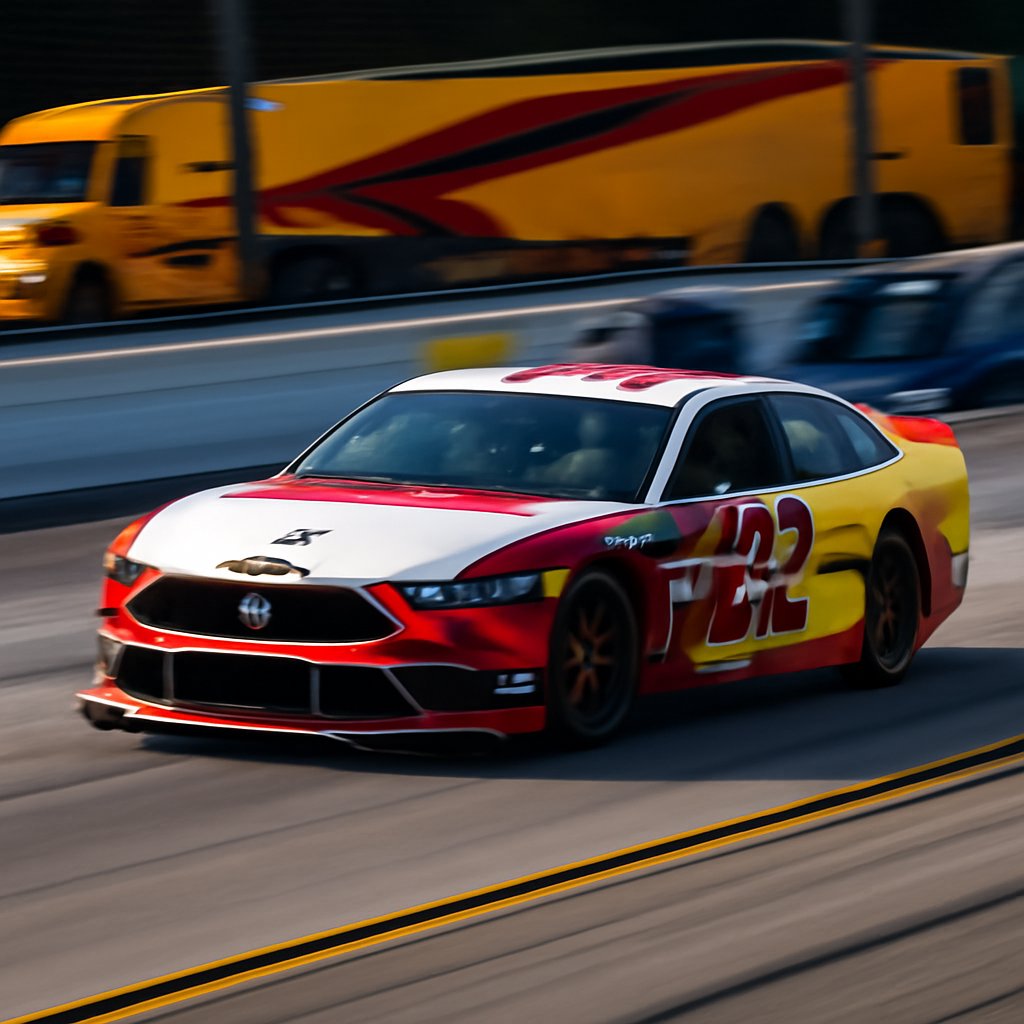
From the pit lane perspective, NASCAR’s hauler and garage operations represent far more than logistics—they’re the backbone of a multi-million-dollar enterprise where team strategy, sponsor visibility, and operational precision intersect every weekend. These behind-the-scenes elements turn raw investment into on-track results, and garage tours give fans a rare look at how organizations like Hendrick Motorsports and Joe Gibbs Racing manage it all.
NASCAR haulers have evolved into sophisticated mobile workshops essential for Cup Series competition. Today’s custom-built 18-wheelers come equipped with climate-controlled bays for two cars, extensive tool storage, and small living quarters for crew members during long hauls. Teams invest heavily in these rigs to protect equipment regardless of weather or the distance covered across the 36-race schedule. The average hauler costs between $750,000 and $1.2 million to construct, reflecting the premium engineering and materials required for high-performance racing environments.
Each hauler typically carries a primary race car, a backup chassis, and thousands of pounds of spare parts, tires, and electronics. Drivers such as Denny Hamlin and Chase Elliott depend on seamless hauler logistics to stay competitive at venues like Talladega Superspeedway or Bristol Motor Speedway. The process often begins mid-week, with rigs leaving North Carolina shops days ahead for setup and inspection. What teams don’t tell fans is that these mobile command centers also serve as prime real estate for sponsor branding, turning every arrival into a rolling billboard that reinforces partnerships with major backers.
The climate control systems inside modern haulers maintain precise temperature ranges—typically between 65 and 75 degrees Fahrenheit—to ensure that composite materials and electronics remain stable during transport. This attention to detail prevents thermal expansion and contraction that could alter vehicle setup before teams even arrive at the track. Some premium haulers feature separate climate zones, allowing teams to store delicate components like aerodynamic elements and brake systems in environments tailored to their specific material requirements.
Navigating cross-country routes brings its own hurdles. Hauler drivers must follow strict Department of Transportation rules while hitting exact arrival windows for garage load-in. Fuel costs, weather, and highway limits all feed into playoff planning, where even minor delays can disrupt carefully calibrated team strategy. Garage tours often show how these transporters double as connected hubs, complete with satellite links and real-time telemetry that keep engineers tied to the shop back home. Teams now employ logistics coordinators whose sole responsibility involves timing arrivals, monitoring fuel prices, and coordinating with track officials to ensure smooth entry procedures.
A NASCAR garage tour turns a standard race weekend into an educational experience, opening the restricted area where teams fine-tune machinery. Guests see mechanics making final adjustments, drivers reviewing data with engineers, and the focused energy that defines race-day prep at tracks like Las Vegas Motor Speedway and Phoenix Raceway. These sessions highlight safety protocols around fueling stations and fire systems while offering interactive elements such as crew-chief Q&As and demonstrations of how data shapes pit strategy.
The hauler setup process itself requires military-grade coordination. Teams typically spend 4-6 hours unloading, leveling, and configuring equipment once they reach the track. This includes setting up pneumatic systems, connecting power supplies to equipment, calibrating diagnostic computers, and organizing spare parts in a manner that allows pit crews to locate components in seconds during the race weekend. Spectators on garage tours witness this organized chaos, seeing how teams transform a 30-by-40-foot garage space into a fully functional race operation within hours.
Garage tours frequently connect directly to driver profiles, showing how stars like Kyle Larson mentally prepare inside the hauler environment. At road courses such as Watkins Glen, visitors receive track insights on cornering and how onboard simulators support practice. These details tie into broader race-results analysis, revealing how pre-race setups influence final standings and sponsor ROI. Many tours now include simulator demonstrations where fans can experience the g-forces and braking demands that drivers encounter at high-speed oval tracks.
Modern tours also showcase advanced technology inside haulers and pit stalls, from 3D-printed parts to wind-tunnel components. Crews explain how prior telemetry drives real-time changes, turning each event into a live laboratory that affects season-long results. From the pit lane perspective, this integration underscores the collaborative push between drivers, engineers, and hauler staff that keeps organizations ahead. Advanced data acquisition systems now collect over 100 channels of information per vehicle, with engineers analyzing everything from tire temperatures and fuel consumption to brake pressure and suspension movement—all in real time.
Teams also utilize augmented reality technology during garage tours to show fans how aerodynamic forces interact with vehicle components. This visual representation helps spectators understand why seemingly minor adjustments to wing angles or splitter heights can result in measurable lap-time improvements. Some premium garage experiences now include virtual reality simulations where fans can experience a lap from the driver’s perspective, complete with accurate telemetry-based physics.
Sustainability efforts surface too, including fuel-efficient hauler designs and recycling programs tied to NASCAR’s Green Initiative. These elements add business context to any track guide, showing how environmental considerations now factor into long-term operational planning. Many teams have implemented solar panels on hauler roofs to power auxiliary systems, reducing reliance on diesel generators during multi-day track events. Additionally, comprehensive recycling programs now reclaim used parts, tires, and fluids that previously went to waste, with some organizations reporting reductions in hazardous waste by up to 40% over the past five years.
The economic impact of hauler operations extends beyond individual teams. Track facilities generate significant revenue by offering premium garage tour experiences, with prices ranging from $50 to $300 per person depending on the venue and package inclusions. At major venues like the Indianapolis Motor Speedway, garage tours represent a substantial revenue stream while simultaneously deepening fan engagement and brand loyalty. Teams also benefit by using these tours as recruitment and marketing opportunities, showcasing their operations to potential sponsors and corporate partners.
Crew coordination inside the garage environment demonstrates the precision required for competitive racing. A typical Cup Series garage houses between 18 and 25 personnel during race weekend, including mechanics, fabricators, engineers, and technicians. Each crew member understands their specific role in pre-race preparation, race-day adjustments, and post-race analysis. This specialization allows teams to operate efficiently even during high-stress situations, such as managing multiple pit stops during a rain-delayed event or executing emergency repairs between practice sessions.
The relationship between hauler staff and pit crew frequently gets overlooked but remains critical to success. Mechanics who load and unload haulers become intimately familiar with component locations and vehicle setup, allowing them to troubleshoot issues faster during the race weekend. This institutional knowledge, built over seasons of traveling together, creates an advantage that newer or less-established teams struggle to replicate. Garage tours often highlight veteran crew members who have spent decades with single organizations, demonstrating how experience translates into on-track performance.
Key facts include:
– Each Cup Series hauler travels an average of 25,000 miles per season across 36 races plus testing.
– Garage tours at major venues like Indianapolis Motor Speedway host up to 50 participants per session after safety briefings.
– Modern haulers provide over 500 square feet of workspace with hydraulic lifts capable of raising 30,000-pound vehicles.
– Organizations typically field an average of 12 haulers to support multiple entries, testing programs, and backup equipment.
– Driver debriefs in hauler lounges often run 45 minutes after practice, involving engineers reviewing telemetry and mechanics discussing vehicle behavior.
– Garage allocations measure 30 feet by 40 feet at most Cup venues, requiring meticulous space management.
– Missed load-in windows can result in fines ranging from $500 to $5,000 depending on the infraction severity.
– Over 80% of race-winning strategies trace back to garage and hauler reviews conducted during practice and qualifying sessions.
– Premium haulers now include satellite internet with speeds exceeding 100 Mbps, enabling real-time data streaming to team shops.
Ultimately, these experiences close the distance between spectators and the high-stakes world of Cup Series racing. They highlight the logistics, technology, and business decisions that power every lap, whether you’re attending an event or tracking results from home. For fans seeking deeper understanding of competitive racing, garage tours represent invaluable opportunities to witness firsthand the complexity and precision that separates champions from competitors. The evolution of these operations continues as teams embrace new technologies and sustainability practices, ensuring that future generations of fans will have even more compelling behind-the-scenes experiences at their favorite NASCAR events.