
Top 5 Most Thrilling NASCAR Finishes
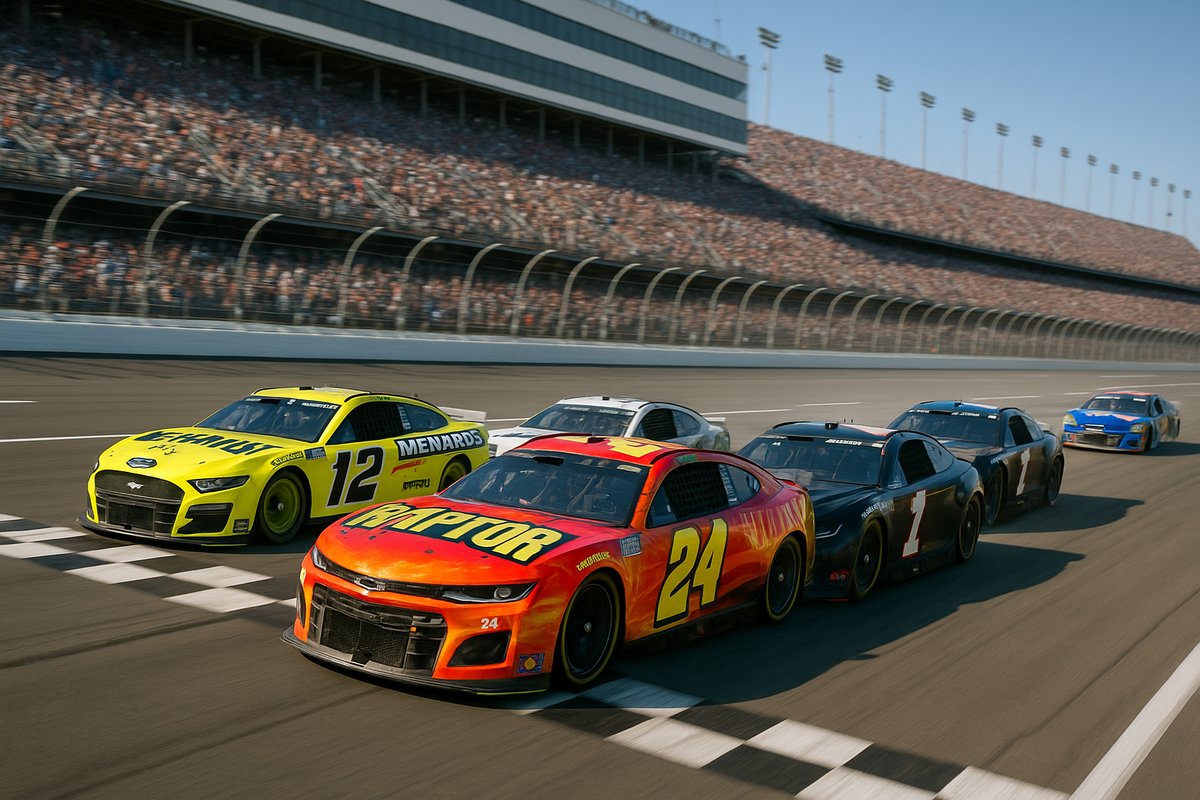
Thrilling NASCAR finishes have long driven fan engagement and sponsor value across the Cup Series, turning split-second decisions into lasting brand equity. From photo finishes measured in thousandths of a second to last-lap positioning battles, these moments underscore how driver skill, team execution, and strategic calls converge under the brightest spotlights. Drivers like Kevin Harvick, Dale Earnhardt Jr., and Denny Hamlin have delivered outcomes that extend well beyond the track, influencing everything from sponsorship renewals to media rights negotiations.
The 2007 Daytona 500 delivered one of the tightest margins in series history when Kevin Harvick’s No. 29 Chevrolet edged Mark Martin by 0.020 seconds. From the pit lane perspective, the restrictor-plate drafting packs forced crews to weigh aggressive fuel loads against the risk of running dry in overtime, a calculation that directly affected sponsor visibility during extended green-flag runs. Officials required photographic confirmation, creating a brief window of suspense that amplified broadcast ratings and sponsor impressions alike. What teams don’t tell fans is that such razor-thin results often trigger immediate post-race debriefs on aerodynamics and fuel strategy that carry into the next superspeedway event. Harvick’s victory demonstrated the critical importance of pit crew precision during the final stops, where even a single tenth-of-a-second advantage in service time could make the difference between victory lane and second place. The margin was so tight that NASCAR’s electronic timing systems had to be cross-referenced with high-speed camera footage to determine the winner, setting a precedent for how future photo finishes would be adjudicated.
Denny Hamlin’s 2020 Daytona victory by 0.010 seconds over Ryan Blaney and Chris Buescher in a three-wide finish further illustrated the business calculus at play. Hamlin’s Toyota benefited from precise overtime pit strategy amid a crash-filled afternoon, keeping the No. 11 car in clean air while sponsors like FedEx capitalized on extended television exposure. The high-banked pack racing created constant position swings that rewarded teams willing to sacrifice early-lap track position for stronger closing speed. This finish was particularly remarkable because it occurred during a season heavily impacted by pandemic-related scheduling changes, making the competitive nature of the race even more significant for television ratings and fan morale. The three-way photo finish became only the second time in Daytona 500 history that three cars crossed the finish line within 0.010 seconds of each other, underscoring the level of competitiveness at NASCAR’s premier event.
The 1992 Hooters 500 at Atlanta Motor Speedway turned championship math into prime-time drama when Alan Kulwicki claimed the title over Bill Elliott by just 10 points. Kulwicki’s decision to prioritize laps led while managing tire wear and fuel mileage reflected a sponsor-aware approach that protected Hooters branding through consistent on-screen time. This calculated conservatism in the final stage highlighted how points battles translate directly into long-term team valuation and driver contract leverage. Kulwicki’s championship run was particularly noteworthy because it represented one of the last seasons where a driver-owner could viably compete for a Cup Series title, as the sport’s economics began to shift toward larger, multi-car operations with deeper sponsorship resources. His strategic approach to lap leading—banking bonus points rather than pushing for early wins—became a blueprint for championship contenders facing similar scenarios in future seasons.
Talladega’s 2011 Aaron’s 499 produced chaos when a 30-car incident on the final lap allowed Jimmie Johnson to slip through for the win. The Aaron’s sponsorship received an unexpected boost from the reshuffled field, while Johnson’s Hendrick Motorsports crew demonstrated the value of pre-race positioning drills that paid off amid the unpredictability. Debates over superspeedway rules that followed influenced subsequent safety investments, a line item that now factors into every team’s operating budget. The massive final-lap wreck raised significant questions about pack racing dynamics and driver safety protocols, leading NASCAR to implement additional communication guidelines and positioning strategies for superspeedway competition. Johnson’s ability to navigate the chaos demonstrated the importance of situational awareness and vehicle control during high-speed, multi-car incidents—skills that separate championship-caliber drivers from the rest of the field.
At Bristol in 2015, Matt Kenseth held off Denny Hamlin by less than a car length after a late restart in the Food City 500. The short-track concrete amplified contact risks, forcing teams to balance aggressive side-by-side racing with sponsor equipment preservation. Over 20 lead changes maximized television inventory, directly benefiting Food City through repeated logo exposures during the 500-lap grind. Bristol’s unique abrasive concrete surface made tire management particularly critical, as drivers had to account for rapid tire degradation while maintaining the aggressive positioning needed to compete for the lead. Kenseth’s victory showcased his mastery of short-track racing, a skill set that has made him one of the most consistent performers at venues like Bristol, Richmond, and Martinsville throughout his career. The 20-plus lead changes also highlighted how Bristol’s compact 0.533-mile configuration creates constant passing opportunities and position swaps that keep fans engaged throughout the event.
Dale Earnhardt Sr.’s 1995 Brickyard 400 victory over Jeff Gordon at Indianapolis Motor Speedway showcased fuel-mileage and tire-management strategy on the 2.5-mile layout. The outside pass attempt in the closing laps delivered one of the event’s signature moments, elevating Brickyard attendance figures and solidifying Earnhardt’s marketability for Chevrolet partners. Earnhardt’s aggressive passing maneuver on Gordon, executed with the precision of a seasoned veteran racing against an emerging superstar, created a compelling narrative that transcended the sport. The victory also carried symbolic weight, as it represented Earnhardt’s continued competitiveness despite the changing demographics of NASCAR’s driver lineup. Indianapolis Motor Speedway’s unique characteristics—banking, width, and mile-and-a-half length—required distinct strategic approaches compared to traditional oval tracks, and Earnhardt’s ability to adapt his fuel and tire strategies to these variables demonstrated his comprehensive understanding of racecraft.
What makes these finishes particularly memorable is their unpredictability combined with the visible execution of strategy that fans can appreciate. Whether it’s watching pit crews execute flawless stops, seeing drivers manage fuel consumption across the final laps, or witnessing split-second decisions under extreme pressure, these moments encapsulate everything that makes NASCAR compelling. The convergence of human skill, mechanical reliability, and strategic decision-making creates narratives that extend far beyond the final checkered flag.
These finishes demonstrate how strategy, sponsor alignment, and raw execution continue to shape the Cup Series’ commercial appeal, ensuring dramatic conclusions remain central to the sport’s economic engine.