
Ultimate Guide to NASCAR Race Weekend
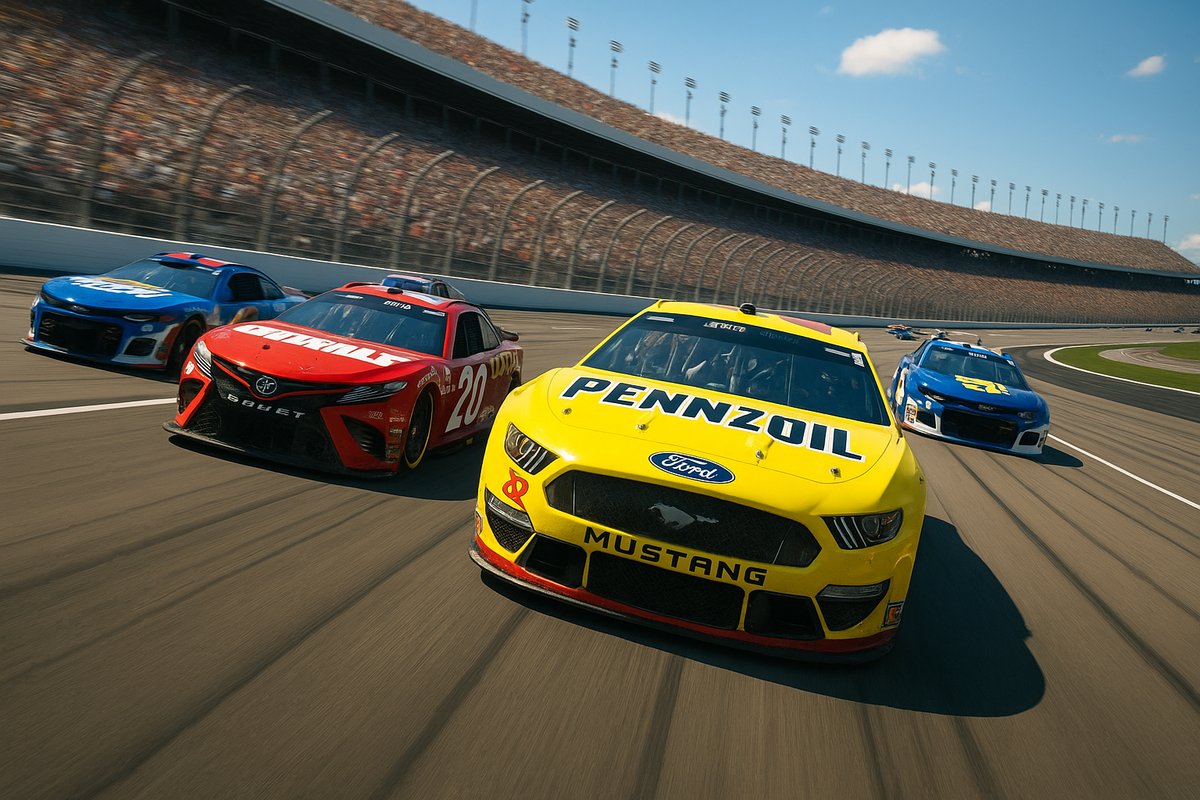
Growing up in Charlotte, NASCAR wasn’t a hobby — it was life, with the roar of engines echoing from the speedway my granddaddy helped shape back in the day. A NASCAR race weekend delivers that same high-speed thrill mixed with pit strategy and pure competition in the Cup Series, whether you’re a longtime fan or showing up for the first time at places like Daytona International Speedway or Charlotte Motor Speedway. From Thursday hauler parades rolling in to Sunday’s checkered flag, this guide walks you through every bit of attending, including schedules, fan fun, driver stories, and tracking those live results.
My grandfather watched this track get built, and he always said the weekend builds like a good Southern supper — slow at first, then all fire. It runs four days with a rhythm that gets folks fired up while teams tweak their cars. Thursday brings haulers and meet-and-greets with the Cup stars. Friday starts practice where drivers like Kyle Larson and Denny Hamlin dial in setups, plus Xfinity Series runs that let rising talent shine early.
Practice gives teams key numbers on tires and aerodynamics, especially at superspeedways where drafting rules. You can watch from the stands or follow timing on the app, and there are driver intros and autographs to meet folks like Martin Truex Jr. and Chase Elliott up close. Teams spend hours adjusting spring rates, downforce levels, and brake balance during these sessions. Crew chiefs make real-time adjustments based on track temperature and fuel loads, so what works in the cool morning might need tweaking by the hot afternoon. For fans, this is prime time to grab a good spot along pit road or the backmarch where you’ll see the cars at full throttle without the crowds of race day.
Saturday qualifying sets the lineup with those single-lap battles for the pole, often heart-stoppers. Get there early to wander the midway for gear and eats. Truck Series or ARCA races throw in extra battles that hint at future Cup contenders. Qualifying format varies by track — some venues use traditional single-car runs against the clock, while others employ group qualifying or round-robin formats that add unpredictability. The pole position winner earns massive bragging rights and, more importantly, track position that statistically favors winning the race. Teams spend all week preparing a specific qualifying setup that prioritizes speed over race-day fuel mileage and handling balance, sometimes to dramatic effect when a driver splits both lines to gain that extra tenth of a second.
Race day turns the whole place electric with flyovers and the anthem before the green flag. It’s a 500-mile fight split into stages, points on the line at each break. Pit crews hustle stops under 12 seconds to grab position. Weather and cautions can flip everything, like the pack racing at Talladega that needs its own playbook, or road courses like Watkins Glen that test handling. Listen in on scanners for crew-chief calls from drivers like Joey Logano. The stage-racing format introduced in 2017 fundamentally changed strategy, rewarding teams that can peak at multiple points rather than saving everything for the final laps. Drivers who finish in the top ten of each stage earn playoff points, creating a lottery-like tension throughout the afternoon as positions shuffle and fuel strategies diverge.
Modern tracks offer family areas, simulators, and exhibits to learn the history. Stay hydrated in the heat, fire up the tailgates like we do around Charlotte, and use apps for updates on the action. Many venues now feature immersive experiences where fans can sit in a stock car cockpit, try a pit crew simulator, or walk through museum exhibits showcasing legendary machines and memorabilia. The fan experience has evolved dramatically — mobile apps now let you watch multiple camera angles, listen to driver and crew-chief radio, check live leaderboards, and even order food delivery to your seats. Parking arrives days early for serious fans who want prime tailgate real estate; the pre-race atmosphere often rivals the race itself as families crack open coolers, throw cornhole, and swap stories under the sun.
Driver know-how of certain tracks often decides wins. Veterans like Kevin Harvick own spots like Phoenix with its banking, while younger guns such as Tyler Reddick attack intermediate tracks with smart aggression. Late restarts separate the champs, and history shows top-10 qualifiers take 70 percent of victories. Track-specific knowledge runs deep in NASCAR — some drivers excel on high-banked ovals where they can run the high line, others thrive on flat tracks demanding precise throttle control, and a rare few master both. Chase Elliott has proven himself a road-course ringer, while drivers like Denny Hamlin consistently excel at superspeedways where patience and drafting strategy trump raw speed. The data bears this out: over a five-year stretch, the same drivers consistently finish strong at their preferred venues, suggesting that setup knowledge, comfort level, and crew coordination matter as much as raw car performance.
Each venue brings its tests — Bristol’s banking for bold passes, Sonoma’s hills for stamina. Past results at Daytona, which has run over 60 Cup events since 1959, help guess how tires or rain might hit drivers like Brad Keselowski. Daytona in particular presents a unique beast where fuel mileage, pack racing dynamics, and the unpredictable nature of 200-mph drafting can make any driver a contender in the final laps. The track’s history since that first race in 1959 shows that preparation and adaptability matter more than raw speed — some of the greatest Daytona winners arrived with mid-pack cars that peaked at exactly the right moment.
After the win, press conferences spill the beans on what broke or what worked. Social media keeps the highlights alive, and some tracks run Monday garage tours for deeper looks inside. The post-race narrative matters enormously in NASCAR fandom; fans dissect pit strategy decisions, brake failures, and tactical restarts across forums and social channels long after the checkered flag. Monday garage tours, offered at many major venues, let hardcore fans see the actual cars, damaged bodywork and all, while crews explain setup choices and damage assessment. These behind-the-scenes peeks have become valued experiences that deepen fan connection to teams.
Here are the straight facts that hold up every time: Cup races average 3.5 hours and over 200 laps on most ovals. Stars like Kyle Busch have racked up more than 60 wins across track types. Stage racing since 2017 has bumped lead changes by 25 percent and hands out playoff points. Weekends pull 50,000 to 150,000 fans depending on venue size and popularity. Pit stops swap four tires and fuel in under 10 seconds — the fastest crews execute changes in 11-12 seconds total, with tire carriers and carriers working in perfect synchronization. Pit crew members train year-round in dedicated facilities, treating their craft with the seriousness of professional athletes. And those iconic venues like Talladega keep the tradition alive for generations. Talladega’s unique tri-oval design and steep banking create pack racing conditions found nowhere else, making it a fan favorite for unpredictable finishes and dramatic passes.
Weather plays a massive role in race weekends that casual fans often underestimate. Rain can wash away scheduled practice sessions or delay qualifying, forcing teams to set up cars based on limited data. Track temperature swings from morning to afternoon can shift handling dramatically — a car that felt perfect in cool practice might be loose and dangerous in 90-degree heat. Wind direction affects downforce levels and drag on straightaways. Teams obsess over weather forecasts and adjust fuel strategies, tire choices, and aerodynamic setups accordingly. A weekend that looked dry Tuesday might require a complete strategy pivot by Thursday morning.
Mastering a NASCAR weekend turns you from a watcher into a true believer who gets the speed, the chess game of strategy, and the show. Follow the schedule, study the drivers, and use the track guides to soak it all in from arrival to the last lap. Whether chasing results or just breathing in the atmosphere at Charlotte or Daytona, nothing else in motorsports matches it. Plan smart, stay sharp, and get ready for the kind of action that keeps families like mine coming back year after year. Bring a scanner to pick up radio chatter, study the track layout before you arrive, and don’t skip the supporting series races — Truck Series and Xfinity races often feature closer, more aggressive racing than the Cup Series, with drivers hungry to prove themselves and move up the ladder.