
Understanding Modern NASCAR Pit Stop Techniques
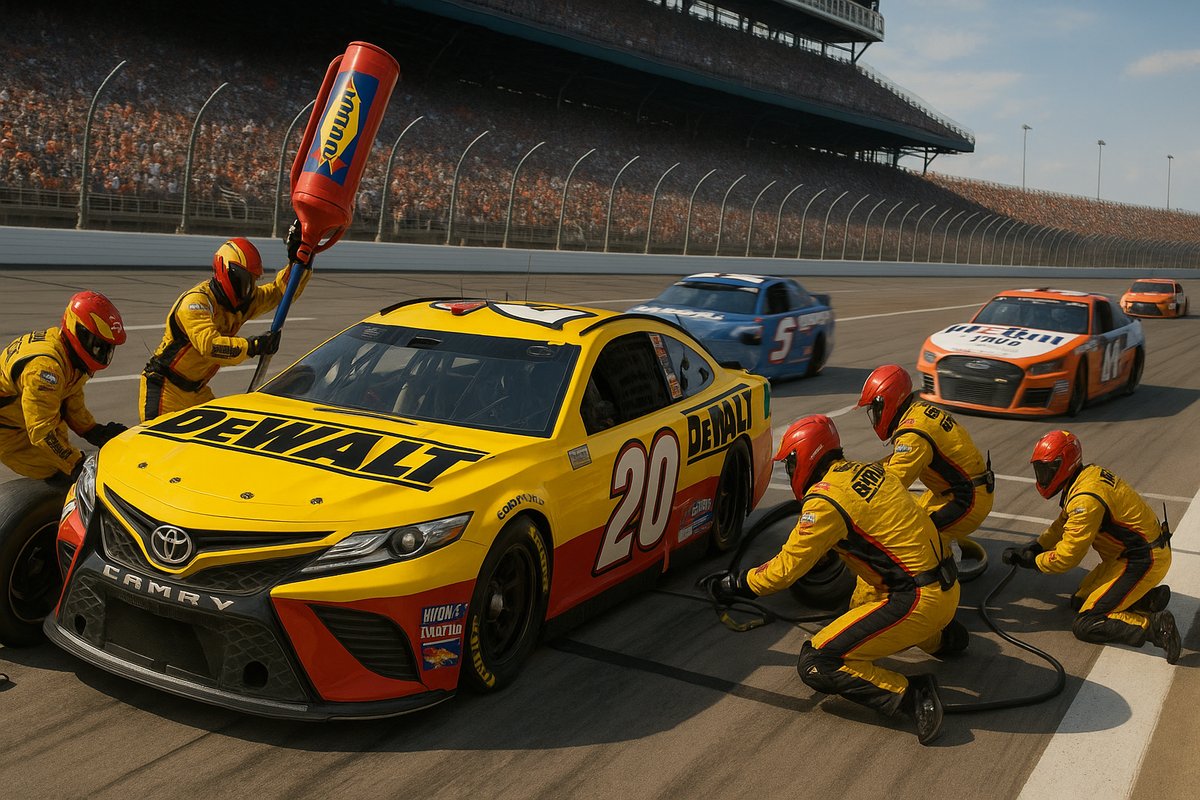
In the high-stakes world of Cup Series racing, modern NASCAR pit stop techniques aren’t just about raw speed—they’re a calculated business lever that can swing sponsorship ROI and championship points in equal measure. These sub-12-second operations blend athletic precision with data-driven strategy, often deciding track position at venues like Daytona or Talladega where margins define season-long revenue streams for teams and their backers.
From the pit lane perspective, the evolution of these stops reveals how rule tweaks and equipment upgrades have turned rudimentary 30-second halts into choreographed efficiencies. Early NASCAR crews handled tasks solo with basic tools, but the 1990s shift to pneumatic impact wrenches slashed tire times dramatically. What teams don’t tell fans is that ongoing NASCAR adjustments to pit road speeds and fuel can sizes—such as the 2016 smaller-can mandate—force constant refinements that prioritize both safety and the optics that keep sponsors engaged at places like Charlotte Motor Speedway.
Core execution falls to a five-person over-the-wall unit supported by off-wall analysts. The jackman lifts the car in one motion while tire changers work both sides in sync, and the fueler handles dual cans with radio updates to the crew chief. These roles require year-round regimens of weight training and reaction work, directly tying into how teams market their operational excellence to attract and retain corporate partners.
Specialized training leans on simulators and video breakdowns, with athletes drilling tire swaps blindfolded for muscle memory. This prep pays dividends during cautions, where superior stops convert into positions that bolster team standings and, ultimately, sponsor visibility across the broadcast. Pit crew members often undergo cardiovascular conditioning programs comparable to those of professional athletes in other sports, as they must perform explosive movements while maintaining precision under intense pressure and extreme heat from the racing surface.
The physical demands placed on pit crew members cannot be overstated. A front tire changer may sprint to position while carrying impact wrenches weighing several pounds, then execute perfectly timed lug nut removal and installation in a window of just two to three seconds. The repetitive nature of these motions, combined with the need for explosive speed, makes injury prevention a critical component of team operations. Many NASCAR teams now employ dedicated sports medicine staff and strength coaches who work year-round to keep pit crew athletes in peak condition.
Advanced tire and fueling methods now emphasize synchronized four-lug patterns with built-in torque checks, plus on-the-fly aerodynamic tweaks like wedge shims. Anti-spill nozzles enable instant departures, adapting further at road courses such as Watkins Glen to support fuel-mileage plays that teams use to optimize both performance and sponsor-aligned marketing moments. The fuel cans themselves have become sophisticated pieces of equipment, designed to deliver precise quantities of fuel while minimizing spillage and maintaining balance during the stop.
Communication protocols between the pit crew and driver form another critical layer of modern pit stop strategy. Crew chiefs must relay information about tire conditions, fuel levels, and chassis adjustments in real-time, while drivers provide feedback that influences pit strategy for subsequent stops. This constant dialogue, often conducted through radio transmissions amid deafening crowd noise, requires clarity and standardized terminology that teams develop and refine throughout the season. Advanced headset technology now allows for clearer communication, reducing miscues that could cost precious tenths of a second.
Wireless sensors and onboard cameras feed real-time tire and fuel data, transforming stops into analytics hubs that align with driver profiles and season tracking. From a business angle, this tech edge helps teams demonstrate measurable value to sponsors hungry for data-backed exposure. Beyond sponsorship appeal, this data drives competitive advantage by allowing teams to identify patterns in tire wear, fuel consumption, and optimal pit window timing. Machine learning algorithms now analyze hundreds of data points from each pit stop, helping teams predict performance outcomes and adjust strategies accordingly.
The role of pit stop strategy in overall race outcomes has grown significantly as technical regulations have tightened. When all cars are running relatively similar equipment due to spec regulations, the margin between winners and mid-field runners often comes down to pit execution and fuel strategy. Teams that master the art of fuel-mileage calculations can stretch fuel further than competitors, allowing drivers to pit later or carry more fuel into critical final laps. This advantage has determined numerous race outcomes at tracks where fuel mileage is tight, such as Michigan International Speedway and Las Vegas Motor Speedway.
Key benchmarks underscore the impact: top teams average 9.8-second four-tire stops in 2023, with service times down 40 percent since 2000. Over 60 percent of recent wins trace to pit strategy gains alone, backed by more than 500 practice stops per crew annually. At superspeedways, refined fuel-only sequences dip under four seconds. These statistics highlight just how critical pit crew efficiency has become in determining championship outcomes. The gap between a first-place finish and a fifth-place finish can often be traced directly back to pit crew performance during critical moments in the race.
Different track layouts necessitate different pit strategies, and teams must develop contingency plans for various race scenarios. At short tracks, where cautions are frequent and track position is paramount, pit crew speed becomes almost as important as driver skill. At mile-and-a-half tracks, fuel strategy often dominates decision-making, with crews calculating precisely how much fuel is needed to reach the next pit cycle or the finish line. Superspeedway racing introduces additional variables, such as the need to fuel quickly under tight caution periods or the strategic decision to take fuel-only stops to gain track position without losing time for tire changes.
The equipment used by pit crews continues to evolve, with teams working closely with suppliers to develop tools that offer marginal improvements in speed and reliability. Impact wrenches have become progressively lighter and more powerful, while jackman equipment has been refined to ensure consistent lift height and stability. Even the design of lug nuts has been subject to optimization, with manufacturers working to create lugs that can be tightened with greater consistency and speed without sacrificing safety.
Ultimately, these techniques form the operational backbone that links on-track results to the broader economics of NASCAR, where every refined motion supports the partnerships driving the sport forward. As NASCAR continues to evolve its regulations and technical specifications, pit crews will undoubtedly adapt and innovate further, seeking new ways to shave milliseconds from their stops and gain competitive advantages that translate into victories and championships.
Sources
- NASCAR.com News – Official NASCAR news and updates on racing techniques and pit crew operations
- ESPN Racing – NASCAR coverage and analysis of race strategies and pit stop performance
- Motorsport.com NASCAR – In-depth NASCAR coverage including technical analysis and pit crew innovations
- NASCAR Cup Series – Official series information with technical regulations and pit stop standards