
How Denny Hamlin Built His NASCAR Legacy
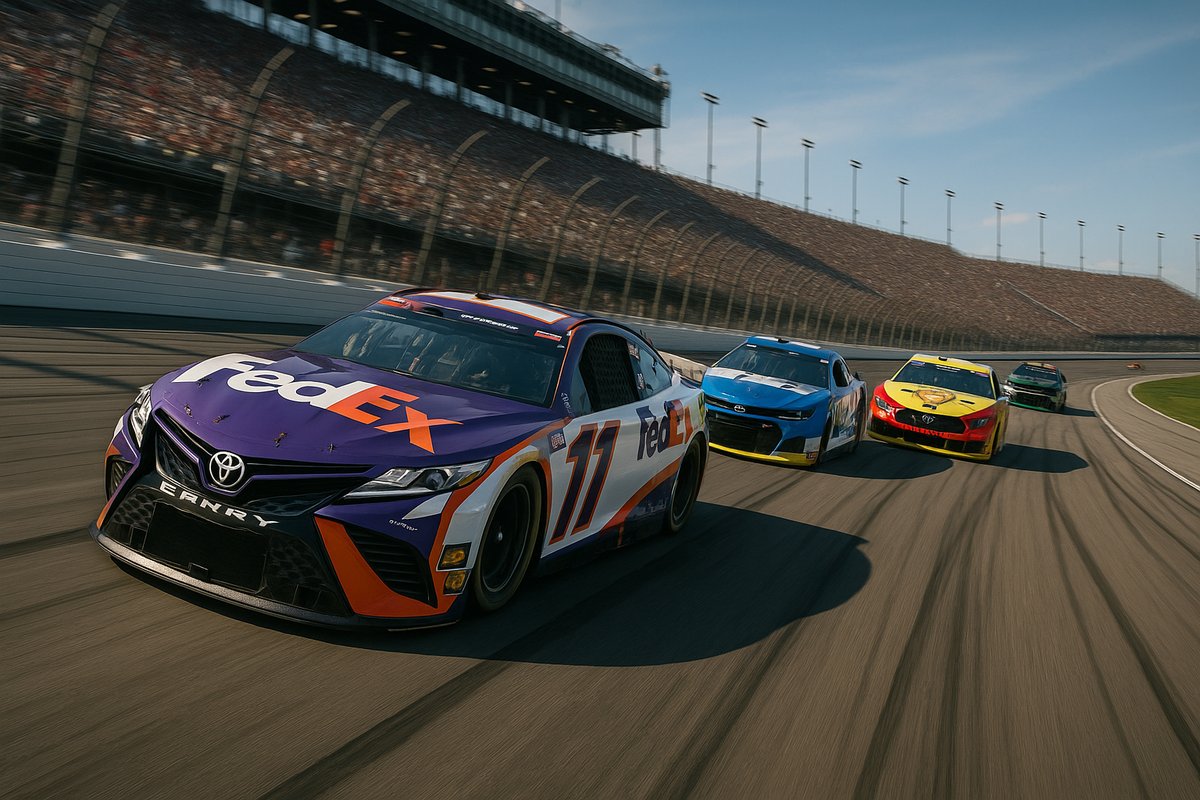
Denny Hamlin’s career arc offers a masterclass in how sustained performance, sharp racecraft, and long-term alignment with a top-tier organization can create lasting enterprise value in NASCAR. From the pit lane perspective, his journey reflects not only on-track results but also the careful cultivation of sponsor relationships and team infrastructure that keeps programs like Joe Gibbs Racing competitive year after year.
Hamlin’s path began on Virginia short tracks, where early success in late models drew attention from series scouts and opened doors into what was then the Busch Series. Those formative years at places like South Boston and Richmond instilled the calculated aggression that later translated into consistent Cup Series results, a foundation that has helped sustain his marketability to sponsors seeking reliable exposure. His development through the ranks demonstrated a rare combination of raw speed and maturity—traits that caught the eye of Joe Gibbs himself, a legendary coach-turned-team-owner who understood the value of investing in young talent with championship pedigree.
The move to Joe Gibbs Racing in 2005 marked a pivotal strategic investment for both driver and organization. Piloting the No. 11 Toyota, Hamlin delivered a victory in his ninth start, immediately elevating the team’s profile. What teams don’t tell fans is how quickly such early wins can accelerate sponsor activation cycles; the subsequent partnerships with crew chiefs Mike Ford and later Chris Gabehart refined car-handling communication that optimized intermediate-track performance while protecting tire life, a detail sponsors notice when evaluating return on their weekend commitments. This early chemistry between driver and crew chief became a template for sustained success—Hamlin understood that building trust with his pit crew and engineering staff was as critical as his own performance behind the wheel.
Throughout his tenure at Joe Gibbs Racing, Hamlin has also become instrumental in elevating teammates. His willingness to share setup information, feedback on car balance, and strategic insights has contributed to the overall competitiveness of the entire operation. This collaborative approach within the garage has strengthened JGR’s organizational culture and made the team an attractive destination for sponsorship partners who value stability and collective excellence rather than relying on a single star driver.
Adapting to NASCAR’s evolving playoff format proved another business advantage. Multiple runner-up championship finishes have kept Hamlin in the spotlight during the postseason window, when media impressions and sponsor hospitality opportunities peak. That consistency has made the No. 11 program a stable platform for partners seeking predictable activation rather than boom-or-bust results. His 2010 near-championship run and subsequent playoff appearances demonstrated an ability to elevate performance when it matters most, a trait that separates perennial contenders from one-hit wonders in professional motorsports.
Dominance at Darlington and Kansas underscores how track-specific expertise compounds over time. These venues reward the smooth, data-driven style Hamlin refined across two decades, generating repeated wins that boost both team valuation and sponsor visibility on highlight reels. At Daytona, his two victories, including the 2016 500, illustrate calculated restrictor-plate strategy that maximizes drafting partnerships and restart timing, elements that resonate with marketing teams focused on marquee-event exposure. His mastery of superspeedway racing also demonstrates adaptability—a critical skill in NASCAR where rule changes and car specifications can shift dramatically from season to season.
Beyond raw statistics, Hamlin’s influence on modern NASCAR strategy cannot be overstated. His advocacy for driver safety improvements, including input on car design and track modifications, reflects a maturity often absent in younger competitors. He has served as a bridge between the old guard and emerging talent, mentoring drivers who would eventually compete against him while maintaining competitive fire on the track. This balance between collaboration and competition exemplifies the kind of leadership that builds legacies transcending individual race victories.
The business empire Hamlin has constructed off-track further solidifies his NASCAR legacy. His ownership stake in 23XI Racing, the team founded in partnership with basketball legend Michael Jordan, represents a bold entrepreneurial move that elevated his status beyond driver to team owner. This venture has introduced new audiences to NASCAR while creating opportunities for emerging talent and diversifying revenue streams. The 23XI Racing initiative demonstrates how modern NASCAR athletes leverage their platform and expertise to build multi-dimensional careers.
Hamlin’s relationship with Toyota deserves particular mention. His consistent performances in the manufacturer’s vehicles have made him a marquee ambassador for the brand in American motorsports. Toyota’s long-term commitment to competitive NASCAR programs, anchored by drivers like Hamlin, reflects the manufacturer’s recognition that Cup Series racing serves as both a testing ground for performance technologies and a marketing platform reaching millions of enthusiasts. This symbiotic relationship has benefited both parties and positioned Hamlin as a central figure in Toyota’s motorsports narrative.
Statistically, the ledger remains impressive: more than 50 Cup victories, over 200 top-five finishes, three Daytona 500 poles, and consistent top-10 points finishes across fifteen-plus seasons. These milestones reinforce Hamlin’s role as both a points earner and a mentor within the JGR stable, helping develop younger talent while protecting the long-term equity of sponsor-backed programs. His consistency in accumulating these achievements across multiple generations of cars and rulebooks speaks to his adaptability and commitment to excellence.
From a business standpoint, Hamlin’s legacy is defined less by a single championship and more by the steady accrual of competitive capital—wins, playoff appearances, and institutional knowledge—that continues to deliver measurable value to teams and partners alike. His influence on the sport extends through his podcast, media appearances, and social media presence, where he provides insight into the technical and strategic elements of NASCAR that resonate with both casual fans and industry professionals. As he balances driving duties with guiding the next generation through 23XI Racing and his advisory role at Joe Gibbs Racing, that influence extends well beyond the current season’s standings, cementing his position as one of NASCAR’s most consequential figures of the modern era.