
How Martin Truex Jr Achieved Racing Consistency
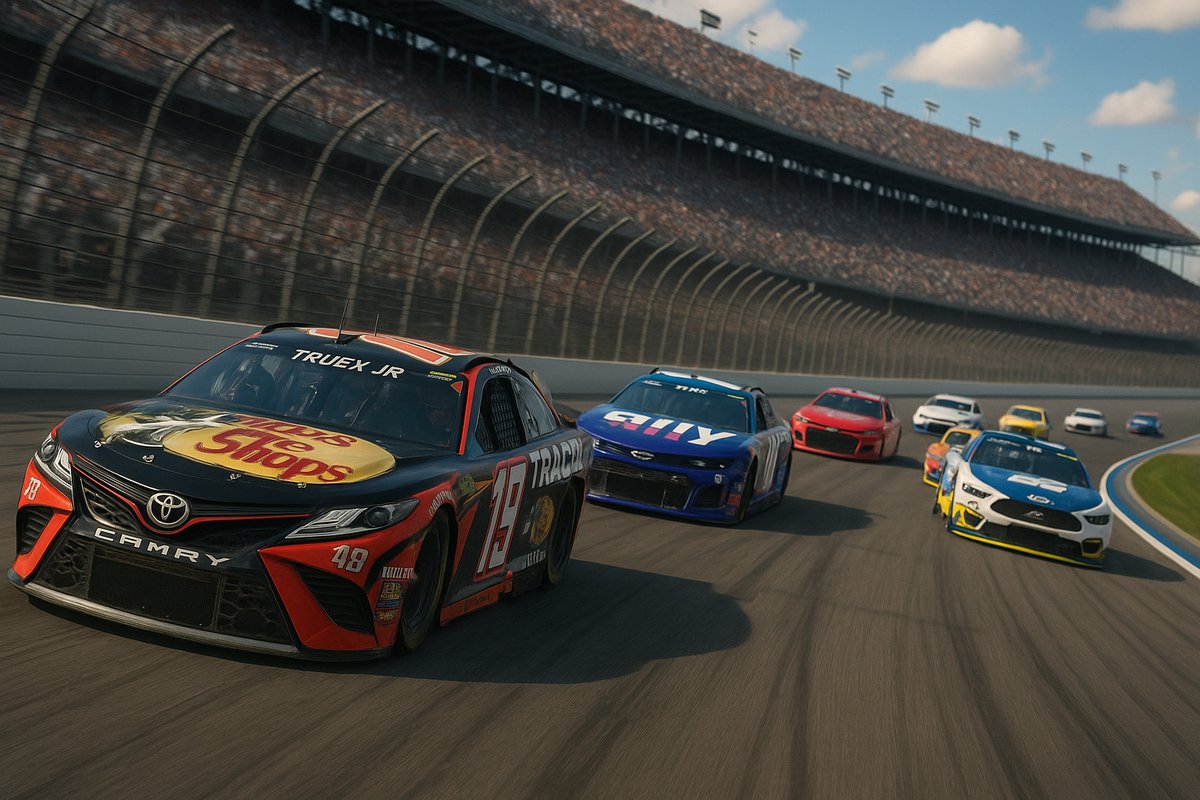
Y’all, Martin Truex Jr racing consistency stands as one of the most admired traits in modern NASCAR Cup Series history. Over nearly two decades, the New Jersey native has transformed from a promising talent into a benchmark for steady excellence, delivering top finishes season after season regardless of equipment or circumstances. Growing up in Charlotte, NASCAR wasn’t a hobby — it was life, and watching drivers like Truex grind out results week after week reminds me of those old-school guys who built this sport right here in the Carolinas. This profile explores the deliberate habits, team choices, and mental approach that allowed Truex to rack up wins, stage points, and championship contention while minimizing the dramatic swings that derail many drivers.
Martin Truex Jr began his Cup Series journey in 2004 with Dale Earnhardt Inc., quickly learning that raw speed alone would not guarantee long-term success. My grandfather watched this track get built back in the day, and he always said the real winners learn from the hard knocks, just like Truex did with those early mechanical issues and inexperience at places like Daytona. By the time he moved to Michael Waltrip Racing in 2009, he had already developed a reputation for methodical track notes that helped crews make precise adjustments during practice. This attention to detail became the bedrock of his later consistency, especially at intermediate tracks like Kansas and Texas where small setup changes yield large gains over 400-lap races.
Working closely with crew chief Cole Pearn later in his career, Truex emphasized simulator time and data review between events. Rather than chasing every new aerodynamic trend, he focused on repeatable car balance that allowed him to stay within striking distance of the leaders even on off nights. NASCAR analysts often cite his ability to finish inside the top 15 on days when the car lacked outright pace as a primary reason for his sustained playoff appearances across multiple teams.
The 2015 and 2016 campaigns with Furniture Row Racing marked the true emergence of Martin Truex Jr racing consistency at the highest level. In 2015 he recorded 20 top-10 finishes, a career best at the time, while avoiding the kind of DNFs that plagued rivals. The following year he secured his first career pole at Michigan and posted eight top-five results, proving the single-car team could compete with multicar powerhouses through superior preparation rather than raw resources.
Truex captured the 2017 championship with eight victories and an astonishing 19 top-five finishes. That season showcased his mastery of stage racing, where consistent stage points accumulation often outweighed the need for every win. His ability to conserve tires and manage fuel during long green-flag runs at tracks like Phoenix and Homestead became legendary. Even after Furniture Row closed, Truex carried that same disciplined approach to Joe Gibbs Racing in 2019, immediately posting multiple wins and proving the consistency was driver-driven rather than purely equipment-dependent. Reminds me of those Talladega superspeedway battles where patience beats raw horsepower every time.
Consistency in NASCAR requires more than talent behind the wheel. Truex attributes much of his success to a calm, analytical mindset that treats every race as a 500-mile math problem. He rarely engages in aggressive on-track battles that risk damage, instead choosing lines that preserve the car for the final stage. This calculated style has produced hundreds of laps led without unnecessary wear, extending equipment life and reducing DNF frequency across the grueling 36-race schedule.
At superspeedways like Daytona and Talladega, Truex adapted his drafting technique to stay in the pack without leading early, preserving track position for the closing laps. On road courses such as Watkins Glen and Sonoma, his background in go-karting and open-wheel experience translated into precise corner exits that minimized time loss. Even at short tracks like Bristol, where chaos is common, Truex’s methodical qualifying efforts often placed him in clean air, allowing steady top-10 runs rather than recovery drives from the rear.
2017 NASCAR Cup Series champion with Furniture Row Racing, recording eight wins and 19 top-five finishes that season alone. Over 30 career Cup victories and more than 200 top-10 finishes, demonstrating sustained excellence across three different organizations. Multiple appearances in the NASCAR playoffs, including Championship 4 berths in 2015, 2016, 2017, and 2019. Strongest statistical performer at 1.5-mile intermediates, with an average finish of 9.8 across 150-plus starts at those venues. Zero seasons with fewer than 15 top-10 finishes between 2015 and 2021, highlighting unmatched year-over-year reliability. Leader in stage points earned during the playoff era, underscoring his ability to accumulate consistent results across all three stages of modern races.
Martin Truex Jr racing consistency remains a masterclass in professional longevity within the unforgiving environment of the NASCAR Cup Series. Through disciplined preparation, intelligent racing, and seamless collaboration with top crew chiefs, he has turned potential into sustained excellence. Future drivers studying his career will find a blueprint centered on data-driven decisions, tire management, and the mental fortitude to deliver results week after week. As the series evolves with new car packages and expanded schedules, Truex’s legacy of reliability continues to set the standard for what it means to be a complete, championship-caliber driver.