
Top NASCAR Drivers Known for Comeback Wins
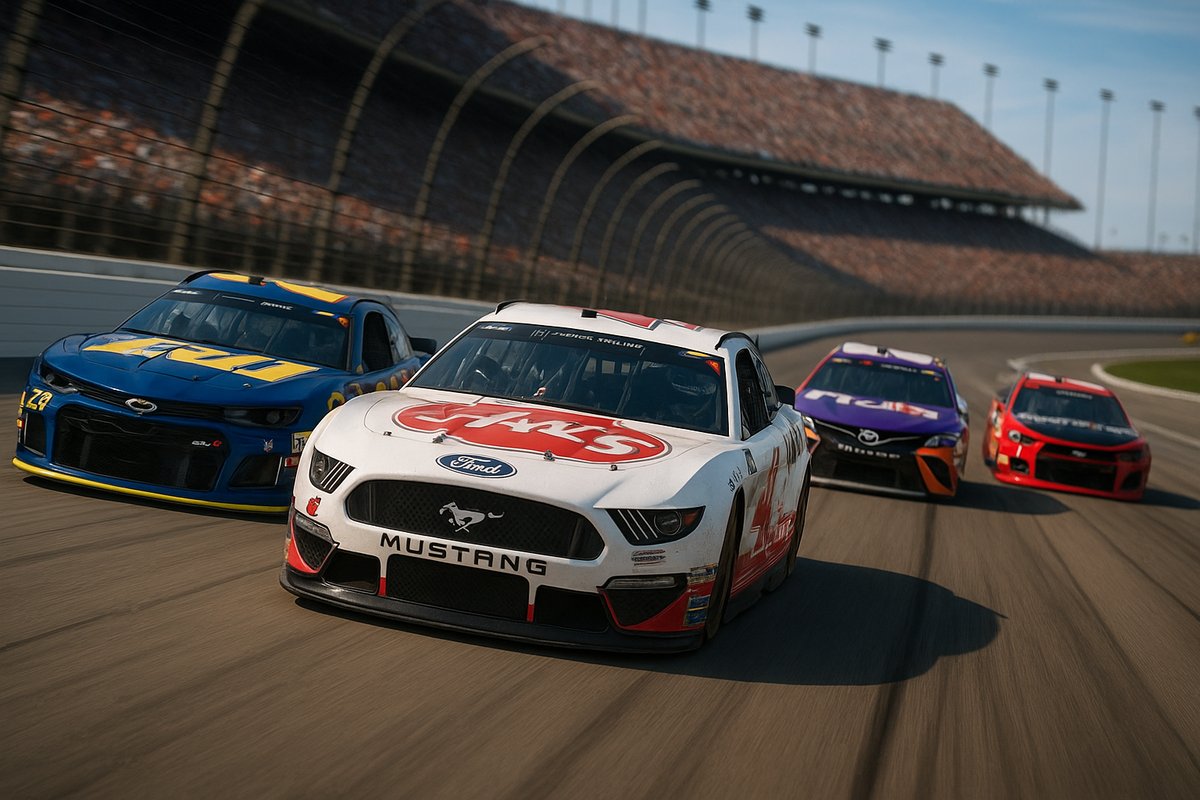
Growing up in Charlotte, NASCAR wasn’t a hobby — it was life, and nothing got the blood pumping like those top NASCAR drivers known for comeback wins. From dramatic charges through the field at restrictor-plate tracks like Daytona and Talladega to overcoming mechanical issues and pit-road penalties, these drivers have built legendary reputations by turning deficits into victories. My grandfather watched this track get built back in the day, and he always said the best stories came from the ones who clawed their way back from the brink.
Dale Earnhardt stands as the gold standard among top NASCAR drivers known for comeback wins. The seven-time champion frequently started races deep in the pack yet stormed to the front using aggressive passing and superior car control. At tracks like Daytona and Talladega, Earnhardt mastered drafting strategies that allowed him to slice through traffic in the final laps, producing iconic victories such as his 1998 Daytona 500 triumph after years of near-misses. His 76 career wins include numerous examples where he overcame early-race incidents or starting-position disadvantages. Earnhardt’s fearlessness in tight racing situations became his trademark, earning him the nickname “The Intimidator” and making fans hold their breath whenever he needed to make up ground.
Richard Petty also exemplified the comeback spirit throughout his record 200-win career. Known as The King, Petty often recovered from mid-race setbacks at tracks like Charlotte Motor Speedway and Darlington Raceway. One standout performance came in 1979 when he rallied from a lap down to claim victory, showcasing the relentless determination that defined his era. Petty’s consistency over his 35-season career demonstrated that comeback wins weren’t just luck — they were the result of understanding race dynamics, maintaining composure under pressure, and having the skill to execute when opportunities arose. His ability to read track conditions and adapt his driving style made him formidable regardless of his starting position.
Jimmie Johnson ranks among the premier top NASCAR drivers known for comeback wins in the 21st century. The seven-time champion frequently climbed from mid-pack starts or recovered from pit-road miscues to dominate events at intermediate tracks such as Texas Motor Speedway and Kansas Speedway. In 2016, Johnson charged from 20th place in the final stage at Dover to secure a playoff-clinching win, demonstrating the strategic tire management and passing prowess that marked his Hendrick Motorsports tenure. Johnson’s approach to comebacks was methodical and data-driven; he worked closely with crew chief Chad Knaus to identify ideal times for aggressive moves while maintaining tire wear management. This technical sophistication allowed Johnson to execute comebacks consistently across multiple track types and weather conditions.
Kyle Busch has earned a reputation for dramatic recoveries, especially after early damage or spins. The two-time champion’s 2022 Southern 500 victory at Darlington featured a charge from outside the top 20 following a Lap 50 incident, highlighting his ability to adapt setups mid-race. Similarly, Denny Hamlin has delivered multiple comeback triumphs at tracks like Pocono and Michigan, where he overcame handling issues to battle for wins in the closing stages. Busch’s willingness to take calculated risks separates his comeback performances from his peers; he combines raw speed with an intuitive understanding of when aggressive moves pay dividends versus when they create additional problems.
Chase Elliott has emerged as a modern comeback specialist, particularly on road courses and at tracks where patience combined with late-race pace advantages lead to victories. At Watkins Glen and Sonoma, Elliott has orchestrated several comebacks by leveraging superior tire management and road-racing acumen. His calm demeanor under pressure mirrors the psychological attributes shared by other successful comeback drivers — the ability to remain focused and confident even when facing seemingly insurmountable deficits. Elliott’s performances demonstrate that comeback wins aren’t exclusively the domain of aggressive, intimidating drivers; precision and patience can be equally effective strategies.
Superspeedways like Daytona International Speedway and Talladega Superspeedway consistently produce comeback narratives due to their pack racing dynamics. Drivers such as Tony Stewart and Kevin Harvick mastered these venues, often starting deep in the field yet using bump-drafting and positioning to vault forward in the final 20 laps. Stewart’s 2012 Daytona 500 win after a 10th-place start remains a textbook example of strategic patience leading to victory. Harvick has similarly demonstrated the ability to position himself for late-race surges at superspeedways, often spending early portions of races in seemingly disadvantageous positions before executing coordinated passes with teammates in the closing laps. The superspeedway environment uniquely rewards drivers who understand pack mentality and can read the flow of traffic multiple car lengths ahead.
Short tracks and road courses also feature heavily in comeback lore. At Bristol Motor Speedway, drivers like Clint Bowyer executed bold moves to recover positions lost in early cautions. Road course specialists including Chase Elliott have staged late surges at Watkins Glen and Sonoma, overcoming early contact to claim wins through superior road-racing technique. Bristol’s high-speed, short-track configuration rewards drivers with exceptional car control and the willingness to make daring passes mere inches from competitors. These venues often see the most dramatic position swaps because the close quarters create multiple passing opportunities within just a few laps.
Understanding the mechanics of successful comebacks reveals valuable insights into driver skill assessment. A driver’s ability to gain 10-15 positions in a single stage requires more than pure speed; it demands situational awareness, tire management expertise, and the capacity to identify traffic patterns. The best comeback drivers possess an almost sixth sense for reading opponent weaknesses and capitalizing on momentary advantages. They understand when other competitors are struggling with tire degradation, when fuel mileage might affect strategy decisions, and when aggressive moves create openings rather than merely creating contact.
Dale Earnhardt recorded 34 wins after starting outside the top 10, underscoring his dominance in comeback scenarios across 27 seasons. Jimmie Johnson achieved 17 victories from 20th or worse starting positions, including multiple Chase-clinching performances at intermediate tracks. Kyle Busch has overcome early-race damage in at least 12 Cup Series triumphs since 2015, often gaining 15-plus positions in the final stage. Daytona and Talladega account for over 40 percent of all documented major comebacks in NASCAR history due to drafting and multi-car incidents. Modern data shows average position gains of 12 spots in the final 50 laps among elite drivers during playoff races. Denny Hamlin leads active drivers with eight wins after serving pit-road penalties, demonstrating superior car speed recovery.
The psychological dimension of comeback racing cannot be overlooked. Drivers who excel at comebacks maintain exceptional mental resilience, refusing to accept defeat despite objective circumstances suggesting otherwise. They compartmentalize setbacks quickly and immediately refocus on performance optimization. This mental toughness separates occasional comebacks from the consistent patterns exhibited by drivers like Dale Earnhardt, Jimmie Johnson, and Kyle Busch. Teams supporting these drivers often reflect this mentality throughout their organizations, with crew members trained to remain calm during adversity and communicate clearly about incremental improvements rather than dwelling on problems.
The evolution of NASCAR’s format has actually increased comeback opportunities. The introduction of stage racing creates multiple reset points throughout events, allowing drivers to recover from early-race incidents and still battle for stage wins and playoff points. Cautions for debris or accidents similarly generate restarts that compress the field, reducing the advantage held by early leaders. These modern elements have made comeback narratives more frequent and dramatic than in previous eras, though the fundamental skill required to capitalize on such opportunities remains unchanged.
The legacy of top NASCAR drivers known for comeback wins continues to shape Cup Series narratives and fan engagement. From Earnhardt’s timeless aggression to Johnson’s analytical precision and Busch’s raw talent, these athletes transform adversity into unforgettable race results. As tracks evolve with new aero rules and stage formats, the next generation will undoubtedly add fresh chapters to this storied aspect of NASCAR racing. Young drivers currently ascending through the series study comeback performances by their predecessors, recognizing that mastering this skill set provides a significant competitive advantage in the grueling 36-race championship battle. The drivers who best execute comebacks often emerge as champions, suggesting that this particular aspect of racing excellence directly correlates with sustained success at the sport’s highest levels.