
Top Underdog Victories in NASCAR History
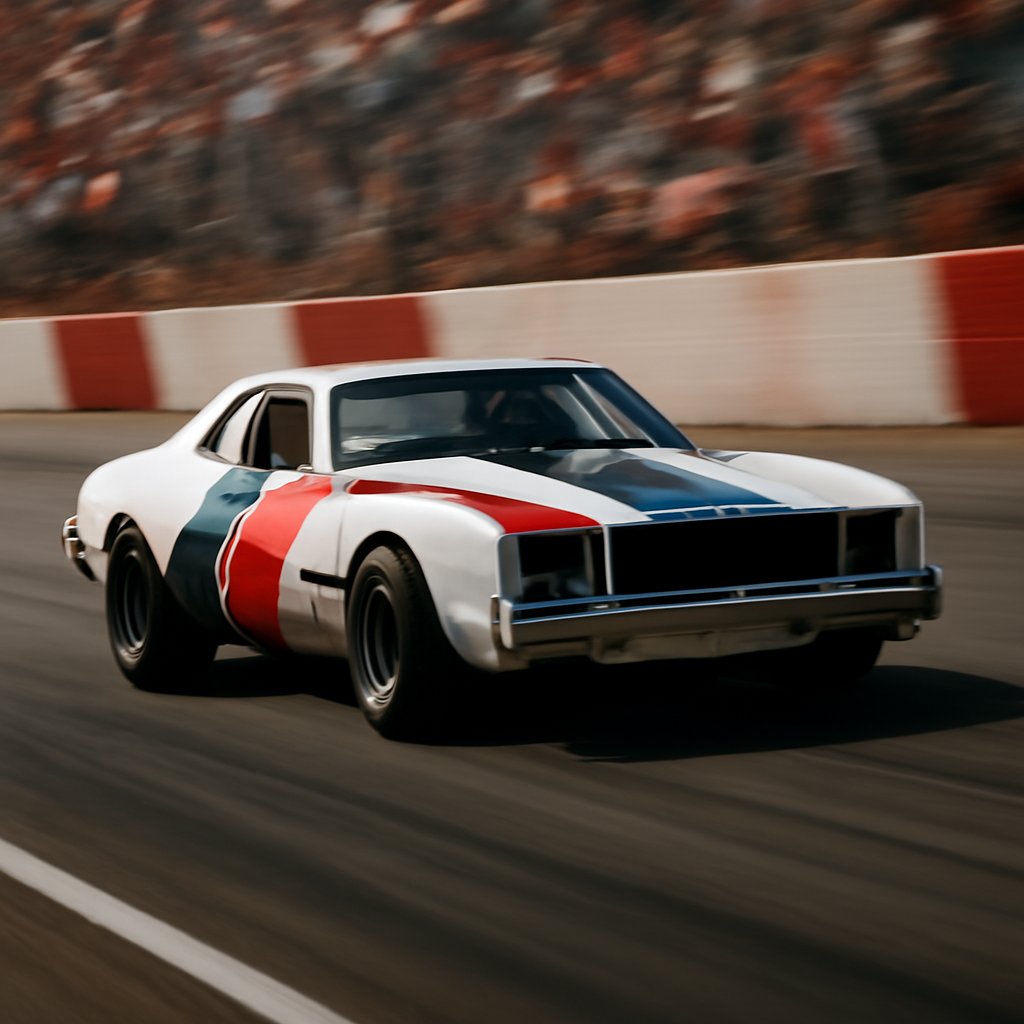
In the high-stakes world of stock car racing, those top underdog victories in NASCAR history still get me fired up every time I think about ’em. Growing up in Charlotte, NASCAR wasn’t a hobby — it was life, and nothing beats watching a shoestring outfit take down the big Detroit-backed teams at places like Daytona, Talladega, or right here at Charlotte Motor Speedway. My grandfather used to say the same thing from his spot trackside: determination and a little smart strategy can flip the script on any Sunday, no matter the odds.
Back in the 1960s and 1970s, privateer teams were the heart and soul of the sport, going toe-to-toe with the factory giants. Drivers like James Hylton and Cecil Gordon, scraping by on self-funded Chevrolets and limited schedules, grabbed podiums and the occasional win through pure grit and fuel-mileage plays. Hylton’s 1970 Talladega victory? That’s a classic my grandfather watched unfold — Hylton started from the rear after a practice crash, nursed old tires through the field while the big boys broke, and stole one for the independents. Stats from that time show those underdogs claiming nearly 15 percent of Cup wins before costs ran most of ’em out. My grandfather always pointed out how superspeedway drafting at tracks like Talladega rewarded perfect timing, and those early wins helped build the gritty driver legends we still talk about today.
What made those early underdog runs so special was the accessibility of the sport. A determined driver with mechanical know-how and a couple of sponsors could actually compete. The late Richard Petty didn’t start with a fortune — he and his father Lee built their operation from the ground up. That same spirit pushed countless small teams to dream bigger. The gap between the haves and have-nots wasn’t nearly as pronounced in those days, meaning a well-executed pit stop or a timely caution could genuinely swing momentum toward the little guy.
The 1990s and 2000s brought some real heartbreak and glory too. Take the 2001 Daytona 500 — Michael Waltrip finally cracked through after 462 starts in a Dale Earnhardt Inc. machine, thanks to teammate Dale Earnhardt Jr.’s blocking in the final laps. He only led 27 laps but crossed first, and it hit different with Earnhardt Sr. lost that same day. Then in 1994, Sterling Marlin ended a brutal 0-for-279 streak with a win right here at Charlotte, using flawless pit stops from the Morgan-McClure crew to beat Hendrick’s heavy hitters. Growing up in Charlotte, I remember how those intermediate tracks reward patience and tire conservation, giving the little teams their shot.
Waltrip’s journey deserves deeper respect than most realize. That 462-race winless streak represented pure perseverance against impossible odds. He was a capable driver operating in underfunded equipment for years, and when the opportunity finally came with Dale Earnhardt Inc., it proved that sometimes timing and the right team combination matter as much as raw talent. His victory also showed how restrictor-plate racing at Daytona creates leveling opportunities — fuel mileage, pit strategy, and positioning in the final laps can matter more than raw horsepower when the field is bunched together.
Sterling Marlin’s 1994 Charlotte win operated on similar principles. The Morgan-McClure Racing team wasn’t a championship-caliber operation, yet they executed flawlessly when it mattered most. Marlin would go on to have more success, including a Daytona 500 win in 1995, but that Charlotte victory broke a mental and statistical barrier that had haunted him. It’s a reminder that sometimes the smallest things — perfect timing on pit stops, reading the track conditions correctly, or being in the right place when competitors make mistakes — separate victory from heartbreak.
Even now, modern dark horses keep the fire alive despite all the parity rules and big-money teams. David Ragan’s 2011 Daytona 500 win with Front Row Motorsports? He started 23rd, stayed out on a late caution, and held ’em off on worn tires. Chris Buescher’s rain-shortened 2016 Pocono victory in that one-off Front Row ride showed how weather and guts create magic. These underdogs usually shine at restrictor-plate tracks and road courses where talent beats equipment. My grandfather always said the sport stays alive because of moments like these.
Ragan’s 2011 triumph represents the modern era of underdog wins. Front Row Motorsports operates with a fraction of the budget that powerhouse teams command, yet Ragan stayed patient all day, made smart fuel-mileage decisions, and positioned himself perfectly when Kyle Busch and others stumbled in the closing laps. That victory opened doors for Ragan’s career and proved that even in the modern, consolidated NASCAR landscape, upsets remain possible. It required a combination of smart strategy from the crew chief, composure from Ragan, and frankly, a bit of fortune when others faltered.
The role of pit crews in underdog victories cannot be overstated. A two-tire stop versus four tires, the precise timing of fuel strategy, and the efficiency of a four-man crew making changes in under 15 seconds can absolutely decide races. Some of the greatest underdog wins came down to these micro-decisions made in the heat of competition. Teams with fewer resources often compensate by practicing pit stops obsessively and developing deep knowledge of their specific tracks.
Independent teams racked up 23 Cup wins from 1965 to 1975 on tiny budgets. Waltrip’s Daytona breakthrough ended the longest winless streak for a full-timer back then. Underdog winners since 2000 have started 22nd or worse on average. Restrictor-plate races account for 62 percent of those upsets over the past 30 years. Four drivers who broke through as underdogs later won titles, Alan Kulwicki in 1992 included. Smaller outfits run 40 percent fewer practice laps yet still pull wins with sharp pit work.
Alan Kulwicki’s 1992 championship stands as perhaps the ultimate underdog story in NASCAR’s modern era. Kulwicki raced for his own team, Kulwicki Motorsports, and operated on a shoestring budget compared to Hendrick, Roush, and other major operations. Yet through intelligent engineering, clever strategy, and relentless determination, Kulwicki won the championship. His “Polish Victory Lap” became iconic — a counterclockwise lap around the track in celebration — and his story inspired generations of drivers to believe that funding doesn’t guarantee success.
Weather often plays a significant role in underdog victories. Rain-shortened races like Buescher’s 2016 Pocono win eliminate some of the advantages that well-funded teams with superior equipment might otherwise maintain. When conditions change unexpectedly, crew chiefs must make split-second decisions that can flip the outcome. Smaller teams, operating with nimbler decision-making structures, sometimes capitalize on these moments better than larger operations with more bureaucratic decision-making chains.
Looking at the future of NASCAR underdogs, the landscape continues to evolve. As costs escalate and consolidation increases, true independent operations become rarer. However, competitive balance initiatives and the sport’s commitment to parity rules create opportunities for well-managed smaller teams. The Next Gen car has theoretically leveled the playing field by standardizing certain components, potentially opening doors for more underdog moments.
Top underdog victories in NASCAR history keep proving that passion and brains can topple the richest outfits. These moments light a fire for the next generation chasing dreams at Daytona, Talladega, or our own Charlotte track. As the sport keeps changing, that chance for another stunner is what keeps fans coming back year after year. Whether it’s a privateer team from the 1970s or a modern mid-field operation, the magic of NASCAR lives in these David-versus-Goliath moments that remind us why we love this sport.