
Martin Truex Jr Driving Style Analysis
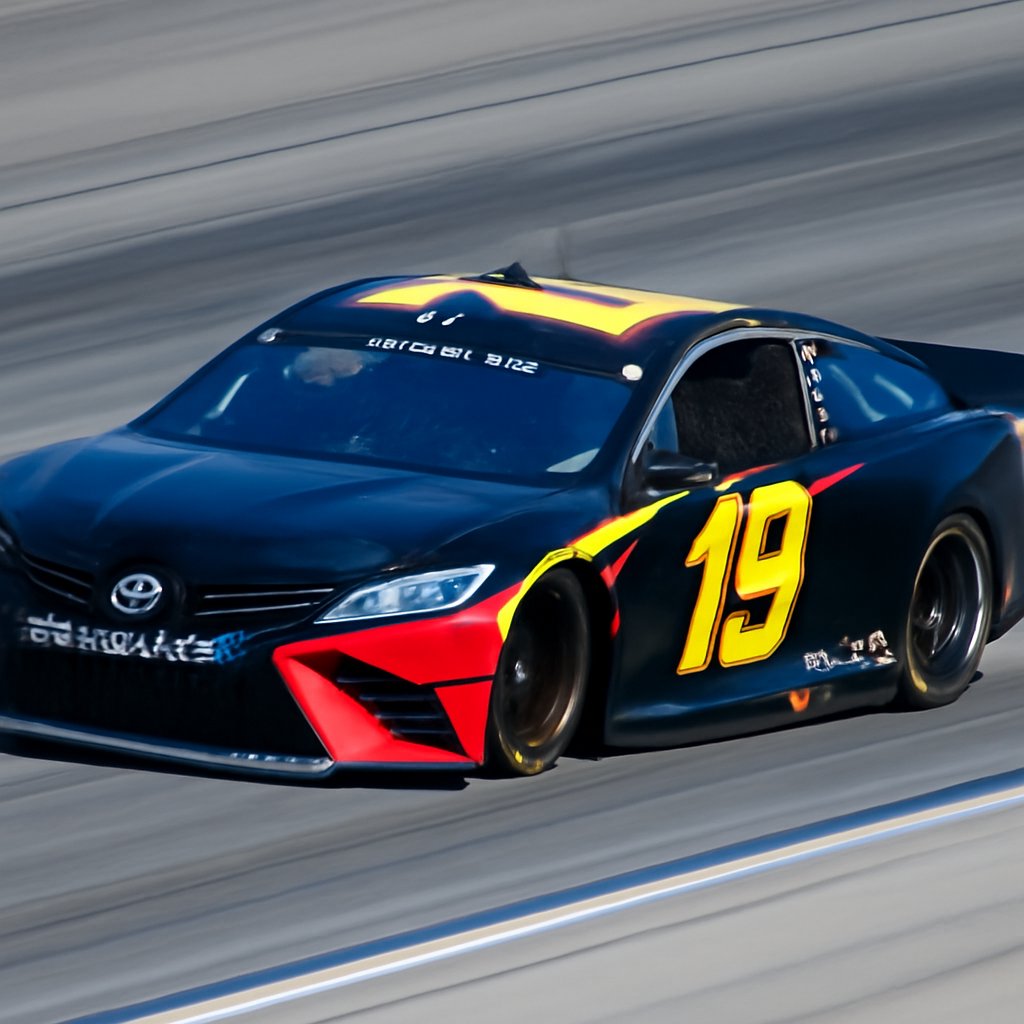
Martin Truex Jr’s way behind the wheel has always stood out in the Cup Series, a mix of precision, patience, and that rare ability to read a car like it’s talking straight to him. Growing up in Charlotte, NASCAR wasn’t a hobby—it was life, and folks like Truex remind me why. My grandfather watched this sport grow from dirt tracks to the big venues we know today, and he’d tell you Truex drives like a man who respects every lap, not just the flashy ones. This look at his style shows how it carried him to that 2017 championship and all those wins since.
Truex cut his teeth in the Modified ranks before moving up through Xfinity, building a methodical approach that put consistency first. Early on, mentors drilled into him the value of smooth inputs, and that lesson stuck when he landed with Joe Gibbs Racing and later Furniture Row, where he claimed his first title. Those early years racing modifieds taught him how to feel the car through every surface variation, a skill that translates directly to modern Cup Series competition where setup changes can mean the difference between a win and a top-ten finish.
One thing that sets him apart is how he handles the throttle—no jerking or stomping, just gradual power to keep the car balanced through the corners. That saves the tires and keeps momentum rolling, especially on those long runs at places like Phoenix or Martinsville. He also has a knack for switching lines mid-run, adjusting to how the track changes and the rubber wears, something that lifts the elite drivers above the pack. This adaptability is particularly evident during fuel-mileage races, where Truex’s smooth driving style allows him to stretch fuel further than competitors who rely on aggressive throttle applications.
His style really comes alive on road courses and those 1.5-mile intermediates. That modified background gave him a feel for handling shifts, so he can attack the curbs at Sonoma or Watkins Glen without losing the rear end. At Kansas and Texas, he starts patient, letting the car come to him while others fight tire falloff, which has led to plenty of stage wins and playoff runs. His road course prowess isn’t just about smooth steering inputs—it’s about understanding weight transfer and how to carry momentum through technical sequences that challenge most drivers in the field.
Even on superspeedways like Daytona and Talladega, Truex has adapted, focusing on finding drafting partners and holding a tight line instead of pushing too hard. On short tracks like Bristol, he tightens his entry to protect the nose on restarts. Tire management is where he shines most—he gives his crew chiefs exact feedback on balance, stretching rubber several laps longer than aggressive drivers. That pays off in those 400-lap grinds. The communication between Truex and his crew chief has been a cornerstone of his success, with both parties understanding exactly how the car behaves under different conditions and what adjustments will yield the best results.
His qualifying runs feed right into race day, rarely overdriving the car but finding a repeatable lap that carries over. This consistency in qualifying often puts him in premium starting positions, eliminating the need to charge through the field on Sunday. All this has added up to real results: 2017 Monster Energy NASCAR Cup Series champion with eight wins that year, over thirty career Cup victories including multiple road-course triumphs, consistent top-10 points finishes for more than a decade, leading the most laps in key playoff races, a strong top-12 average finish on intermediates, multiple stage wins from that tire savvy, and smooth moves between three organizations without losing his edge.
What makes Truex’s approach even more impressive is his ability to master different car configurations. When teams switched from the Gen 6 car to the Next Gen platform, Truex demonstrated the same adaptability that defined his career, quickly learning the new aerodynamic characteristics and adjusting his inputs accordingly. This speaks to his deep understanding of fundamental driving principles that transcend equipment changes. Rather than relying on a single technique, he approaches each season and each track with fresh eyes, willing to adjust his philosophy when the tools at his disposal change.
The mental side of Truex’s driving deserves attention as well. He approaches each weekend with a strategic mindset, often entering races with clear stage-winning targets or fuel-mileage scenarios already mapped out. This forward-thinking approach has resulted in numerous stage wins and playoff points throughout his career. He doesn’t necessarily race for position every single lap—he races for the optimal finish given track position, fuel situation, and tire condition. This patience has frustrated competitors on numerous occasions when he’s passed them late in races after seemingly running behind them for hours.
Truex’s feedback to his crew chief is renowned throughout the garage. Rather than vague complaints about the car, he provides specific, measurable observations: the car is loose on entry but tight on exit at turn three, or the rear is sliding out gradually but not abruptly. This precision in communication allows his team to make informed setup decisions that address root causes rather than symptoms. Over his career, this collaborative approach with various crew chiefs—from Cole Pearn at Furniture Row to current configurations—has consistently yielded competitive cars that can contend for wins.
Another critical element of his style is his rain-racing ability. On the rare occasions when NASCAR races in wet conditions, Truex’s smooth inputs and feel for the car really shine through. He doesn’t fight the car like some drivers do; he works with the limited grip available, making small adjustments and trusting his inputs. While wet races don’t happen often, his success in these events demonstrates his broad skill set.
The evolution of Truex’s career shows how a driver can remain competitive by evolving with the sport. From his Modified days through multiple generations of Cup cars, he’s maintained his fundamental approach while adapting to new technologies, rule packages, and competitive landscapes. His longevity in the sport, competing at a high level well into his forties, is a testament to the effectiveness of his smooth, thinking-driver approach over the flashy, aggressive style that burns out engines and drivers alike.
Truex’s approach shows how modern NASCAR rewards smart, data-driven racing over raw speed. Combining smooth hands, flexible lines, and tire conservation has kept him competitive well into his forties. My grandfather always said the sport rewards thinkers who last, and Truex proves it every time he straps in.