
Most Successful NASCAR Teams in History Ranked
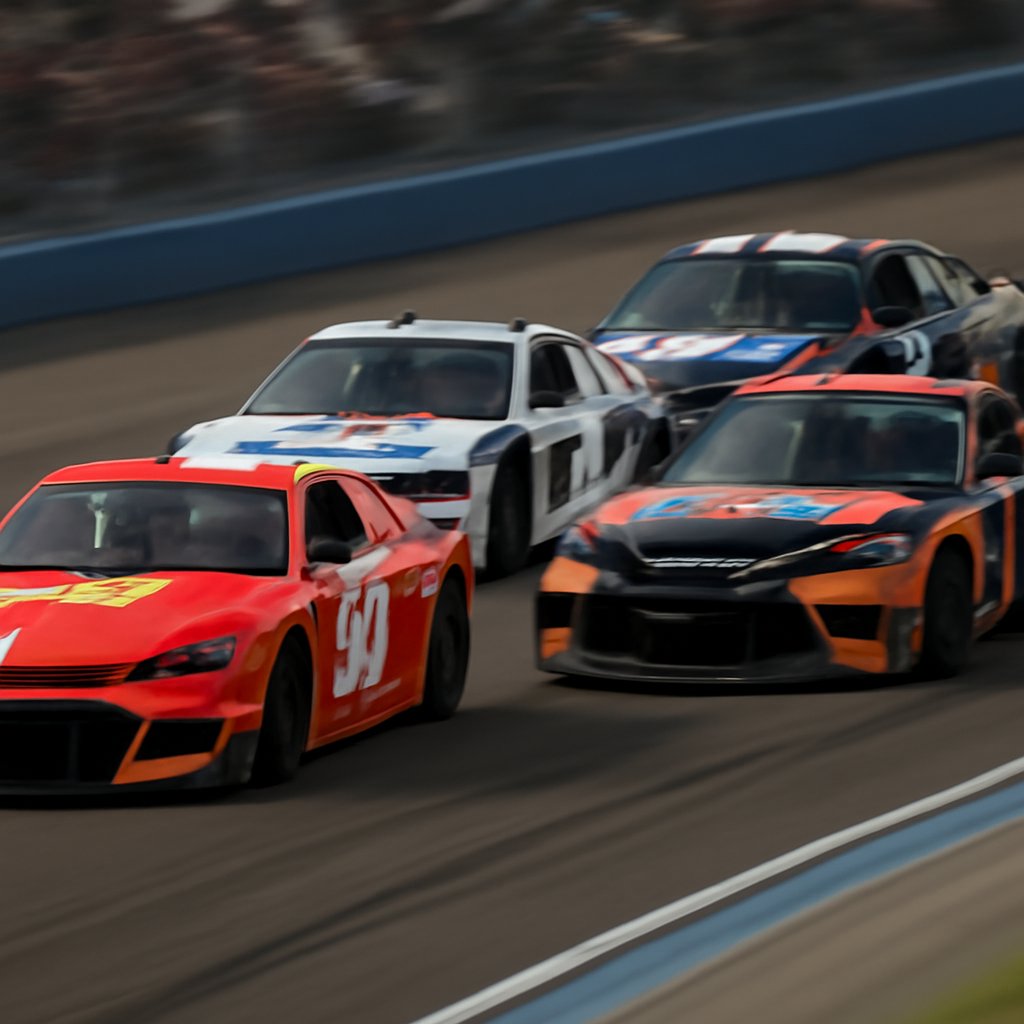
Growing up in Charlotte, NASCAR wasn’t a hobby — it was life, and you could feel it in the air every time the haulers rolled out toward Daytona or Talladega. The quest to rank the most successful NASCAR teams in history takes us straight through that legacy of raw innovation, driver grit, and teams that refused to quit across decades of Cup Series battles. From the early bootleggers to the high-dollar operations running today, these outfits have written the sport’s story with wins, titles, and unforgettable moments at those big superspeedways.
My grandfather watched this sport grow from dirt tracks into the spectacle it is now, and he always said the real pioneers earned every inch through mechanical know-how and pure nerve. Back in the 1940s, teams leaned on whatever parts they could scrounge and drivers who weren’t afraid to push the limit. That foundation carried forward as organizations poured resources into wind tunnels and data, yet the heart stayed the same — reliability on pit road and the guts to chase victory.
When we line up the top teams by Cup wins, owner championships, poles, and overall impact, Hendrick Motorsports sits at the front. Founded in 1984 right in our backyard, they’ve piled up over 300 victories and 14 owners’ titles, with Jimmie Johnson and Jeff Gordon leading the charge through the 2000s and 2010s. Their setup at the shop in Charlotte keeps turning out winners no matter the track type. The team’s dominance during Johnson’s seven championship run from 2004 to 2010 remains unmatched in the modern era, with back-to-back titles happening five times during that stretch. Gordon’s four championships and consistent top-five finishes established Hendrick as the gold standard for organizational excellence long before Johnson’s historic run began.
Joe Gibbs Racing stays right on their heels, claiming multiple championships behind drivers like Tony Stewart and Denny Hamlin. That football-style discipline they bring has paid off with five owners’ championships since 2000, especially when the pressure hits hardest. Gibbs, a legendary NFL coach who transitioned into NASCAR ownership, brought professional sports management principles to the garage that fundamentally changed how teams operated. His structured approach to pit crew training, driver development, and strategic decision-making created a winning culture that persists today. The team’s 2005 championship with Tony Stewart showcased their ability to manage a volatile but talented driver, while Denny Hamlin’s consistency since 2010 has kept them in championship contention nearly every season.
Team Penske brings the engineering edge, using every aerodynamic trick to rack up wins, starting with their first Cup title in 2012 when Brad Keselowski crossed the line. Roger Penske’s legacy spans decades across multiple racing series, and his NASCAR operation combines cutting-edge technology with ruthless strategic execution. Since entering the Cup Series in 2012, Penske has claimed three championships — with Keselowski in 2012, Joey Logano in 2018, and again with Logano in 2022. The team’s investment in research and development, combined with technical partnerships with Ford, has established them as consistent contenders in the modern playoff format.
Legacy names like Richard Petty Motorsports and Richard Childress Racing belong on any serious list. Petty’s seven driver championships in the 1960s and 1970s still echo through the sport, with 200 career wins that stood as the all-time record until Jeff Gordon surpassed it in 2013. The King’s dominance at specific tracks like Daytona, where he won 10 Daytona 500s, and his ability to adapt to changing car designs made him a generational talent supported by excellent organizational structure. Richard Childress Racing delivered six titles with Dale Earnhardt from 1986 to 1994, establishing one of NASCAR’s most formidable driver-team partnerships. Earnhardt’s aggressive driving style meshed perfectly with Childress’s no-nonsense approach to competition, creating a mutual respect that produced consistent results.
These teams survived every sponsorship shift and rule change by sticking to what works — strong people and sharp wrenches. The ability to retain talented crew chiefs, engineers, and pit crew members often separates championship contenders from mid-pack competitors. Teams that invest in their human capital, offering competitive compensation and career development opportunities, build organizational stability that translates directly to on-track performance.
Success like this comes down to sharp ownership, crew chiefs who read a car like a book, and the willingness to invest in young talent while trusting the data. The best teams maintain a balance between veteran leadership and emerging talent, ensuring knowledge transfer while promoting fresh perspectives. Modern pit crews undergo physical conditioning regimens comparable to professional athletes, with each member specializing in specific tasks refined through hundreds of practice sessions annually. Chassis setup has become increasingly complex, requiring engineers who understand everything from aerodynamic balance to tire pressure strategies across different track types.
Teams that mix fresh ideas with old-school respect for the roots keep stacking seasons at places like Talladega where the draft decides everything. Understanding track-specific challenges — how to maximize speed at high-banked superspeedways, manage fuel mileage at road courses, and optimize tire wear on short tracks — requires comprehensive databases built over years of competition. The teams that rank highest in success typically maintain these institutional knowledge repositories, allowing them to rapidly adapt to new regulations or unexpected weather conditions.
In the modern era, outfits keep climbing by working the playoff system and manufacturer deals, balancing fan connection with the hunt for more wins. The current 16-driver playoff format, introduced in 2014, fundamentally changed how teams approach regular season performance and mid-season adjustments. Teams that understand how to peak during the critical playoff window gain enormous advantages. Additionally, manufacturer partnerships with Ford, Chevrolet, and Toyota provide technical support, wind tunnel access, and shared data that can mean the difference between contention and mediocrity. Teams associated with stronger manufacturers often show performance advantages in qualifying trim and race pace.
Hendrick holds the active-team record with those 300-plus victories. Joe Gibbs has those five titles since 2000. Penske broke through in 2012 and has won consistently since. Childress claimed six between 1986 and 1994. Petty Enterprises racked up 200 wins across its history. Today’s top squads average 10-15 top-fives a season, with special dominance at restrictor-plate tracks like Daytona. Driver retention above 80 percent often signals a team built to contend year after year, and sponsorship money tops $50 million annually for the leaders. Technology has trimmed lap-time spreads by 15 percent in the last decade, meaning consistent engineering excellence separates winners from the field more than ever before.
The evolution of pit stop efficiency exemplifies how top teams maintain competitive advantages. The fastest pit crews can now change four tires and add fuel in under 12 seconds, a process requiring split-second timing and practiced coordination. Training facilities at top teams include specialized pits that simulate race conditions, allowing crews to practice hundreds of stops during off-season months. These details, seemingly minor compared to horsepower and aerodynamics, regularly decide races decided by less than a second.
From Hendrick’s numbers to the staying power of Petty and Gibbs, these teams keep the sport alive at every stop on the schedule. Their stories remind us why NASCAR still pulls us in — it’s competition mixed with a culture that runs deep through Charlotte and beyond. The next generation of successful teams will likely combine the organizational discipline established by these pioneers with emerging technologies like advanced telemetry, artificial intelligence-assisted setup optimization, and next-generation simulator technology. Yet the fundamental principle remains unchanged — great teams win because they refuse to accept mediocrity, invest in their people, and stay committed to winning regardless of external pressures or setbacks.