
Profile of Joey Logano’s Championship Journey
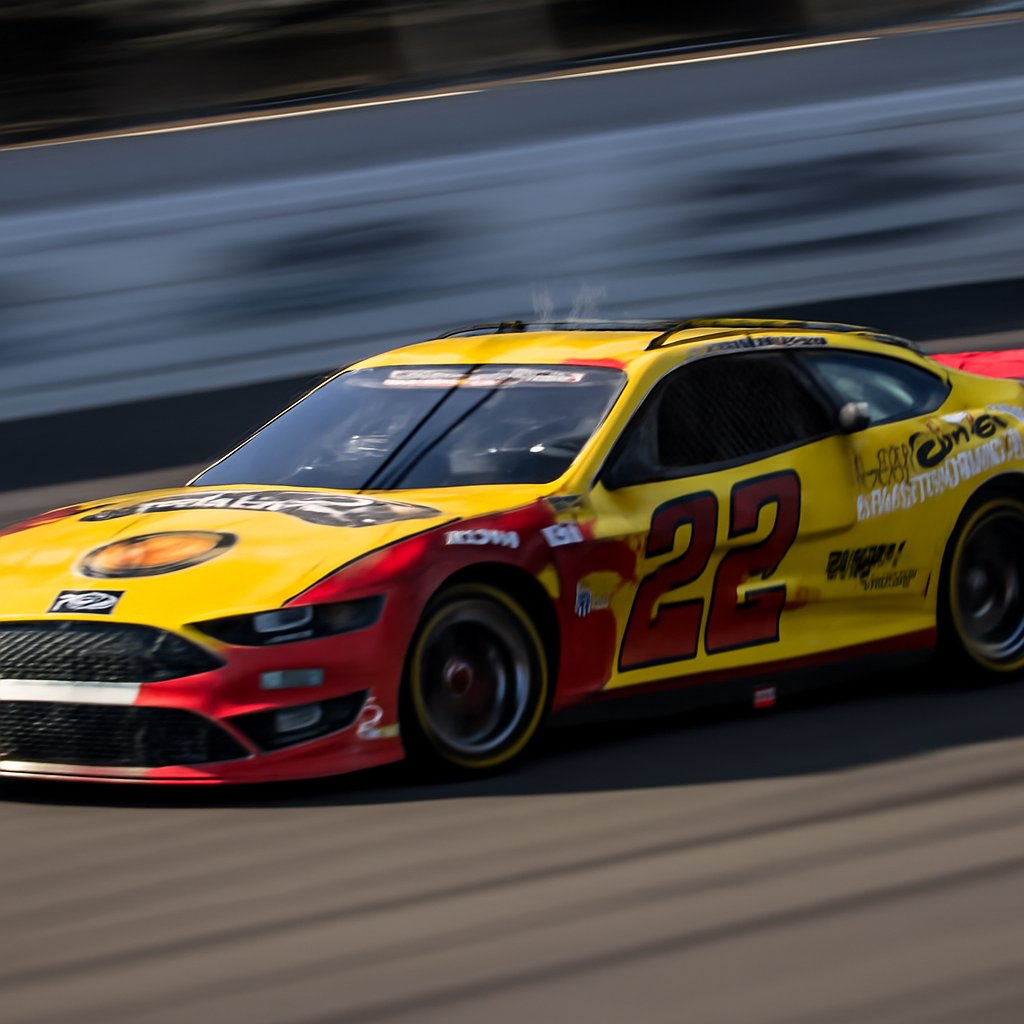
Joey Logano’s path to two NASCAR Cup Series titles reveals the calculated moves and sponsor-backed infrastructure that separate contenders from champions in today’s stock car landscape. From a teenage prodigy breaking in at age 15 during the 2005 ARCA Menards Series campaign through his steady ascent, Logano’s story underscores how early talent attracts the kind of organizational resources that fuel long-term contention.
From the pit lane perspective, what teams don’t tell fans is that those initial top-five runs in the Camping World Truck Series weren’t just about raw speed—they signaled to sponsors that a marketable young driver could deliver ROI on marketing activations. By 2008, his Cup debut at Texas Motor Speedway at age 18 positioned him as the youngest starter in series history, a milestone that immediately opened doors to premium partnerships.
His 2009 move to Joe Gibbs Racing delivered that first Cup victory at New Hampshire Motor Speedway, kickstarting consistent playoff runs powered by intermediate-track strategy at venues like Kansas and Charlotte. The “Sliced Bread” nickname stuck during this period, but behind the scenes it reflected how JGR leveraged his aggressive style to maximize TV exposure for key backers. What teams don’t tell fans is that such hype cycles often hinge on aligning driver personality with sponsor demographics to lock in multi-year deals.
During his tenure at Joe Gibbs Racing from 2009 through 2012, Logano demonstrated the kind of consistency that builds championship momentum. He accumulated his first five Cup Series victories during this period, establishing himself as more than a flash-in-the-pan rookie sensation. His wins at venues ranging from short tracks to superspeedways showcased the versatility that would become his calling card. More importantly, his ability to execute in high-pressure situations—including strong performances in the Chase for the Sprint Cup—proved he could handle the mental demands of playoff racing before the format became as critical as it is today.
The 2013 shift to Team Penske marked a pivotal business recalibration. Aligning with crew chief Todd Gordon and the organization’s deep sponsor network, Logano posted four wins, including a pivotal triumph at Auto Club Speedway, that vaulted him into Chase contention. Subsequent victories at Daytona and Talladega highlighted Penske’s superspeedway engineering edge, where aerodynamic packages and fuel strategy became differentiators in elimination rounds. By 2017, he had refined his approach to the playoff format, turning consistent top-10 finishes into leverage for extended sponsorship commitments.
The partnership between Logano and crew chief Todd Gordon proved to be one of the most productive in modern NASCAR history. Their chemistry, developed over multiple seasons at Penske, created an environment where data-driven decision-making combined with aggressive but calculated racing tactics. Gordon’s reputation for meticulous preparation and fuel strategy mastery complemented Logano’s instinctive driving style, creating a synergy that yielded results consistently across different track types and conditions. This relationship became the foundation for back-to-back championship runs and continued competitiveness in the years that followed.
Logano’s 2018 championship run exemplified Penske’s integrated team strategy. Opening the playoffs with a Las Vegas victory and clinching a Championship 4 berth via Martinsville set up the Homestead-Miami finale, where he led 105 laps in the final stage to claim the title over rivals including Martin Truex Jr. and Kevin Harvick. That dominance wasn’t accidental—it stemmed from Penske’s ability to coordinate across its multi-car stable for shared data and setup advantages that smaller teams simply can’t replicate. The championship was particularly significant because it came after several seasons where Logano had consistently made the playoffs but hadn’t converted that consistency into the ultimate prize, demonstrating both patience and refinement in his approach.
The 2019 and 2020 seasons saw Logano continue to be a fixture in the championship conversation, regularly scoring wins and playoff victories even when the final championship eluded him. These near-miss seasons are often overlooked but proved invaluable in developing the tactical knowledge that would fuel his second championship run. Each disappointing playoff exit provided lessons in adaptation and resilience that many younger drivers never experience, giving Logano a psychological edge in the most pressure-packed moments of the season.
The 2022 repeat championship with the same organization reinforced how sustained sponsor dynamics at Penske have kept Logano competitive well into his prime. His career tally now stands at 34 Cup wins, over 200 top-10 finishes, and more than 20,000 laps led, with strong road-course results at Watkins Glen and Sonoma adding versatility that appeals to diverse marketing partners. The 2022 championship campaign showcased an even more refined version of Logano’s abilities, with improved consistency and decision-making in tight playoff scenarios. This second title proved the first wasn’t a one-time achievement but rather evidence of sustained excellence and championship-caliber performance.
Playoff consistency since 2014 and five top-five championship finishes reflect a driver who has adapted to evolving formats while delivering measurable value to the business side of the sport. Unlike many drivers who excel in regular season races but struggle when the stakes escalate, Logano has made the Chase/Playoffs his hunting ground, frequently elevating his performance when points are doubled and elimination races determine advancement.
Key benchmarks include becoming the youngest Cup winner at 19 in 2009, multiple triumphs at Daytona, Talladega, and Michigan, plus an 2018 playoff run that featured three victories across all three rounds. These achievements continue to position Logano as a cornerstone for Team Penske’s commercial objectives heading into future seasons. His ability to perform at marquee events and on the sport’s most iconic tracks—including multiple Daytona 500 starts and consistent success in Chase races at traditionally difficult venues—has made him a reliable draw for sponsors seeking championship-contending visibility.
Beyond the statistics, Logano’s impact on Team Penske’s competitive standing cannot be overstated. As the organization has navigated driver changes and personnel adjustments over the past decade, Logano has remained a constant, providing institutional knowledge and serving as a baseline for competitive performance. His continued success validates the long-term investment Penske made in bringing him into the fold and demonstrates the value of driver stability in a sport increasingly characterized by driver movement and short-term thinking.