
Understanding the Basics of NASCAR Aerodynamics
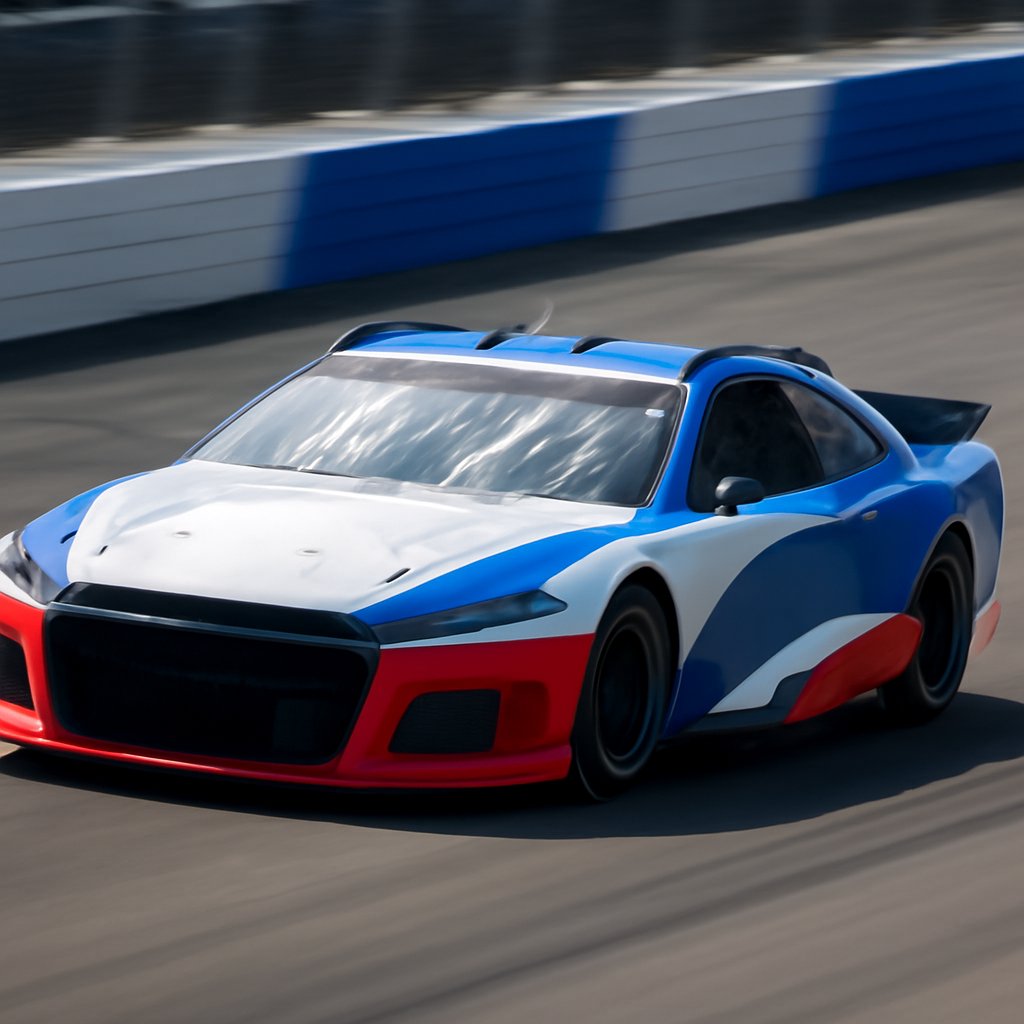
From the pit lane perspective, the business of NASCAR aerodynamics goes far beyond airflow charts and wind-tunnel data. It directly shapes how teams balance cornering grip against straight-line speed, protecting sponsor visibility while squeezing every strategic edge in the Cup Series. Crew chiefs and engineers treat air like a high-stakes commodity, because even small gains in downforce or drag reduction can translate into longer television exposure for primary partners and better positioning for stage points that matter to manufacturers.
Airflow management remains central to modern stock-car performance. Teams treat air as a fluid that either plants the car for traction or pushes back as resistance. What teams don’t tell fans is that these refinements are budgeted line items, with wind-tunnel time running between three and five thousand dollars an hour. Minor adjustments to the body, splitter, or spoiler can shift lap times by as much as half a second at intermediates like Las Vegas, a margin that directly affects both prize money and sponsor deliverables.
Downforce is generated through the front splitter, rear spoiler, and body shape. Higher settings let drivers carry speed through high-banked corners, yet they add drag that teams must offset elsewhere. On superspeedways, the priority flips toward drag reduction. Drafting behind another car can cut resistance by nearly thirty percent at Daytona, sustaining speeds above two hundred miles per hour and giving sponsors the pack-racing footage they crave.
The Next Gen platform standardized many of these elements in 2022 to encourage closer competition. The low-mounted splitter, adjustable spoiler, side skirts, and underbody tunnels work together to manage turbulence. From a sponsor-dynamics standpoint, the more predictable handling helps teams stay in clean air longer, keeping logos on camera instead of buried in the pack. The rear spoiler angle, in particular, is tuned track by track—steeper at road courses like Watkins Glen for stability, flatter at restrictor-plate venues to chase speed.
Ground-effect principles now play a larger role through the flat underbody and diffuser. This creates low-pressure zones that pull the car toward the track surface, especially noticeable at places like Charlotte or Kansas. Strategically, these setups influence tire wear and fuel mileage, giving crew chiefs real-time levers during pit stops that sponsors notice when their cars maintain position deep into runs.
Close racing creates its own challenges. “Dirty air” from leading cars disrupts following machines, complicating overtakes outside drafting zones. Teams therefore focus on clean-air management to keep handling consistent when traffic builds. Driver feedback loops are constant: a loose condition in the center may prompt added rear downforce, while a pushing front end calls for splitter tweaks. These micro-adjustments often decide whether a primary sponsor’s car finishes on the lead lap or fades from view.
Key data points underscore the commercial stakes. Next Gen cars run roughly twenty percent less downforce than the prior generation to promote better racing. Over sixty percent of total drag originates from the rear, making spoiler angle a critical business decision. The front splitter sits just three inches off the ground at rest, sealing the ground-effect package that teams refine for each venue.
Understanding how aerodynamic forces distribute across the car is essential to grasping why teams make the setup choices they do. The pressure differential created by the splitter at the front works in conjunction with the rear spoiler to manage the car’s balance. When a driver feels the car is “pushing”—meaning the front end isn’t responding to steering input—aerodynamic imbalance often plays a role. The splitter may be too low, creating excessive front-end downforce, or the rear wing may need adjustment to compensate. Conversely, a “loose” car that’s too responsive or prone to oversteer might require flattening the rear spoiler or raising the splitter slightly to redistribute downforce pressure toward the rear wheels.
The relationship between aerodynamics and tire performance cannot be overstated. Different tire compounds—soft, medium, and hard—respond differently to the loads imposed by aerodynamic forces. Higher downforce settings increase the vertical load on tires, which can generate more grip but also accelerates tire degradation over a run. This becomes especially critical during fuel-mileage races where drivers must manage tire life alongside fuel consumption. Teams monitor tire temperature sensors in real-time, and aerodynamic adjustments between fuel stops can help manage thermal cycling that extends tire life by several laps—a decisive advantage in closing stages.
Track-specific aerodynamic requirements vary dramatically across the NASCAR schedule. At high-banked ovals like Bristol or Las Vegas, teams prioritize rear spoiler angle to maintain consistent downforce through the corners. At flat tracks like Michigan or Indianapolis, excessive downforce creates drag that hurts straightaway speed, so teams find a compromise setup. Road courses present entirely different calculations: drivers need stability through complex turning sequences and braking zones, requiring steeper spoiler angles and higher splitter settings even if it costs some straight-line speed. The creativity in aerodynamic setup—within regulatory constraints—often separates championship contenders from mid-field competitors.
Wind-tunnel simulation technology has become nearly as important as on-track testing in developing competitive aerodynamic packages. Modern NASCAR teams use computational fluid dynamics (CFD) software to model airflow behavior before ever putting a car on the track. However, the sport limits wind-tunnel usage based on championship standing—teams finishing lower in points receive more wind-tunnel allocation, theoretically leveling the playing field. Top teams maximize their limited time with extreme precision, testing configuration variables that might seem trivial but carry lap-time consequences. A one-degree change in splitter angle, a half-inch adjustment to rear-wing endplate geometry, or a subtle modification to door-panel contour can show measurable differences in downforce, drag, or flow characteristics that teams stockpile for race-day application.
The strategic element of aerodynamic management extends to pit-stop decisions and fuel strategy. During caution periods, crew chiefs must decide whether adjusting aerodynamic components—typically the rear spoiler angle—is worth the time lost versus the handling improvement gained. In situations where a driver is struggling with loose or tight conditions, a quick spoiler adjustment might cost five seconds but provide the balance correction needed to move forward over the next thirty laps. These split-second calculations happen constantly during competitive events and represent the intersection of data science, engineering judgment, and racing instinct that distinguishes elite pit crews and crew chiefs.
Ultimately, aerodynamic choices determine which organizations convert engineering investment into consistent finishes, stage points, and sponsor impressions. As regulations evolve, the teams that treat aero as both a performance tool and a branding asset will continue to separate themselves in the garage and on the leaderboard.