
NASCAR Tire Strategy Secrets Revealed
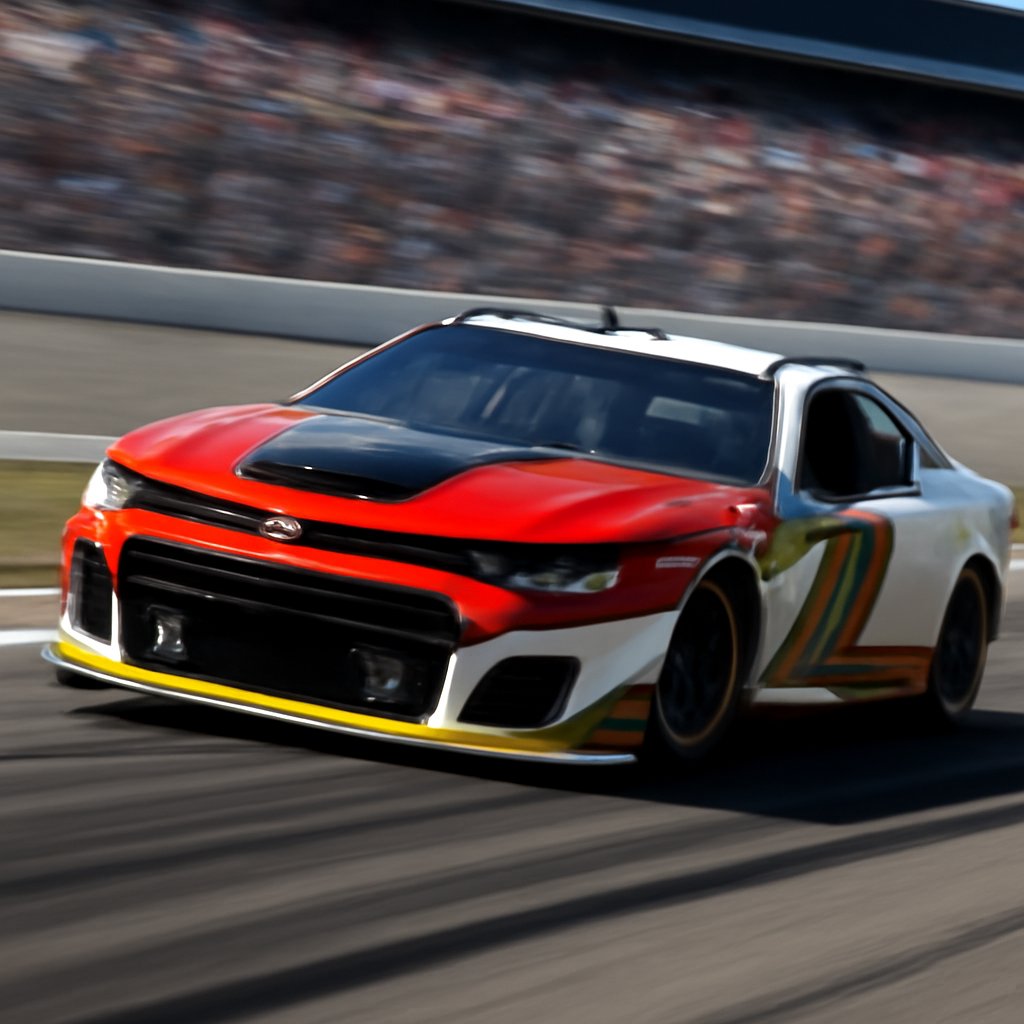
From the pit lane perspective, tire management isn’t just about grip—it’s a calculated business play that can swing sponsor ROI and team budgets in ways fans rarely see. NASCAR tire strategy often decides Cup Series outcomes more through preparation than outright speed, with teams pouring resources into analyzing Goodyear compounds, track temps, and wear rates to outmaneuver rivals. What teams don’t tell fans is how these calls tie directly into sponsor visibility, as longer stints on track keep logos in the broadcast frame while aggressive pitting can chase stage points that protect multimillion-dollar partnerships.
Goodyear remains the exclusive supplier across the series, delivering tailored compounds for each venue. Softer options deliver the initial edge in cornering but break down quicker under the heat of 180-plus mph runs, while harder variants extend stints at the cost of peak performance. Crew chiefs lean on practice data and historical trends to pick starting sets, factoring in variables like pavement temperature, humidity, and air density—especially critical at venues such as Indianapolis Motor Speedway, where small misreads inflate operating costs.
The relationship between Goodyear and NASCAR teams extends far beyond simply mounting rubber on wheels. Engineers spend countless hours before each race weekend analyzing track-specific data that Goodyear provides, including historical tire performance metrics from previous events at the same venue. Teams with larger budgets employ dedicated tire engineers who work exclusively on compound selection and wear modeling. These specialists build predictive models that account for everything from expected pit window timing to fuel burn rates, creating a comprehensive tire strategy blueprint before a single practice lap is turned. Smaller teams often rely on shared intelligence networks and pit box experience to make similar educated guesses, putting them at a disadvantage when unexpected weather or track conditions emerge during the race.
Soft tires let drivers attack early and build separation on restarts, yet blistering risks spike past 40 laps. Harder compounds support fuel-mileage stretches that preserve equipment and reduce the chance of costly failures. Veterans like Denny Hamlin have turned this into a signature strength, conserving grip through smart driving that keeps teams competitive without burning through allocations. Constant spotter-driver dialogue refines those adjustments on the fly.
Understanding tire degradation patterns is crucial for teams aiming to maximize performance across a full race distance. Unlike road racing series where drivers may make multiple tire changes per event, NASCAR’s limited allocation means every set counts. Teams track degradation curves for each compound at each track type—superspeedways, intermediate tracks, short tracks, and road courses all present unique wear characteristics. A tire that shows predictable wear at 1.5-mile Michigan International Speedway might behave completely differently at 2-mile Las Vegas Motor Speedway due to banking angles, turn radius, and lateral g-forces. Crews develop wear profiles from practice sessions and apply machine learning algorithms to predict exactly when a tire set will fall off the performance cliff, allowing them to time pit stops to minimize lost track position.
Modern telemetry gives engineers live reads on pressure, temperature, and degradation, syncing with fuel data to time stops. A two-tire call can net track position and sponsor airtime, but four-tire changes become mandatory when handling slips. Weather swings force instant pivots, separating title contenders from the pack at road courses and intermediates alike.
The technology behind tire monitoring has evolved dramatically in recent seasons. Infrared temperature guns mounted on pit boxes measure tire surface temps to within fractions of a degree, while pressure sensors embedded in tires transmit real-time data directly to the team’s engineering center. This information flows to a dedicated tire strategist who monitors trends across all four corners of the car, identifying early signs of trouble before drivers report problems over the radio. When one tire shows unexpected temperature spikes, it often signals misalignment, suspension issues, or brake imbalance—problems that tire specialists flag for chassis engineers to address during the next stop. This integrated approach transforms tire data from a simple wear indicator into a comprehensive health diagnostic for the entire vehicle.
Driver input elevates these decisions. Reports on pushing or loosening trends allow wedge and track-bar tweaks at the next stop. Kyle Busch stands out for his precise feedback, converting raw sensor data into mid-race refinements that stretch tire life and protect the bottom line.
The art of tire communication between driver and crew extends beyond basic descriptions of handling. Elite drivers develop nuanced vocabulary to describe tire behavior at different speeds and turning angles. A driver might report that the car feels “loose on entry but tight in the middle of the corner”—feedback that tells engineers whether the front tires are overheating or the suspension geometry needs adjustment. Some drivers can feel temperature variations of just a few degrees in a tire, allowing them to modulate braking pressure and steering input to preserve rubber through critical stints. Teams that cultivate this driver-engineer partnership gain measurable advantages in tire longevity, often stretching a single set through additional laps while competitors are forced to pit earlier.
Historic examples underscore the stakes. At the 2019 Brickyard 400, teams that extended older sets during late cautions gained positions, while timely four-tire stops propelled drivers like Chase Elliott forward. Similar gambles at Martinsville and Phoenix have flipped results, reminding stakeholders why tire calls rank among the highest-leverage strategy elements in the sport.
The 2021 championship battle between Kyle Larson and Chase Elliott demonstrated tire strategy’s championship-deciding power. Larson’s team consistently made superior tire calls in the final laps of crucial races, particularly at Las Vegas and Phoenix, where one-lap shootouts determined outcomes. Larson’s crew chief Chad Johnston became known for calculating pit window timing with surgical precision, often timing stops to position his driver in traffic that masked pit stop losses. Meanwhile, Elliott’s team occasionally found themselves caught out by aggressive competitors making unexpected pit calls, highlighting how defensive strategy—staying out while rivals pit—can backfire when calculated poorly.
Over a full season, disciplined tire management protects points hauls that determine championship bonuses and sponsor renewals. Circuits rewarding conservative runs versus aggressive early pushes shape long-term planning, with drivers like Martin Truex Jr. often converting that discipline into consistent top finishes and steadier revenue streams.
Key data points teams track include Goodyear’s typical allotment of three to four compounds per weekend and a 16-set limit for practice and race. Intermediate-track life averages 35 to 55 laps depending on conditions. Two-tire stops can recover up to 10 spots but risk late-race handling drop-off. Winners at Indianapolis historically average 1.2 fewer stops when strategy clicks. Infrared sensors now flag blistering up to five laps ahead of visual detection, while a 10-degree track-temp swing can shift optimal stint length by eight laps.
The economics of tire allocation remain among the most closely guarded secrets in NASCAR. Teams strategically distribute their 16-set allocation across practice sessions, qualifying, and race day based on track conditions and setup exploration needs. A team running a new aerodynamic package might dedicate eight sets to practice, leaving only eight for race day—forcing tire decisions before fully understanding the setup. Conversely, experienced teams at familiar venues might run minimal practice miles, preserving fresh rubber for the race where it matters most. This allocation strategy fundamentally shapes which teams can afford experimental setups and which must play it safe, creating a subtle competitive advantage for well-funded organizations with deeper analytical resources and historical data archives.
Success in the Cup Series blends scientific prep, driver insight, and adaptability with the horsepower everyone sees. As regulations and tech evolve, tire strategy stays central to both race-day margins and the broader economics of team ownership.