
Top NASCAR Safety Innovations Over Time
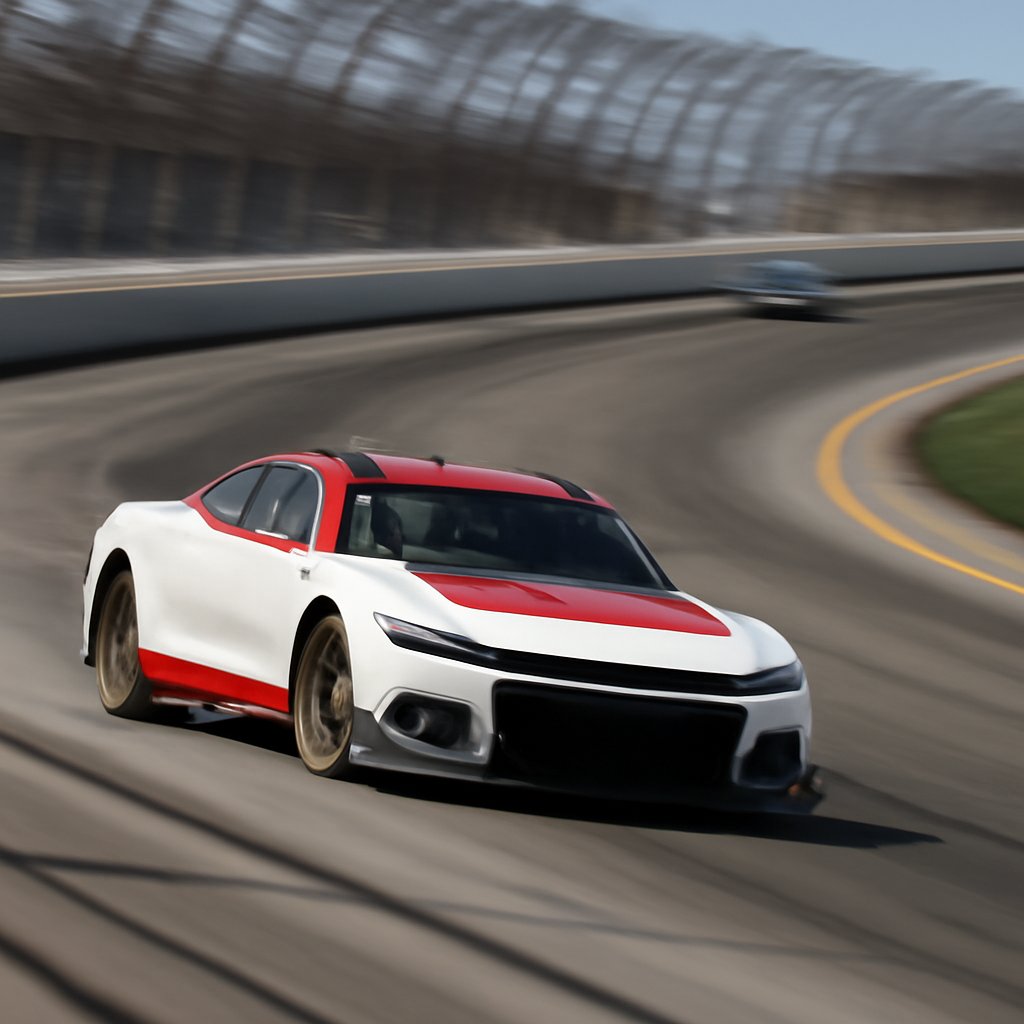
Growing up in Charlotte, NASCAR wasn’t a hobby — it was life, and these safety innovations turned what used to be a wild, high-risk gamble into one of the most protected forms of motorsport around. Over the years, engineers, drivers, and the folks running the show have worked together on changes that keep Cup Series drivers safer during those flat-out runs at places like Daytona and Talladega. My grandfather watched this sport evolve from the early days, and he’d shake his head at how far we’ve come from basic setups to the gear that protects folks today through crashes, fires, and everything in between.
Back in the early years, drivers made do with simple lap belts that didn’t do much when things went wrong at speed. As things heated up in the 1950s and 1960s, a few bad wrecks showed everyone the need for better hold-downs, and that’s when five-point harnesses started making the difference by keeping drivers planted and cutting down on those rollover ejections. By the 1970s, six-point harnesses became the rule in Cup cars, with shoulder and leg straps spreading the forces out and slashing spinal injuries. Teams added those foam-composite seats that cradle you during the big hits you see at superspeedways, and it changed everything.
The engineering behind these harness systems goes deeper than most fans realize. Modern six and seven-point harness setups distribute crash forces across the driver’s strongest body parts—shoulders, hips, and thighs—rather than concentrating impact through a single belt. This distributed load system significantly reduces internal injuries and organ damage that could occur from concentrated pressure. The webbing itself has evolved too, moving from simple nylon to high-strength materials that stretch minimally while remaining flexible enough to work with driver movement during normal racing conditions. Teams now adjust harness angles and positioning to match each driver’s unique physiology, understanding that a one-size-fits-all approach leaves room for improvement in protection.
Window nets came along in the 1980s to stop arms from flying out in debris or flips. Then containment seats with head supports stepped up the cockpit game after some hard lessons on side impacts. These days those seats use materials that soak up energy while holding together through a long 500-mile grind.
Trackside changes kept pace too. Old concrete walls got replaced with designs that give a little instead of throwing all that force straight back at the car. At tracks from Charlotte Motor Speedway on up, these upgrades have saved plenty of careers by softening the blows that used to happen regular in Cup events.
The SAFER barrier system rolled out in the early 2000s, using steel tubes and foam padding that crumple on contact. You’ll find it at nearly every NASCAR track now, dropping g-forces by as much as 80 percent in some wrecks. Catch fences with energy-absorbing tops help too, protecting both drivers and fans when those big multi-car piles happen at Daytona or Talladega. The SAFER barrier represents one of the most important technological leaps in motorsport history, developed through collaboration between NASCAR, IndyCar, and university researchers who studied crash dynamics and energy absorption in meticulous detail.
What many fans don’t fully appreciate is how the SAFER barrier works in real-time physics. When a car hits the barrier at speed, the foam pancakes and the steel tubes deform in a controlled manner, essentially creating a crush zone that extends the impact duration. By spreading the deceleration over a longer time period, the g-forces experienced by the driver drop dramatically. A crash that might have produced 60+ g’s on a solid wall now produces 15-20 g’s with SAFER barrier protection. That difference between 60 g’s and 20 g’s is literally the difference between career-ending or life-ending injuries and walking away from the wreck.
Roof flaps showed up in the 1990s to keep cars from lifting off at high speeds, popping out automatically to kill the lift. They’ve been standard ever since, and the Next Gen cars carry even sharper aero setups that steady things down without losing that edge. The roof flap system works by detecting sudden changes in air pressure around the vehicle, automatically deploying small flaps on the roof that disrupt the aerodynamic lift that builds up during high-speed slides. Without roof flaps, a car spinning and sliding sideways at 180+ mph can actually become airborne, which has led to some of the most catastrophic crashes in racing history. The introduction of roof flaps essentially eliminated that particular danger entirely.
Head and neck protection got serious with the HANS device in the early 2000s. That yoke tethers the helmet to the harness and cut basilar skull fracture risks way down. Fire-retardant suits and in-car suppression systems added another layer, making modern racing safer all around.
Mandated by 2002 across the series, the HANS has stopped more than a few potential fatalities with its light carbon-fiber build that still lets drivers move while locking down forward head motion. Advanced helmets with extra padding back it up during those sudden stops. Flame-resistant Nomex suits grew into full kits with gloves, shoes, and balaclavas built for real heat. Onboard fire bottles now trigger automatically on impact, giving drivers those extra seconds to get out. You see the results in places like Charlotte, where real-world data keeps shaping the next improvements.
The biomechanics behind the HANS device reveal why it’s so effective. During a frontal collision, the human head and neck experience severe acceleration forces. The neck—a relatively delicate structure of vertebrae, discs, and ligaments—isn’t designed to handle the sudden forward whip that occurs in crashes. The HANS device works by using straps that connect the helmet to the shoulders, essentially sharing the load and preventing excessive neck extension. Studies have shown that the HANS reduces neck load forces by up to 70 percent in certain crash scenarios, making it one of the single most effective pieces of safety equipment in motorsport.
Modern NASCAR also incorporates advanced data collection systems that record g-force impacts, seat belt tension, and head acceleration during every single race. This data feeds back into ongoing research that continuously refines safety equipment. Engineers review crash footage and telemetry from even minor incidents to identify potential improvements. It’s this commitment to data-driven safety that keeps NASCAR ahead of the curve in crash protection compared to other motorsports.
The numbers tell the story plain: SAFER barriers sit at over 30 tracks since 2002 and helped drive a 75 percent drop in serious wall-impact injuries. The HANS has prevented an estimated 20-plus potential deaths in pro stock car racing since it became required. Today’s Cup cars carry more than 50 safety upgrades over 1990s machines, including data recorders that feed future designs. Fire incidents fell over 90 percent thanks to better fuel cells and suppression starting in the 1980s. Driver fatalities in the top series went from averaging three per decade before 2000 to zero in the last 15 years.
Beyond individual components, NASCAR’s safety culture has fundamentally shifted over the past two decades. The sport now treats near-misses and minor incidents as learning opportunities rather than inevitable parts of racing. Medical personnel at every track are specially trained in motorsport trauma, with helicopter evacuation services standing by at all major events. Safety committees meet regularly to review incidents and propose improvements, with driver input valued as highly as engineering analysis. This holistic approach to safety—treating it not as a cost center but as a core value—distinguishes modern NASCAR from how the sport operated even 15 years ago.
All these steps show how the sport keeps learning from every race to protect drivers while holding onto the competition that makes it thrilling. From harnesses and barriers to head restraints and fire systems, each piece builds on what happened before. With the Next Gen cars rolling on, more work is coming that’ll keep the action at Daytona, Talladega, and right here in Charlotte as safe as it is exciting for everyone on the track and in the stands.