
Most Memorable Photo Finishes in NASCAR
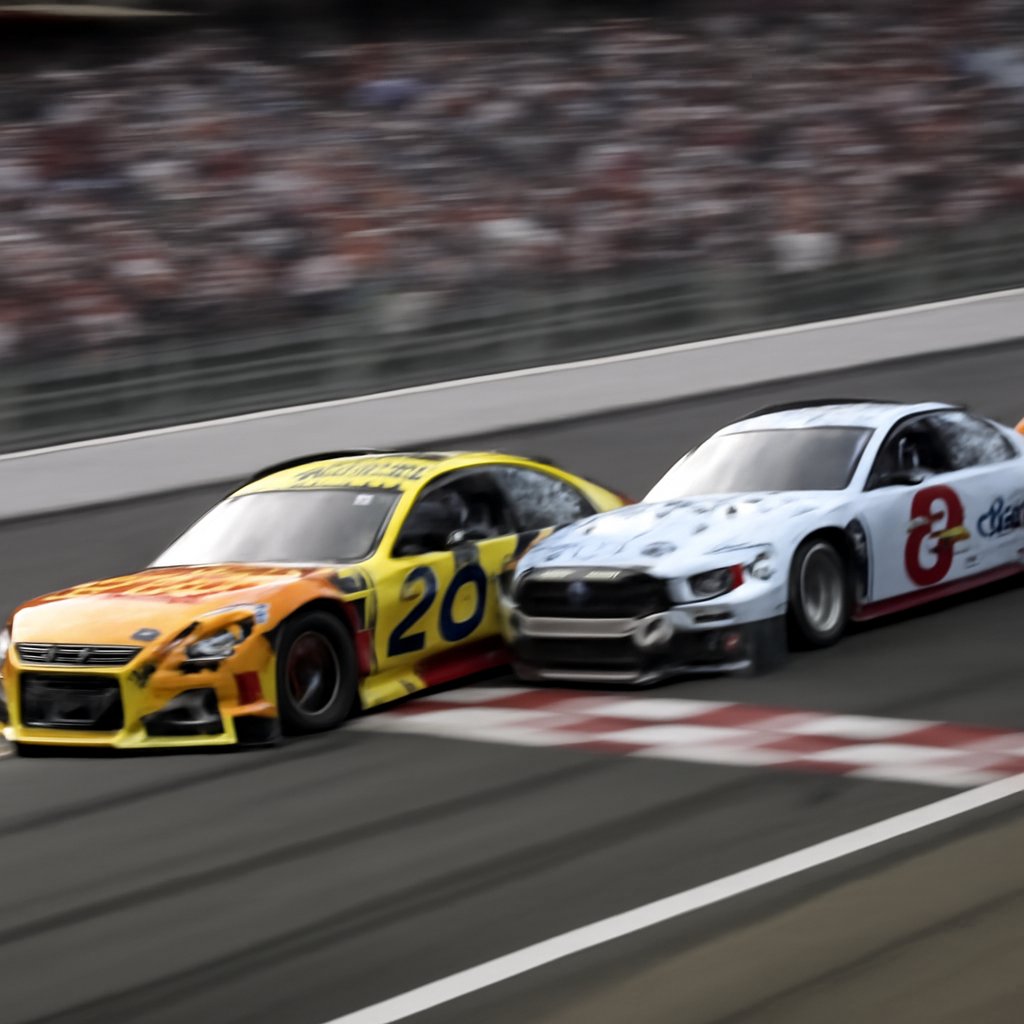
Growing up in Charlotte, NASCAR wasn’t a hobby — it was life, and these photo finishes are exactly why the sport grabs hold of you and never lets go. From the high banks of Daytona to the wild, unpredictable turns at Darlington, these moments mix raw speed, smart strategy, and a little luck that fans still argue about decades later. My grandfather used to say the split-second calls at superspeedways like Talladega decide championships, and he was right.
Take that 2007 Daytona 500. Kevin Harvick just nipped Mark Martin by 0.02 seconds after a wild last-lap scramble full of lead changes. Driving for Richard Childress Racing, Harvick used a late caution and a shove from teammate Clint Bowyer to get to the line first. That win gave him his first Daytona victory and showed how tiny aerodynamic edges and perfect throttle control turn restrictor-plate racing into pure legend. My grandfather watched this track get built, and he’d tell you those drafting packs breaking apart near the flag are what make Daytona special.
Then there’s the 2011 Southern 500 at Darlington. Regan Smith held off Carl Edwards by a crazy 0.002 seconds — so close they needed every camera angle to sort it out. That egg-shaped track with its unique banking makes tires wear funny and handling unpredictable, but Smith managed his Furniture Row car perfectly while Edwards pushed his Roush machine to the limit. It proved track position and clean air matter more than ever when margins get measured in thousandths.
Beyond those, Talladega and Bristol have given us plenty more heart-stoppers. Back in 1993 at the Winston All-Star Race, Dale Earnhardt, Kyle Petty, and Mark Martin went three-wide and crossed within inches. In 2015 at Talladega’s Coke Zero 400, Dale Earnhardt Jr. beat Clint Bowyer by 0.012 seconds on a last-lap pass that had the whole garage talking. Those restrictor-plate packs create momentum swings you can feel from the grandstands, and one wrong move sends everything spinning. Crew chief pit calls and veteran know-how make the difference.
The 2003 Craftsman Truck Series race at Las Vegas Motor Speedway also deserves mention, where Jon Wood edged out Mike Skinner by just 0.002 seconds—tying that Darlington record for closest finishes. What made this finish memorable wasn’t just the margin, but the fact that both drivers had been battling wheel-to-wheel for the final fifty laps, each one thinking they had the car to win. In truck racing especially, where cars are lighter and more susceptible to drafting effects, those final heartbeats before the checkered flag create pure adrenaline both in the cockpit and in the stands.
One finish that often gets overlooked is the 2002 Craftsman Truck Series race at Memphis Motorspeeds, where Mike Skinner held off Dennis Setzer by 0.001 seconds—a margin so infinitesimal that modern timing systems barely register it. That race showcased how advances in transponder technology changed NASCAR forever. In the old days, photo finishes would be called by judges using film frames. Now, electronic timing captures every thousandth of a second, making the verdicts both more definitive and occasionally more controversial when fans watch replays frame-by-frame at home.
The numbers tell the story too. The closest Cup finish on record is still that 2011 Darlington result at 0.002 seconds. Harvick’s 2007 Daytona win sits right there as the benchmark for plate racing drama. More than fifteen races since 2000 have been decided by under 0.05 seconds, and Daytona plus Talladega account for nearly 40 percent of them thanks to all that drafting. Modern transponders now nail times down to 0.001 seconds.
What makes photo finishes so compelling is understanding the mechanics behind them. At restrictor-plate tracks like Daytona and Talladega, cars run in tight packs where aerodynamic advantage is everything. Drivers draft off each other, essentially “surfing” the air displaced by the car ahead. A driver might gain three to five miles per hour just by positioning correctly in the slipstream. In the final laps, this becomes a high-speed chess match—do you make your move too early and risk running out of fuel or getting passed, or do you wait until the final corner when it’s almost too late to execute? The physics are brutal. One car’s hood at the finish line versus another’s rear bumper can mean millions in prize money and the difference between championship contention and mid-pack obscurity.
Bristol Motor Speedway, though not typically producing restrictor-plate finishes, has seen several nail-biters because of its unique racing characteristics. The high-banked half-mile track rewards aggressive drivers who can manage the limits of tire grip. In 2019, Erik Jones defeated Kurt Busch by 0.016 seconds in a race where both drivers ran strong all day and simply refused to give an inch in the closing laps. That kind of finish showcases pure driver talent rather than lucky drafting breaks.
Technology has transformed how we experience these moments. Fans at home can now watch multiple camera angles in slow motion, sometimes creating debates about which car actually crossed first. The in-car cameras that broadcast from the driver’s perspective show the raw intensity—white knuckles on the steering wheel, eyes fixed on the finish line, pit crew on their feet screaming through headsets. Teams review footage for weeks after, analyzing whether they could have done something different on pit road or with setup to change the outcome by even a tenth of a second.
The human element matters tremendously too. A driver’s experience, composure under pressure, and ability to manage tires and fuel over 500 miles can be the difference in a photo finish. Some drivers are known for their clutch performances—drivers like Mark Martin, who competed in dozens of photo finishes throughout his legendary career, or Jeff Gordon, who seemed to save his best driving for the most important moments. These veterans knew how to position their cars, read their competition, and make calculated risks when it mattered most.
Modern NASCAR has implemented even more precision in timing and photo finish procedures. When races finish within fractions of a second, the race control officials have protocols to review all available footage before making a final call. Occasionally, this has led to reversals of initial on-track decisions, which shows that even with technology, these margins are genuinely that close.
These photo finishes keep pulling us back because they blend skill, technology, and pure unpredictability like nothing else in racing. Whether it’s the old ovals or newer venues, that tension at the line keeps NASCAR right at the front of the sport. Every fan remembers exactly where they were watching when their favorite driver either snatched victory by an inch or got robbed by the same. That’s the magic of NASCAR—these split-second moments define careers, break hearts, and create stories told for generations.