
Inside the Business of NASCAR Merchandise Sales
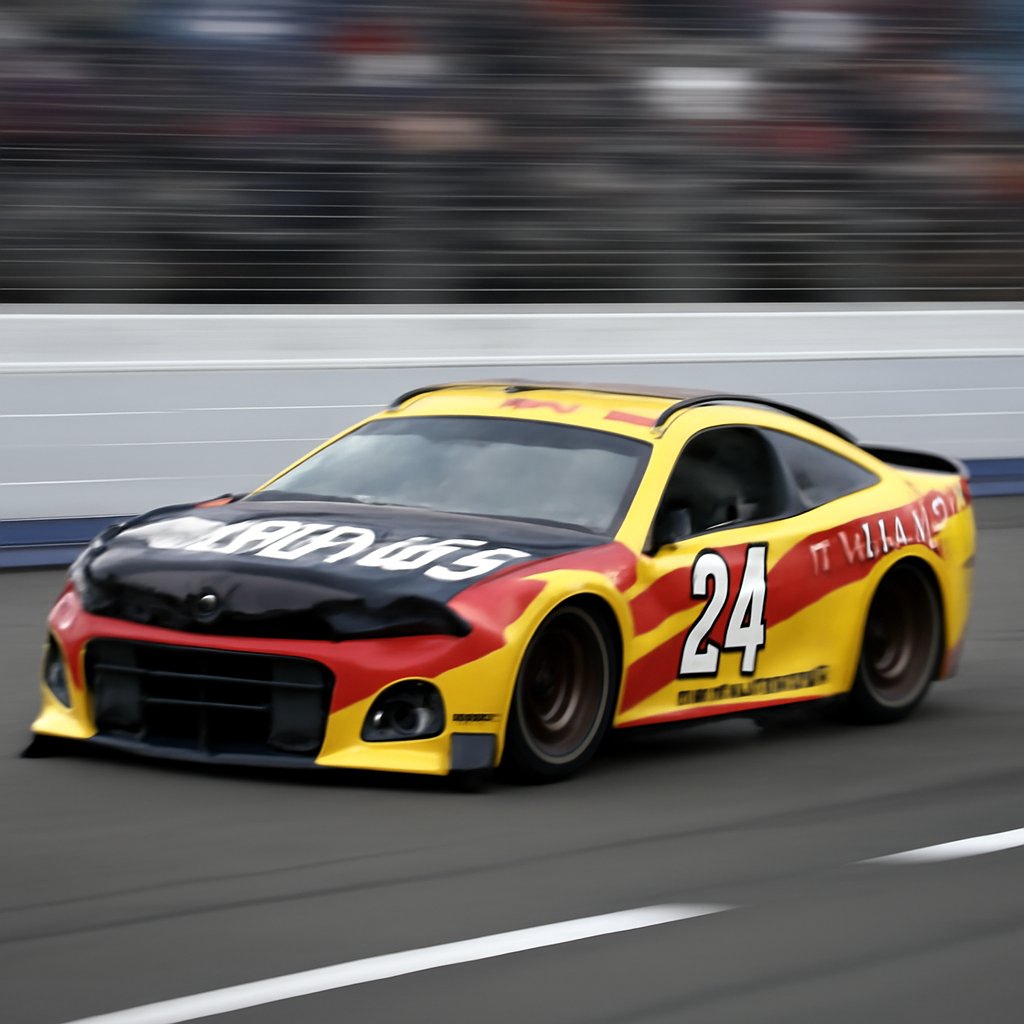
NASCAR merchandise has quietly become one of the sport’s most reliable revenue streams, converting fan loyalty into annual sales that top $1.5 billion across all series while giving teams and drivers a financial buffer that prize money alone can’t deliver. What teams don’t tell fans is that for many organizations, apparel and collectibles now rival or exceed earnings from certain race weekends, turning every victory into an immediate line-item boost.
From the pit lane perspective, the shift began in earnest during the 1980s and 1990s when legends like Dale Earnhardt proved that a signature black No. 3 Chevrolet could generate cultural demand far beyond the track. Early sales of basic T-shirts and hats at local venues have evolved into sophisticated operations that rely on data analytics, digital printing, and real-time trend forecasting tied to results at Daytona, Talladega, and beyond. Major teams such as Hendrick Motorsports and Joe Gibbs Racing now treat merchandise as a core strategic asset, often allocating dedicated staff and licensing partnerships that protect sponsor visibility while maximizing driver-branded revenue.
Trackside vending once ruled, but the rise of online platforms—led by Fanatics, which controls licensing rights for more than 80 percent of official Cup Series driver merchandise—has leveled the field. Smaller organizations can now reach global buyers within hours of a win, while pop-up shops at race weekends create the urgency that drives limited-edition diecast and apparel sell-outs. Digital storefronts account for more than 60 percent of total revenue, supported by targeted campaigns that factor in fan location and driver performance spikes.
The mechanics of modern NASCAR merchandise operations reveal a sophisticated ecosystem that extends far beyond simple product sales. Teams now employ dedicated merchandise managers and brand strategists who understand the nuances of fan psychology and purchasing behavior. When a driver secures a playoff spot or wins a major race, inventory systems automatically trigger production runs of celebratory items—sometimes within 24 hours. This agility requires partnerships with manufacturers capable of rapid fulfillment, and many teams work with multiple vendors to ensure they can capitalize on momentum without overcommitting capital to slow-moving inventory.
Drivers like Chase Elliott and Kyle Busch illustrate how personal branding translates directly into consistent sales of hats, hoodies, and replica helmets. A strong post-race interview or championship celebration can trigger a 300 percent surge in orders, a dynamic teams monitor closely because it reinforces sponsor value and justifies continued investment in driver marketing. Women now make up 35 percent of buyers, pushing teams to expand styles and materials in ways that also address sustainability concerns amid shifting consumer preferences.
The diecast model category deserves special attention within the broader merchandise landscape. These highly detailed 1:64 and 1:24 scale replicas of race cars remain a cornerstone of collectible revenue, with enthusiasts viewing them as both toys and investments. Lionel Racing and other authorized manufacturers produce thousands of variants tied to specific race wins, paint schemes, and anniversaries. A vintage diecast from Dale Earnhardt’s dominant years can now command premium prices on secondary markets, creating a perception of collectible value that drives initial purchases. This secondary market legitimacy—where certain models appreciate rather than depreciate—has transformed diecasts from impulse purchases into strategic acquisitions for serious fans, sustaining demand even in economic downturns.
Limited-edition releases represent another high-margin opportunity that savvy teams exploit effectively. By restricting production runs to 5,000 or 10,000 units, teams create artificial scarcity that commands premium pricing. A limited diecast or commemorative helmet replica might sell at $75–$150 compared to standard merchandise at $25–$45, yet fans perceive the value as justified by exclusivity. This strategy also generates secondary demand, as collectors hunt for sold-out variants through eBay and specialty retailers, further amplifying brand awareness and fan engagement.
The international dimension of NASCAR merchandise has expanded dramatically in recent years. While the sport remains primarily U.S.-focused, global streaming has introduced international fan bases in Canada, Europe, and Australia. Fanatics and other distributors now offer regional shipping and localized marketing, allowing teams to capture fans who may never attend a race in person. A fan in the United Kingdom watching Chase Elliott on streaming services can purchase his merchandise within days, creating revenue streams that were virtually impossible to access two decades ago. This globalization has also prompted teams to consider cultural preferences in design and messaging, recognizing that merchandise appeal transcends geographical boundaries.
Supply-chain pressures, counterfeit goods, and competition for entertainment dollars remain real hurdles, yet the numbers tell a resilient story. The counterfeit issue particularly concerns teams and licensing bodies, as unauthorized sellers—often operating overseas—undercut official retailers while generating zero revenue for drivers and organizations. NASCAR and Fanatics have invested in authentication technologies and legal enforcement to combat this loss, which industry estimates suggest costs legitimate sellers 8–12 percent of potential revenue annually. Online channels dominate, trackside sales still deliver roughly $200 million across the 36-race season, and diecast models linked to specific victories represent 25 percent of collectible revenue.
Sponsorship integration within merchandise creates additional complexity and opportunity. A driver’s primary sponsor may negotiate exclusive logo placement on certain apparel, or conversely, negotiate restrictions to protect their own brand identity. This requires careful coordination between team merchandise managers, sponsors, and licensing bodies to ensure every product respects contractual obligations. When handled effectively, sponsor integration can actually enhance merchandise appeal—fans wearing a driver’s hoodie with sponsor logos essentially become mobile advertisements, creating brand awareness that extends far beyond the racetrack.
Top Cup Series drivers can clear more than $5 million annually from merchandise alone, providing the kind of stable income that helps offset the rising costs of competition. For mid-tier and lower-tier drivers, merchandise can represent 30–50 percent of total annual earnings, making brand development and fan engagement critical to financial sustainability. This income disparity creates an incentive structure where established drivers with large fan bases continuously invest in merchandise expansion, while emerging talent must build their personal brand aggressively to generate comparable revenue.
Seasonal trends also influence merchandise strategy significantly. Summer months typically see elevated sales of t-shirts and lighter apparel, while fall and winter drive demand for hoodies, beanies, and heavier outerwear. Teams strategically time new collection releases to align with these seasonal patterns, often launching flagship designs ahead of the holidays when gift-buying peaks. Race-specific merchandise also creates spikes—fans attending the Daytona 500 or Southern 500 purchase commemorative items at higher rates than those watching at home, and trackside pricing premiums reflect this captive market dynamic.
From a business standpoint, the teams and drivers who treat merchandise as an extension of their on-track strategy—rather than an afterthought—are the ones building lasting financial stability and deeper connections with supporters at every venue. Success requires understanding that merchandise sales represent a conversation between driver and fan, where quality products, timely releases, and authentic branding create loyalty that translates into sustained revenue regardless of immediate race results.
Sources
- NASCAR.com News & Media – Official NASCAR news and press releases
- ESPN NASCAR – Comprehensive NASCAR coverage and business analysis
- Motorsport.com NASCAR – International racing journalism and industry insights
- NASCAR Official Merchandise – Official NASCAR retail and licensing information
- Sports Business Journal – Sports industry business and revenue analysis