
Best NASCAR Tracks for High Speed Thrills
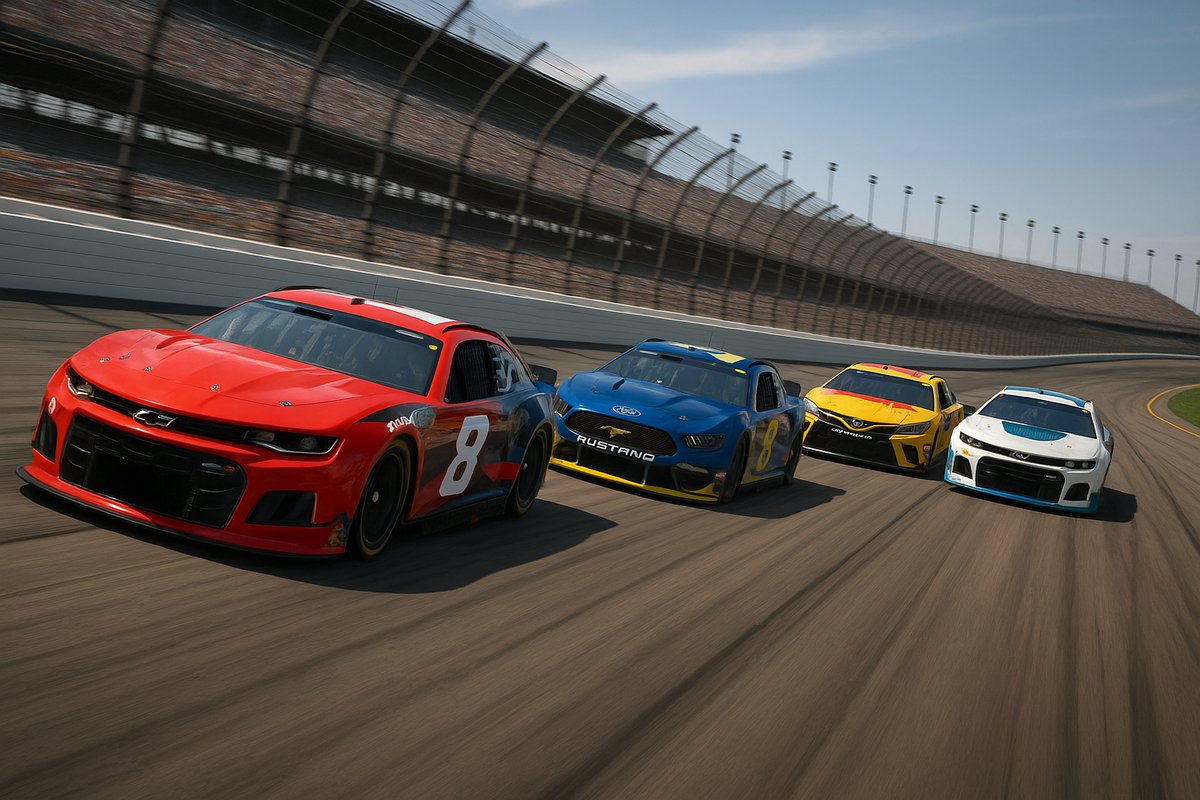
When it comes to the best NASCAR tracks for high speed thrills, superspeedways stand out as the ultimate venues where NASCAR Cup Series drivers push their machines beyond 200 mph. These tracks combine long straights, steep banking and pack racing that create intense moments of strategy and raw speed every season.
Growing up in Charlotte, NASCAR wasn’t a hobby — it was life, and nothing gets the blood pumpin’ like those wide-open superspeedways. Daytona International Speedway remains the gold standard among the best NASCAR tracks for high speed thrills. Its 2.5-mile tri-oval features 31 degrees of banking in the turns, allowing cars to run three-wide or even four-wide during restrictor-plate races. The track has hosted the Daytona 500 since 1959, producing legendary photo finishes and dramatic last-lap passes that define NASCAR Cup Series history. My grandfather watched this track get built back in the day, and he’d tell stories about how it changed everything for folks like us down South.
The long backstretch and the famous tri-oval create unique drafting opportunities. Drivers must master the art of running inches from the car ahead while managing tire wear and fuel mileage. Recent repaving has kept surface grip high, resulting in average race speeds often exceeding 180 mph when conditions allow. From Dale Earnhardt’s long-awaited 1998 Daytona 500 victory to Denny Hamlin’s multiple wins in the 2020s, Daytona consistently delivers the high-speed drama fans crave. The track’s night races under the lights add another layer of intensity to the experience.
What makes Daytona particularly challenging is the constant threat of multi-car incidents that can reshape the entire race outcome in seconds. The high speeds combined with tight pack racing mean drivers must maintain laser focus for four to five hours straight. The psychological pressure at Daytona separates legendary drivers from the rest of the field. Teams spend weeks preparing specific setups for superspeedway racing, knowing that a tenth of a second in qualifying can determine pit position that ultimately decides the race. The banking at Daytona also creates what drivers call the “marbles” — the loose rubber buildup on the high side of the track that can cause sudden loss of grip if a driver ventures too far outside the racing groove.
Talladega Superspeedway earns its reputation as one of the best NASCAR tracks for high speed thrills with its massive 2.66-mile layout and 33 degrees of banking. It holds the NASCAR record for the fastest qualifying lap ever recorded in a stock car, pushing past 212 mph in years past. The track’s unique geometry forces drivers into tight packs where a single mistake can trigger multi-car wrecks. Modern aero packages have slightly reduced outright speeds, yet the thrill remains unmatched because of the sheer number of cars running nose-to-tail at over 195 mph. We Charlotte folks make the trek up there every chance we get — it’s pure adrenaline on that Alabama asphalt.
Teams focus heavily on drafting partners and timing their runs. The “Big One” is always a threat, making fuel strategy and positioning critical in the final stages of NASCAR Cup Series events. Drivers like Brad Keselowski and Chase Elliott have mastered the art of surviving the chaos while capitalizing on late-race momentum. Talladega’s history includes some of NASCAR’s most memorable moments, including Richard Petty’s iconic 200th career victory in 1984 and numerous photo finishes that have left fans breathless. The track produces racing that is genuinely unpredictable — any driver in the top 15 can realistically win on any given Sunday, which is why underfunded teams sometimes pull off miracle victories at this venue that would be impossible elsewhere on the circuit.
The narrow pit road at Talladega adds another layer of complexity to pit strategy. Crews must execute lightning-fast stops while navigating tight constraints, and a pit road speeding penalty can end championship hopes in an instant. The elevation changes across Talladega’s surface also affect how cars handle throughout the race, requiring teams to make adjustments as fuel loads decrease and tire wear accelerates.
Atlanta Motor Speedway offers a different flavor of high-speed action with its 1.54-mile quad-oval and progressive banking that reaches 28 degrees. The track’s recent reconfiguration created a higher-speed racing surface that rewards aggressive moves and long runs. The redesigned Atlanta has become one of the most modern facilities in motorsports, featuring expanded seating and premium fan experiences that complement the on-track action. The asymmetrical design means that the racing characteristics change significantly based on whether teams are pushing through turns one and two versus turns three and four, requiring sophisticated setups that balance speed through both sections of the track.
Michigan International Speedway delivers two-mile oval racing with long straights that produce sustained high speeds. Its wide racing groove allows multiple passing lanes, making it another favorite among drivers seeking the best NASCAR tracks for high speed thrills outside traditional superspeedways. The Michigan summer races are particularly intense, with afternoon temperatures that can exceed 90 degrees, affecting tire performance and mechanical reliability throughout the event. Drivers must manage not just the physical demands of high-speed racing but also the mental fatigue of maintaining concentration in extreme heat for over three hours of competition.
While shorter than true superspeedways, Texas Motor Speedway’s 1.5-mile layout and steep banking generate impressive cornering speeds that test both car setup and driver bravery during NASCAR Cup Series weekends. The D-shaped configuration creates distinct characteristics in each corner, requiring engineers to develop setups that compromise effectively between competing demands. Texas has also hosted some of the closest finishes in modern NASCAR, with multiple one-lap thrillers that showcase the competitive nature of the venue.
The Homestead-Miami Speedway, though slightly smaller at 1.5 miles with 6 degrees of banking, has gained prominence as a high-speed venue with its recently repaved surface. The flatter banking compared to superspeedways means drivers must rely more heavily on aerodynamics and suspension setup rather than banking assistance, creating a different strategic challenge. Homestead has crowned championship contenders in nail-biting finishes that demonstrate how unpredictable racing can be at high speeds.
Here’s the straight facts that back it all up:
– Daytona International Speedway has hosted 65 Daytona 500s with an average winning speed of 157.6 mph.
– Talladega holds the all-time NASCAR qualifying record at 212.809 mph set in 1987.
– Atlanta’s reconfigured surface allows modern Cup cars to average over 180 mph in qualifying trim.
– Michigan International Speedway produced the fastest race lap average in NASCAR history at 187.7 mph in 2014.
– Superspeedway races account for nearly 40 percent of all multi-car incidents in the NASCAR Cup Series.
– The longest green-flag run at Talladega reached 104 laps during the 2022 season.
– Daytona’s frontstretch measures 3,800 feet, the longest in NASCAR Cup Series competition.
– More than 200 mph has been achieved in race trim at Talladega during drafting packs.
– Texas Motor Speedway averages over 185 mph in qualifying trim with modern aero packages.
– Michigan’s straightaways exceed half a mile in length, providing extended high-speed runs.
The technology required to compete at these high-speed venues has evolved dramatically over the decades. Modern NASCAR Cup Series cars use sophisticated telemetry systems that monitor hundreds of data points per second, allowing engineers to optimize performance in real-time. Suspension geometry, brake balance, fuel mixture, and tire pressures are constantly adjusted throughout practice sessions and races to maximize speed while maintaining reliability. The engineering required to run competitively at superspeedways represents some of the most advanced work in motorsports.
Safety advancements have been crucial in enabling higher speeds with acceptable risk levels. The introduction of safety equipment like the SAFER barrier, improved driver restraints, and enhanced helmet technology has made superspeedway racing safer even as speeds have increased. NASCAR continues to evolve safety protocols based on real-world incidents and technological breakthroughs that protect drivers while preserving the thrill that fans crave.
The best NASCAR tracks for high speed thrills continue to captivate fans through their unique combination of raw velocity, strategic drafting and unpredictable outcomes. Whether it is the historic banking at Daytona, the record-setting straights at Talladega or the progressive layout at Atlanta, each venue delivers unforgettable NASCAR Cup Series moments. As technology and rules evolve, these tracks remain the