
Complete Guide to Daytona International Speedway
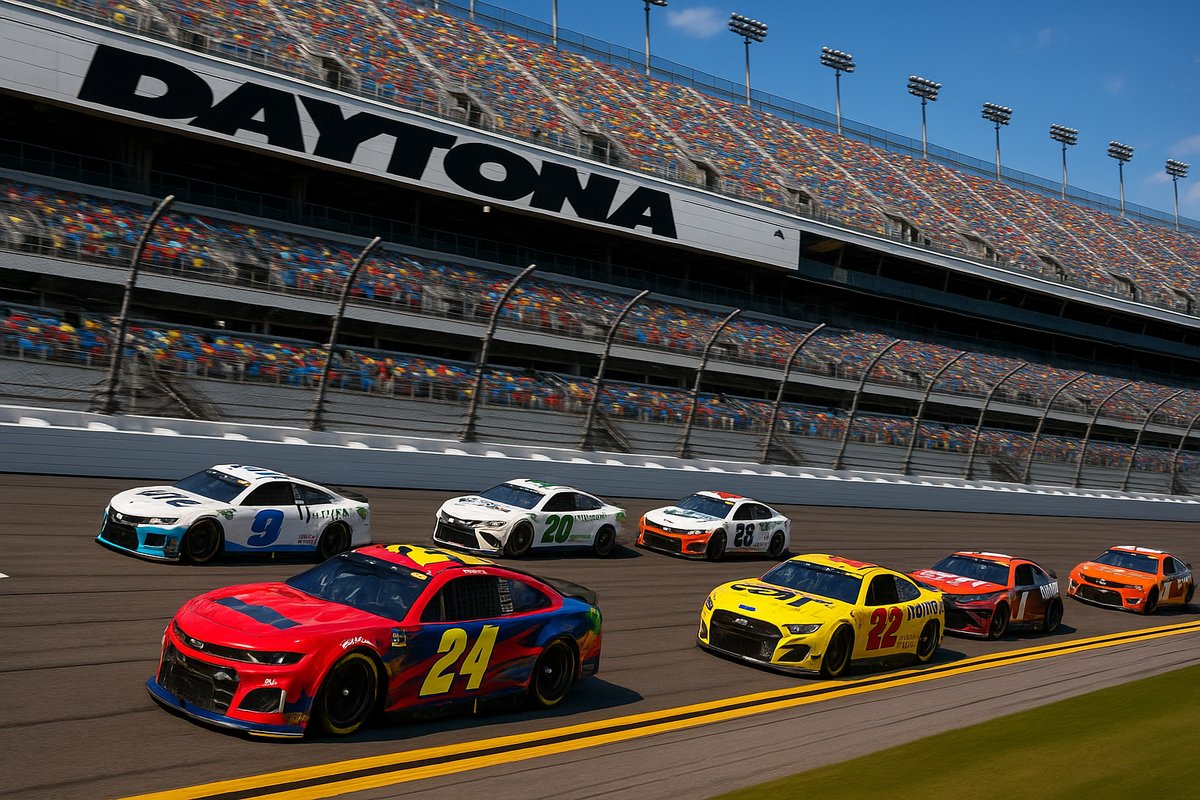
Growing up in Charlotte, NASCAR wasn’t a hobby—it was life, and Daytona International Speedway sits at the very heart of it all. That legendary 2.5-mile tri-oval has hosted the Daytona 500 since 1959, serving as the flagship track of the NASCAR Cup Series with its high-speed superspeedway action and a history full of last-lap heroics that still give folks chills.
My grandfather used to talk about watching this place come together after Bill France Sr. decided the old beach course just wasn’t safe enough anymore. The first Daytona 500 rolled off on February 22, 1959, with Lee Petty taking the win in a photo finish that set the tone for everything that followed. Over the years the track has seen Richard Petty rack up his record seven victories there and Dale Earnhardt finally grab that long-awaited 1998 triumph. Between 2019 and 2020 they tore into the layout again, adding fresh banking, safer walls, and keeping that classic feel we all love.
Before the pavement went down, stock car racing happened right on the sands of Daytona Beach. That move to the superspeedway brought bigger crowds and faster speeds, turning NASCAR into the national deal it is today. Pack racing and those dramatic finishes became the track’s calling card from the start.
Daytona measures exactly 2.5 miles, with 31 degrees of banking in the turns, 18 degrees on the tri-oval frontstretch, and just 2 degrees out back. That setup creates all kinds of aerodynamic headaches for the Cup Series boys. The 2020 work added a tunnel, better views, and a wider groove that rewards smart drafting and sharp pit strategy. It’s a lot like what we see at Talladega—pure superspeedway chess.
They run restrictor plates or tapered spacers to keep speeds right around 200 mph, which pushes drivers into that push-and-pull game of using cars ahead and behind for momentum. The tri-oval throws out wild racing lines that too often end in what everybody calls The Big One.
The Daytona 500 still kicks off the season every February as the big prize. Then you get the Duel at Daytona qualifying races and the Coke Zero Sugar 400 under the lights in August. Those nights draw huge TV crowds and show just how much this place tests both talent and teamwork.
Recent winners tell the story—Michael McDowell in 2021, Austin Cindric in 2022, and Ricky Stenhouse Jr. in 2023. Each one proves an underdog can win with the right allies and a little luck on cautions.
If you make the trip, you can walk the start-finish line, check out Victory Lane, and grab grandstand seats that give you a clear shot at the banking and that famous tri-oval. Speedweeks turns into a full week of practice, qualifying, and support races that pull the whole NASCAR family together. Camping spots and fan zones make it easy to bring the kids or just soak in the culture.
Tri-oval grandstand sections give you the best look at restarts and those wild finishes. When the Coke Zero Sugar 400 lights up at night, the glowing paint schemes flying by feel downright magical.
A few numbers worth knowing: track length stays at 2.5 miles, banking hits 31 degrees in the turns and 18 in the tri-oval. Lee Petty won that first one back in 1959. Richard Petty owns seven Daytona 500 wins and 37 total victories here across series. Seating holds about 101,500 after the rebuild. Bill Elliott set the fastest qualifying lap at 210.364 mph in 1987. The 2020 reconstruction ran over $150 million.
Understanding the racing dynamics at Daytona requires knowing how the aerodynamics work. The track’s unique configuration forces teams to think strategically about fuel, tire wear, and pit stops. Unlike short tracks where you can muscle your way to the front, Daytona rewards patience and positioning. Drivers spend most of the race reading the air, understanding how their car sits in the draft, and knowing exactly when to make a move. A mistake in judgment—pushing too hard or backing off at the wrong moment—can end an entire season’s worth of hopes in one wreck.
The superspeedway package used at Daytona has evolved significantly over the years. Modern restrictions keep cars bunched together in tight packs, which creates both incredible passing opportunities and genuine danger. Teams have learned to work together through pit strategies, with crew chiefs calling the shots on when to pit, how many tires to change, and whether to fuel mileage. The guys over the wall matter just as much as the driver in those final laps, and a lightning-quick pit stop can be the difference between winning and finishing tenth.
Weather plays a bigger role at Daytona than at almost any other track. Wind direction and speed affect how the air flows around the banking, which changes how cars handle throughout the day. Early morning sessions feel completely different from afternoon ones, and practice times don’t always translate to race day performance. Rain has also played a significant role in recent Daytona races, sometimes shortening events or pushing them to the next day. In 2020, the Coke Zero Sugar 400 ran in wet conditions, creating an entirely different race than anyone expected.
The 2020 reconstruction wasn’t just about cosmetics—it fundamentally changed how racing plays out. They widened the racing surface in several sections, built safer SAFER barriers, and improved fan amenities dramatically. The new infield tunnel provides better pedestrian flow and creates a modern feel while respecting the track’s legendary status. They also reconfigured some of the seating and added club areas, making the experience better for families and groups who want more comfort during a full day of racing.
Speedweeks itself deserves special attention because it’s become its own celebration of NASCAR culture. The week leading up to the Daytona 500 includes multiple races across different series—Truck Series, Craftsman Series, and support races. Young drivers see Daytona as a proving ground, and the attention around the track during that week builds momentum through the entire racing community. Hotels book months in advance, campgrounds fill up, and the whole region buzzes with racing energy.
For fans planning a visit, understanding the seating options makes a difference. The tri-oval provides the most action from your seat, with clear views of restarts and the most dramatic moments. The backstretch gives you a different perspective on how drivers navigate that flat section, while the front stretch puts you near Victory Lane where the celebration happens. Many regular fans return to the same seat year after year, becoming part of the track’s community.
The rivalry and drama at Daytona extend beyond the race itself. Teams develop legendary feuds, drivers make bold moves they might regret, and broadcast moments become part of NASCAR lore. The image of Dale Earnhardt finally winning the 500 in 1998 after years of heartbreak still gives longtime fans goosebumps. Austin Cindric’s surprise 2022 victory proved that patience and timing matter as much as outright speed.
Daytona keeps beating like the heart of Cup Series racing. Its mix of history, speed, and pure drama means every visit or broadcast delivers moments you won’t forget. Whether it’s your first trip south or you’re just studying old results for the fantasy leagues, this place still defines what stock car racing is all about—from the Daytona 500 all the way through those summer night shows. The track’s future looks bright with continued improvements and investment, ensuring that generations to come will experience the same magic that makes Daytona special.