
Guide to Attending NASCAR Road Course Events
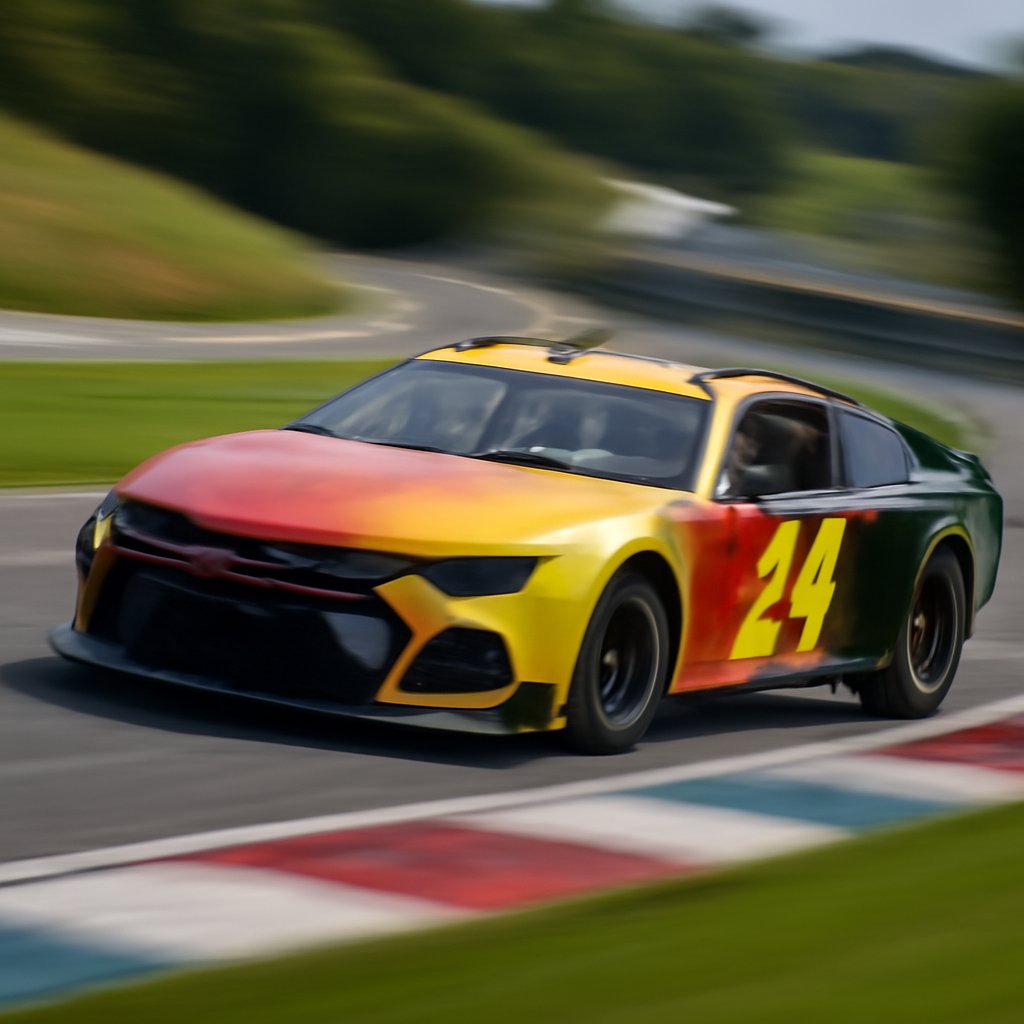
Attending NASCAR road course events gives the Cup Series a distinctive edge on the annual calendar, blending technical track demands with prime opportunities for teams to showcase sponsor partnerships in ways that oval venues rarely match. From the pit lane perspective, these races at stops like Watkins Glen, Sonoma Raceway, and Circuit of the Americas force crews to balance aggressive strategy with the need to keep primary and associate sponsors front and center through varied camera angles and fan sightlines.
What teams don’t tell fans is that road course weekends often serve as key activation periods for sponsors seeking more dynamic exposure than the high-speed oval grind allows, turning corners and elevation changes into rolling billboards for branding.
Planning begins well ahead for these events because premium grandstand access and hospitality packages tied to major backers tend to move quickly. Travel and lodging decisions should factor in the full three-day slate that includes Xfinity and Truck Series support, which extends the commercial footprint and local spending impact. Weather contingencies matter here too, since multi-day outdoor formats can shift concession revenue and on-site sponsor village traffic if conditions turn.
Transportation choices also carry business implications. Shuttle options from surrounding areas help manage crowd flow while giving teams and partners smoother access to restricted zones. For out-of-town visitors targeting Circuit of the Americas, coordinating flights and rentals supports extended stays that often include sponsor-hosted experiences. Group hospitality packages frequently bundle premium viewing with catered amenities, creating networking environments where driver performance data and season-long partnerships get discussed away from the grandstands.
Essential on-site considerations revolve around maximizing both engagement and comfort while recognizing how these layouts reward certain driver skill sets. A track map helps identify high-traffic passing zones that frequently become focal points for sponsor signage. Binoculars aid in following pit strategy and radio chatter that sometimes reveals real-time adjustments made under pressure from contending teams. Ear protection remains standard, and the fan zones offer structured meet-and-greets that let sponsors connect directly with attendees.
Concessions reflect regional sponsor influences, from wine-country pairings near Sonoma to heartier Midwest fare elsewhere, while reusable bottles keep hydration costs manageable. Midway retail supports team merchandise lines that often highlight road-course specialists, reinforcing brand loyalty across the season.
Understanding the unique characteristics of each road course venue enhances the fan experience significantly. Watkins Glen International, nestled in upstate New York’s Finger Lakes region, presents a 2.45-mile layout featuring 11 turns and a dramatic elevation change that demands precision braking and smooth steering inputs. The venue’s historic roots trace back to 1948 when drivers raced on public roads, lending it an authenticity that resonates with racing purists. Sonoma Raceway’s 1.99-mile configuration includes the challenging Carousel corner, where drivers often experience multiple overtaking opportunities throughout the race distance. Circuit of the Americas in Austin brings an international racing pedigree with its 3.41-mile track that mimics elements of famous European circuits, offering fans a glimpse into Formula One-style road racing translated to the NASCAR environment.
Road course racing demands different driver skill sets than traditional oval racing. Smooth throttle application, trail-braking technique, and the ability to manage multiple apexes across a lap distinguish top road course performers from oval specialists. Chase Elliott’s seven road course victories didn’t come by accident—they reflect his background in various racing disciplines and his natural aptitude for the technical demands these tracks present. Fans attending these events gain appreciation for the granular differences in driving style when they observe qualifying sessions closely, noting how the quickest drivers attack brake zones with confidence while maintaining momentum through high-speed direction changes.
Weather considerations take on heightened importance at road course events. Unlike high-banked ovals where rain causes immediate postponements, road courses sometimes present racing opportunities in damp conditions because of improved grip distribution across varied surface angles. However, this unpredictability means attendees should pack versatile clothing layers, waterproof gear, and be prepared for rapidly changing conditions. Spring road course events like Sonoma frequently feature marine layer clouds that burn off by afternoon, while Watkins Glen’s late-summer timing brings afternoon thunderstorm risk. Checking detailed forecasts three to five days before traveling allows fans to adjust their packing and schedule accordingly.
Grandstand selection strategies matter more at road courses than ovals because sightlines vary dramatically depending on elevation and positioning relative to key corners. Premium seats near frequent passing zones—such as Turn 1 or the main chicane—command higher prices but deliver visible action throughout the race. Budget-conscious fans might find better value in elevated general admission areas that offer broader sight lines across multiple corners, allowing them to follow strategy unfolding across the entire track. Many experienced attendees arrive early on race day to scout viewing opportunities and identify less crowded sections that still maintain excellent sightlines.
The camping experience at road course events deserves particular attention because it fundamentally differs from oval track weekends. Road America’s 20,000+ overnight guests transform surrounding areas into vibrant communities where multi-generational families establish traditions spanning decades. Campgrounds often feature team hospitality areas, sponsor activations, and evening entertainment that extend the racing experience well beyond track hours. The festival-like atmosphere creates networking opportunities where casual fans share insights about technical aspects of road racing, driver performance trends, and season-long championship implications in ways that grandstand viewing rarely facilitates.
Parking logistics at road course venues require advance planning. Multi-day parking passes often sell out weeks before race weekends, particularly for premium locations offering easy walking access to grandstands. Remote parking with shuttle service costs less but extends arrival time, sometimes by 45 minutes to an hour depending on crowd volume. Fans should research specific venue parking maps and arrive at least 2-3 hours before scheduled events to secure optimal spots and navigate to their selected grandstands without rushing.
The technical aspects of road course racing deserve fan attention because they directly impact race strategy and outcomes. Tire wear patterns differ significantly from oval tracks, with road courses demanding consistent deceleration and acceleration cycles that challenge tire compounds differently. Teams make pit strategy decisions based on fuel mileage calculations that account for acceleration zones and braking segments, making road course races feel more like strategic chess matches than pure speed competitions. Observing pit strategy unfold—including tire compound choices and fuel window timing—becomes intellectually rewarding when fans understand the underlying technical constraints.
Support series racing at road course events often showcases tomorrow’s Cup Series stars developing their craft on technically demanding layouts. The Xfinity Series and Truck Series action frequently produces entertaining battles because younger drivers and less-established teams take calculated risks to gain competitive advantage. Three-day combined crowds exceeding 100,000 create energetic atmospheres where multiple racing series run throughout each day, maximizing entertainment value and supporting local economies through extended visitor stays.
Post-race activities at road course events frequently include driver meet-and-greet opportunities in designated fan zones, team merchandise offerings that highlight road-course-specific apparel, and sponsor village experiences that provide casual insights into team operations. These extended engagement opportunities distinguish road course weekends from traditional oval races, creating memorable experiences that strengthen fan loyalty and deepen appreciation for the motorsport itself.