
How to Plan a NASCAR Track Road Trip
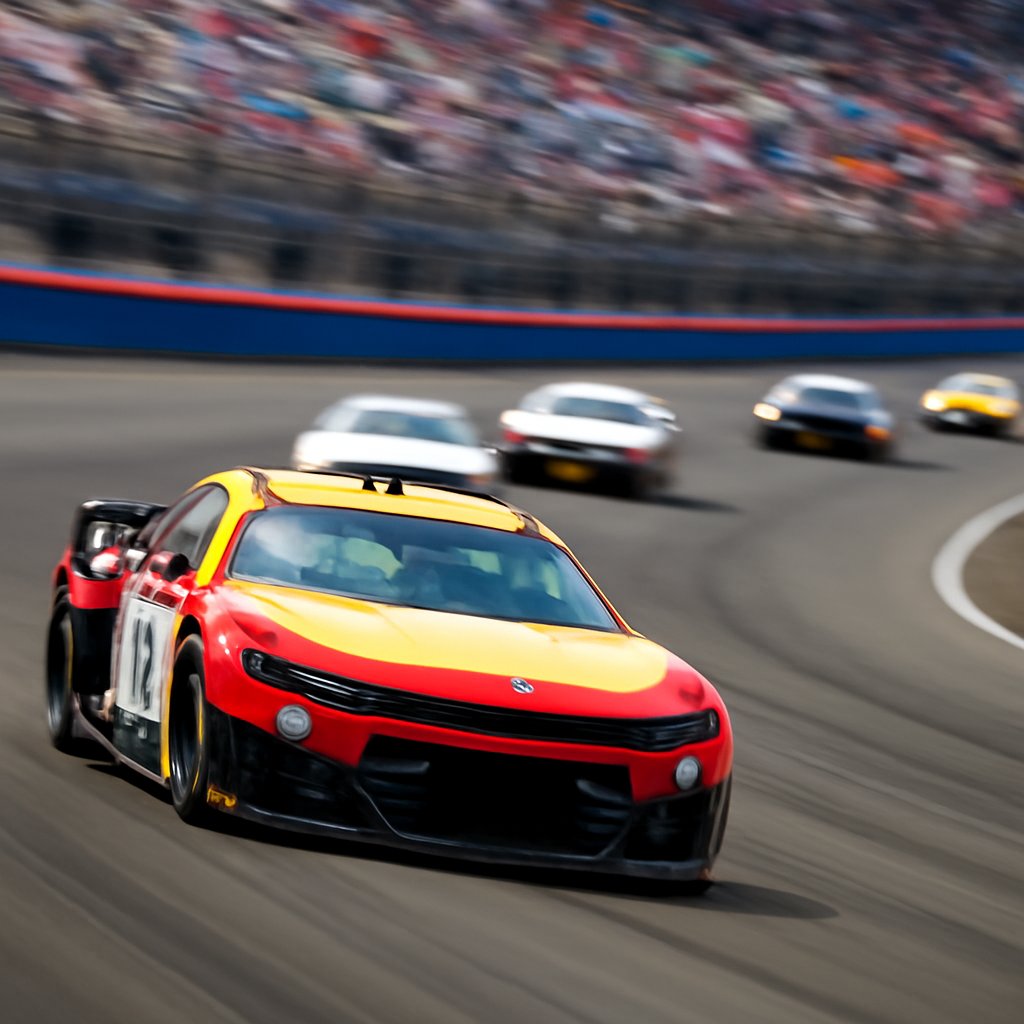
Growing up in Charlotte, NASCAR wasn’t a hobby — it was life, and nothing beats hitting the road to chase the Cup Series from one legendary track to the next. Whether you’re stacking dates around the Daytona 500 opener or saving the championship finale at Phoenix for last, a solid NASCAR track road trip mixes smart planning with those moments that stick with you long after the checkered flag waves. My grandfather watched this track get built back in the day, so when I talk about venues like Talladega Superspeedway or Charlotte Motor Speedway, I’m not just reciting facts — I’m carrying on what he passed down.
Picking the right tracks sets everything in motion. Pull up the official Cup Series schedule and line up your weekends with the big ones, like that high-speed showdown at Talladega Superspeedway where the crowds roar louder than the engines. Shorter tracks such as Bristol Motor Speedway pack drivers side-by-side in a way that shows real skill in tight quarters. Mix it up with superspeedways and road courses for variety — Daytona International Speedway makes a perfect starting point where you can tour the place and catch practice. Charlotte Motor Speedway sits right in the heart of it all, close enough to team shops for meet-and-greets, while heading west to spots like Auto Club Speedway or Las Vegas Motor Speedway stretches the journey across new scenery. Look into camping at each stop and think about weather, because southern stops like Atlanta can turn humid fast while places farther north bring their own surprises.
Consider timing your trip around marquee events that draw the biggest crowds and most electric atmospheres. The Daytona 500 in February kicks off the season with unmatched pageantry, but expect competition for tickets and accommodations months in advance. The All-Star Race at Charlotte in May showcases the sport’s top talent in a unique format, while the Southern 500 at Darlington carries decades of history and tradition. Fall races like the Bass Pro Shops NRA Night Race at Bristol draw passionate fans, and the Phoenix finale in November offers a chance to see the championship decided on track. Balancing these signature events with regular-season races lets you experience the full spectrum of NASCAR’s appeal without breaking the bank on premium tickets every weekend.
Once the tracks are set, map a route that cuts down on backtracking. Use a good map app to connect stops like the southeastern swing through Darlington, Charlotte, and Martinsville, and leave extra days for the traffic that always piles up on race weekends. Work in time to visit the NASCAR Hall of Fame in Charlotte or check out the hauler displays at the tracks, and catch practice and qualifying to stretch your ticket dollars. If you’re rolling with a crew, split up duties like navigation so nobody gets worn out. Planning your route also means understanding which tracks have stronger camping cultures and which require hotel bookings — some venues like Kentucky Speedway have become camping destinations where fans bring RVs a full week early to settle in.
Think strategically about regional clusters too. A southeastern loop hitting Charlotte, Darlington, and Martinsville across three consecutive weeks makes logistical sense and keeps fuel costs manageable. The western swing through Las Vegas, Auto Club in California, and Phoenix spans further but connects major markets with distinct fan cultures. The midwest run through Chicago and Kansas offers a different racing experience with flatter terrain and diverse crowds. Building your trip around these natural geographical groupings minimizes highway fatigue and lets you develop a deeper feel for each region’s racing community rather than bouncing randomly across the country.
Book your lodging early because hotels near the tracks book solid during race weeks — everything from simple motels to RV spots at places like Kentucky Speedway. Many fans book their accommodations 6 to 9 months ahead, especially for flagship events. Consider staying 20-30 minutes away from the track if nearby options are sold out or overpriced; you’ll still catch all the action and often find better rates. Some dedicated fans invest in season campgrounds near major tracks, returning year after year to build community with fellow enthusiasts. Vacation rental platforms have also become popular for race weekends, offering more space and amenities than traditional hotels, especially if you’re traveling as a group. Book directly with track camping when available, as official campgrounds often provide exclusive perks like early entry to fan zones or complimentary shuttle service.
Pack layers for long days outside, something to cut the engine noise, and chargers so you can follow live updates. Bring comfortable shoes rated for standing and walking on concrete all day — your feet will thank you. Quality earplugs aren’t just comfort items; they protect your hearing during those 120+ decibel moments when the field thunders past. A good cooler with ice, reusable water bottles, and snacks cuts into concession costs dramatically while keeping your crew energized. Sunscreen with high SPF is essential since you’ll spend hours exposed in southern sunshine, and a portable phone charger ensures you capture photos and stay connected with your group.
Set a budget that covers fuel, tickets, food, and souvenirs, knowing a multi-track trip often runs $1,500 to $4,000 per person depending on how fancy you get. Track your miles with an efficient ride and use apps to find the cheapest gas along the interstates. Single-day general admission tickets typically range from $50 to $200, while premium seating jumps significantly higher. Food at the track runs premium — budget $15-25 per meal per person. Remember that souvenir spending adds up quickly; a $20 driver t-shirt here, a $15 hat there, and suddenly you’ve dropped hundreds. Setting a souvenir budget before the trip prevents overspending while still capturing memories of each venue.
The Cup Series runs 36 races across 23 tracks every year, with superspeedways making up over 30 percent of them. This schedule gives fans flexibility in choosing their trip length and intensity. Major venues like Daytona pull more than 80,000 fans a weekend on average, while smaller tracks like Martinsville hold around 30,000, creating different crowd experiences. Drivers like Kyle Larson and Denny Hamlin keep stacking road-course wins lately, making those races increasingly competitive and entertaining. A five-track road trip can top 1,200 miles, and camping at Talladega has jumped 25 percent in popularity since 2018, reflecting growing interest in the full race weekend experience. Concessions still move millions with hot dogs and beer leading the way at most events, but many tracks now offer expanded food options including regional specialties and healthier choices.
Arrive early on race day if possible — parking lots open hours before gates, and getting settled before the rush saves stress and guarantees good spots. Check each track’s parking policies ahead of time, as some charge extra for premium lots while others include parking with ticket purchases. Scout the infield and grandstand areas once you’re inside to familiarize yourself with bathrooms, concessions, and emergency exits. This legwork prevents frantic searching between races and helps you maximize your time enjoying the atmosphere.
Lock in parking passes ahead and know the entry rules. At the track, wander the fan zones, grab autographs, and taste the local food. Stay safe with water and sunscreen, switch drivers every couple hours on longer hauls, and if you’re thinking green, offset your emissions and bring reusables. A well-planned NASCAR track road trip turns every mile into memories of roaring engines and that checkered-flag thrill. Start charting your route and join the rest of us who live for these journeys.